Worksheets
Vocab BM Review
Total questions: 47
Worksheet time: 2hrs 8mins
Identify the Push Factor
better healthcare
poor education
lower crime rate
improved sanitation
Identify the Pull factor
Better Healthcare
Poor education
High crime rate
Poor Sanitation
"Push factors are those which attract a person to a particular country or place".
True
False
"Pull factors are those which attract a person to a particular country or place".
True
False
"Forced migration often involves people fleeing war or life threatening circumstances".
True
False
"Voluntary migration involves the element of choice".
True
False
The Midwest, Northeast, Southwest & Northern New Jersey are examples of which type of Regions?
Human Regions
Functional Regions
Perceptual Regions
Physical Regions
The Northeast experiences the fours seasons: Spring, Summer, Winter and Fall.
This statement best describes the Northeast as which kind of Region?
Physical Region
Human Region
Europe can be considered as an entire World Region. Many different languages are spoken in Europe.
This statement best desribes Europe in terms of a:
Human Region
Physical Region
Times square is a considered a landmark and central meeting place in NYC.
Time Square can be considered a:
Functional Region
Perceptual Region
Regions are defined by areas or divisons that are a part of a country or the world.
Regionalization is defined by the characteristics of a place.
True
False
A region that has a center or "node" and the points connected to the node.
Formal
Functional
Vernacular
A region that is defined by what people think about the place.
Formal
Functional
Vernacular
Spatial location is describing anything that takes up space. True or False?
true
false

The following image is an example of :
Geology
Biology
Topography

The division of the U.S. into nine regions by the Census Bureau is an example of a:
climate
formal
functional

Is this a choropleth map or a proportional symbol map?
Choropleth
Proportional Symbol

Is this a choropleth map or a proportional symbol map?
Choropleth
Proportional Symbol


Cultural diffusion is best described as...
sharing music from one culture to another
the spreading of ideas, languages, and traditions fromone culture to another
the spreading of religion
Which of the following is NOT a part of culture?
History
Weather
Language
A pull factor is a reason why someone chooses a new location to migrate to. Which example is a pull factor?
Famine
War
Poverty
Job Opportunities

To move from a country. People who leave a country are called
Emigrant
Immigrant
Refugee
IDP

Found in or living in areas that are not close to cities?
Urbanization
Urban
Suburban
Rural

A city
Border
Rural
Suburban
Urban

A person who moves to a country
Emigrant
Refugee
Immigrant
IDP

Someone who seeks safety by going to another country
IDP
Refuge
Refugee
Migrant

Major cities and capital cities noted on map
Physical Map
Political Map

This type of map shows landforms and bodies of water.
Physical Map
Political Map

These maps may include tourist sites or stores.
Physical Map
Political Map
These maps may include tourist sites or stores.
Physical Map
Political Map

These maps may show plains, mountains, and deserts.
Physical Map
Political Map
You can use a scale on a map to:
Find out how much the map weighs
Determine the distance from one point to another
Understand the meaning of the map's symbols
Dance the night away
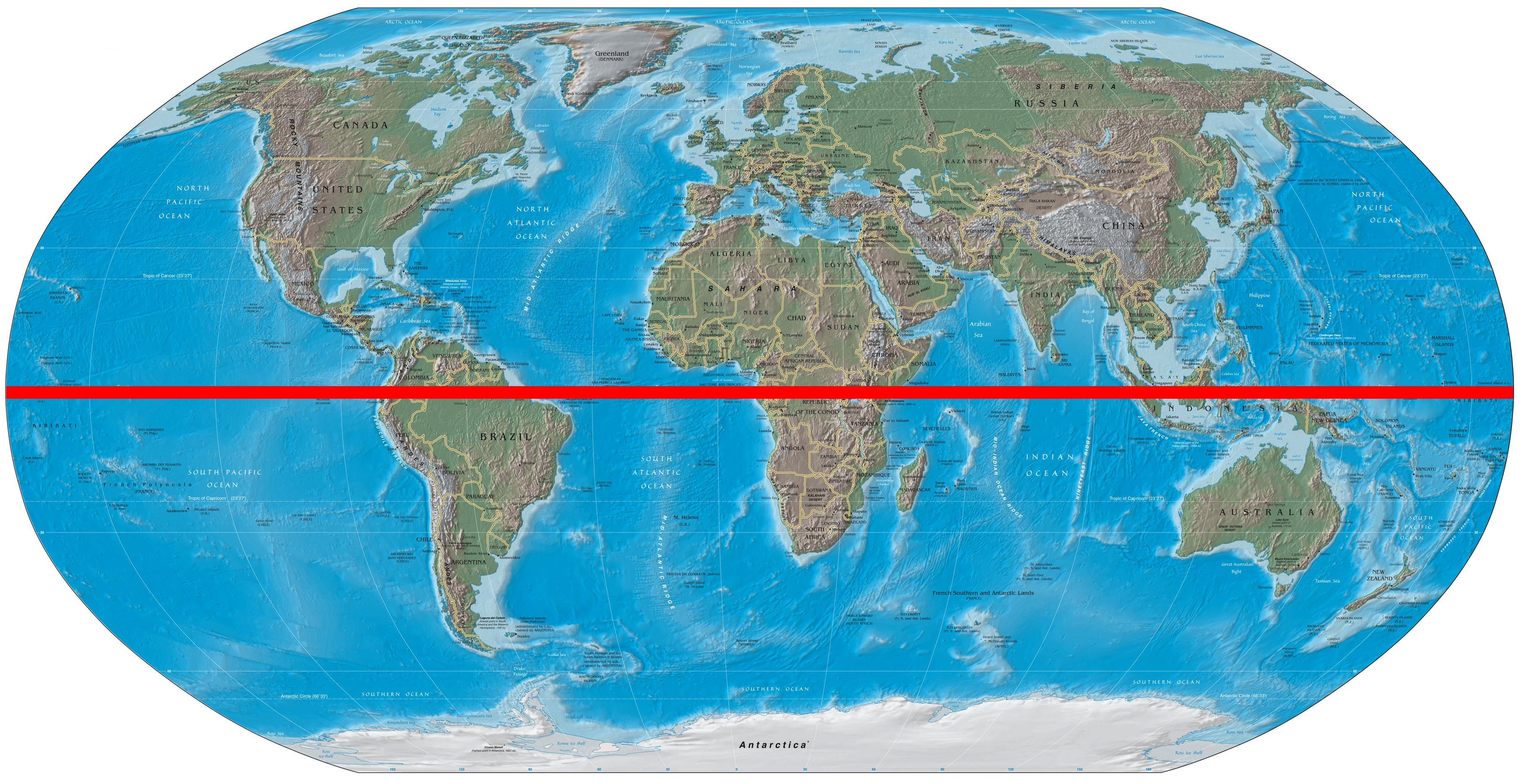
Lines that run north and south and measure distances in degrees from the Equator are called lines of ________________.
Longitude
Latitude
Meridian
Scale
Lines that run west and east and measure distances in degrees from the Prime Meridian are called lines of ________________.
Longitude
Latitude
Wrongitude
Attitude
An animal that is used by humans for food, companionship, or work is...
domesticated
tamed
wild
What is an example of specialization?
People having different jobs in a society
Everybody taking turns hunting
Developing new farming methods
Gathering berries as a family
The Neolithic Revolution is...
When humans began migrating around the world
When humans discovered fire
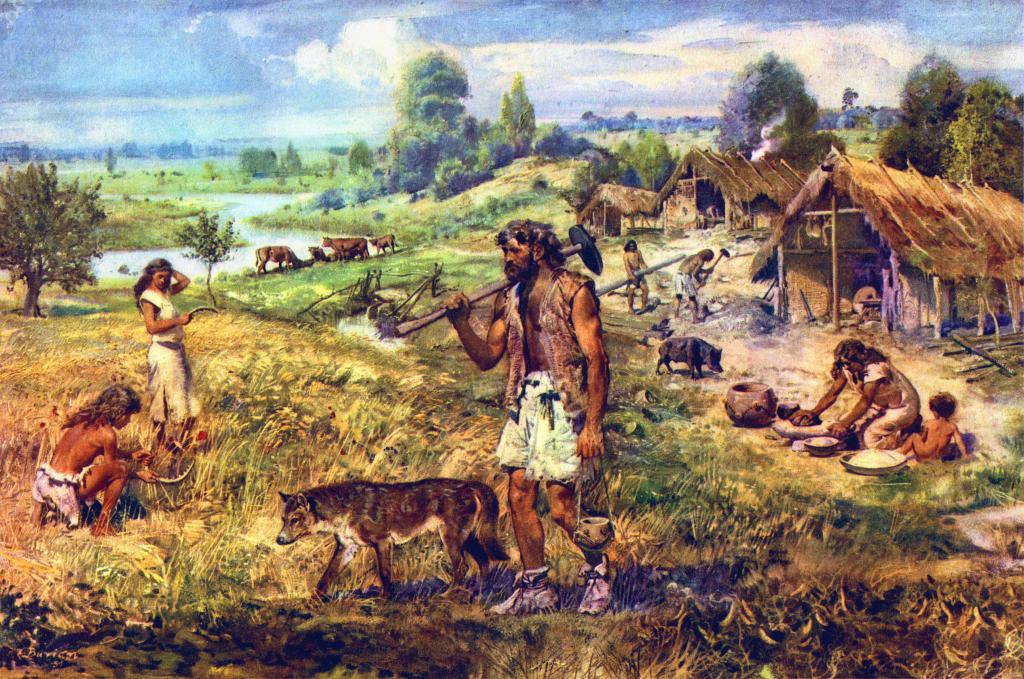
When domestication of plants & animals began