
 Worksheets
Safety First , Plants -The Producers &Adaptations in Plants
Total questions: 70
Worksheet time: 57mins
Accidents occur due to
carelessness
awareness
carefulness
none of these
What kind of clothes should not be worn in the kitchen?
Nylon
cotton
Jute
Linen
The immediate help given to an injured person is called
first aid
injury
second aid
third treatment
A paste of baking soda and cold cream is applied for
cut
insect bite
burn
fainting
Which of the following is not kept in the first aid box
cotton
Scissors
Gauze
Plier
Do not play with
Fire
Doll
Toy Car
friend
Do not crowd around a person who has
fainted
got first prize
both of these
none of these
Always walk on the
Road
Footpath
Zebra crossing
none of these
Do not play
On the Road
on the play ground
none of these
Do not touch the electric switch with
wet hands
dry hands
none of these

What it is ?
An antiseptic lotion
orange juice
injection liquid
none of these
The place on the road from where we should cross the road
footpath
zebra crossing
dust bin side
none of these
We should keep the bathroom floor dry
True
False
We should light the gas stove in the presence of an adult
True
False
We should not fight while playing
true
false
An unpleasant event that happens unexpectedly & causes injury is called
pleasure
accident
unpleasant
none of these
Do not take medicines without any adult's or doctor's advise
True
False
DO not run up or down the stairs , you may fall down
True
False
Traffic Red light says
GO
WAIT
STOP
None of these
Apply an antiseptic cream l like ______________ to on the burnt area
Burnol
baby soap
kerosene
none of these
What gas does a tree release?
carbon dioxide
air
oxygen
hydrogen
To make food the plant uses a process called
food maker
magic
photography
photosynthesis

What part of a plant is responsible for absorbing water, nutrients and anchors the plant to the ground?
leaves
stem
flower
roots

What do animals exhale that plants need for photosynthesis?
oxygen
water
carbon dioxide
helium
Producers get energy from the _______.
Eating Animals
Sun
Eating Plants
Eating their vegetables
Food factory of a plant is
stem
root
leaves
flower
Extra food is stored in plants in the form of
simple sugar
starch
Iodine
none of these
Green coloured substance present in leaves is
Stomata
veins
lamina
Chlorophyll
The broad flat part of a leaf is called
Leaf blade (Lamina)
side vein
main vein
none of these
Food factory of plant is
Leaf
flower
fruit
root
Transport food ,water and minerals to and from the leaf
Veins
roots
stem
none of these
Roots absorb water and minerals from the
air
soil
sun
none of these
The leaf helps the plants to
breathe and make food
Breathe and sleep
Cry and eat food
None of these
For photosynthesis the three things needed are
water , sunlight and carbon dioxide
Water , food & air
Water , sunlight & helium gas
none of these
Plants and animals are interdependent by exchange of
carbon dioxide & oxygen
water & oxygen
oxygen & air
none of these
To maintain a balance in nature we need to protect both plants and animals
True
False
Put a few drops of iodine solution on the potato slice . observe the change in colour. The colour of iodine changes from brown to blue -black. This shows that
Starch is present in potato
Starch is absent in potato
protein is present in potato
protein is absent in potato
1) Which plant needs to eat insects to survive?
Underwater plants
Desert plants
Carnivorous plants
All of these
2) Which of the following is an adaptation of desert plants?
The leaves are very soft.
The leaves are mouths and traps.
The stem is thick , fleshy and holds water.
The leaves have air space inside.
5) What is terres trial plant?
(a) plant grown on land
(b) plant grow in water
(c) both (a) and (b)
8) They shed their leaves in winter to protect themselves from cold weather.
(a) conifers
(b) deciduous
(c) evergreen
(d) none of these
5) What is terres trial plant?
(a) plant grown on land
(b) plant grow in water
(c) both (a) and (b)
8) They shed their leaves in winter to protect themselves from cold weather.
(a) conifers
(b) deciduous
(c) evergreen
(d) none of these
9) __________ tree never shed their leaves.
(a) conifers
(b) deciduous
(c) evergreen
(d) none of these
10 ) Which tree grows in marshy area?
(a) Mango
(b) Mangrove
(c) pine
(d) water lettuce

An adaptation that helps a cactus live in the desert is its
wide, flat leaves to catch water
bright green color
thin, spiny needles
tall stems
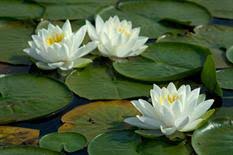
Water lilies live in lakes and ponds. It is an example of
Free floating plant
Fixed plant
Submerged plant
Which of the following adaptations best explains how pine trees are able to prevent water loss or damage from freezing temperatures?
Pine trees have thick bark
Pine cones produce seeds.
Pine tree roots go deep underground.
Pine needles are thin and have a wax coating.
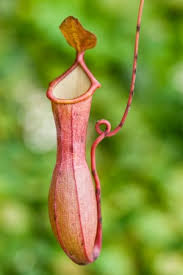
Identify the picture
sundew
Venus flytrap
pitcher plant
Why does the carnivorous plant eat bugs?
Soil in the swamps has few nutrients.
Soil in the pond has few fish.
Soil in the swimming pool has few plants.
One example of trees that bear cones with seeds
Rubber
Fir
Coffee
Leaves of underwater plants do not have stomata. One example of such a plant is....
Lotus
Hyacinth
Tape grass & Pondweed
Water lettuce
which of the following is not a terrestrial kind of habitat?
Forest
Grassland
Deserts
Marshes
Lake
The roots of desert plants are ____________
having breathing roots
short and thick
absent
long and run deep into the soil.
The low-lying areas near water bodies which remain water logged at all times are called __________.
deserts
marshes
grasslands
grounds
Plants that grow on land are called
aquatic
terrestrial
landed plants
deserted plants
Trees that bear cones with seeds(2 plants)
Mango
Fir
neem
Pine
1) Plants grown in water, are called _________ plants.
(a) wet
(b) aquatic
(c) grass
(d) None of these
2) Water hyacinth is a __________ plant.
(a) floating
(b) fixed
(c) underwater
(d) none of these
3) Water lily is a ________ plant.
Floating
Fixed
Underwater
None of these
Tape grass in ________ plant. (a) floating (b) fixed (c) underwater (d) none of these
Floating
Fixed
Underwater
None
Pitcher plant and venus flytrap are insectivorous plant which catch __________.
water
air
raindrops
insects
Plants catch insect to get _________.
water
nutrients
fun
protection
Cactus plant makes food (photosynthesis) in the______.
leaves
stem
roots
flower
cactii have __________ to avoid loss of water.
thick stem
spines
thin roots
none

The plants shown in the picture have (a) roots.

