Wayground logo

Free Printable Worksheets

Font size

S
M
L
XL
Worksheets

Biology Final exam Review

Total questions: 35

Worksheet time: 26mins

Name
Class
Date
1.
T - tall and t = short
In the punnett square below, what belongs in the missing square
a)
tt
b)
Tt
c)
Bb
d)
TT
2.
B = brown fur  b = white fur
In the punnett square, what is the probability for white fur? 
a)
0%
b)
25%
c)
50%
d)
75%
3.
In pea plants, the tall allele is dominant to the short allele. What key would demonstrate this?
a)
Tall = T
Short = S
b)
Tall = T
Short = t
c)
Tall = t
Short = T
d)
Tall = TT
Short = tt
4.

DNA molecule segment is : TTACGCAAG

The mutated DNA segment is TTACGCAAC. This is an example of ___ mutation.

a)

Substitution

b)

Insertion

c)

Inversion

d)

Translocation

5.

ATT-TGA-GCC- Original

ATT-GAG-CC - Mutated

The example above is an example of a

a)

Insertion- Frameshift

b)

Deletion- Substitution

c)

Deletion -Frameshift

d)

All of the above

6.

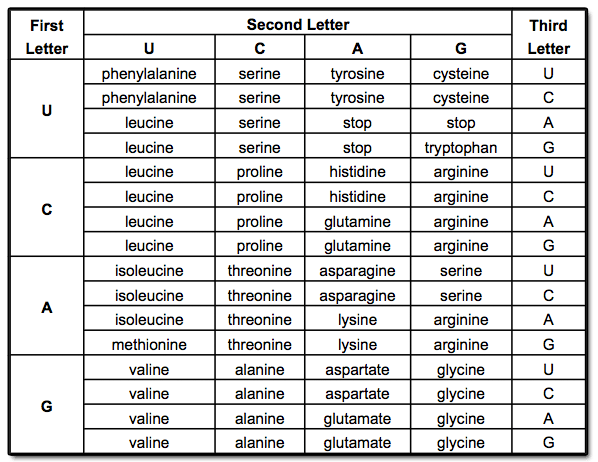
Arginine

a)

AAG

b)

AGG

c)

ACU

d)

CUG

e)

UAG

7.

What is the amino acid sequence for the following mRNA strand:


CCA-GAG-UUU-UAG

(a)  

8.

What is the amino acid sequence for the following mRNA strand:


AUG-GAC-ACU-UAG

(a)  
9.
What is the correct amino acid sequence for the mRNA code AUGCCAGUAUGA
a)
Met-Pro-Ala-Val
b)
Met-Pro-Val
c)
Tyr-Gly-His
d)
Tyr-Gly-Arg-His
10.
Identify the Cell Cycle Stage.
a)
Anaphase
b)
Cytokinesis
c)
Telophase
d)
Metaphase
11.
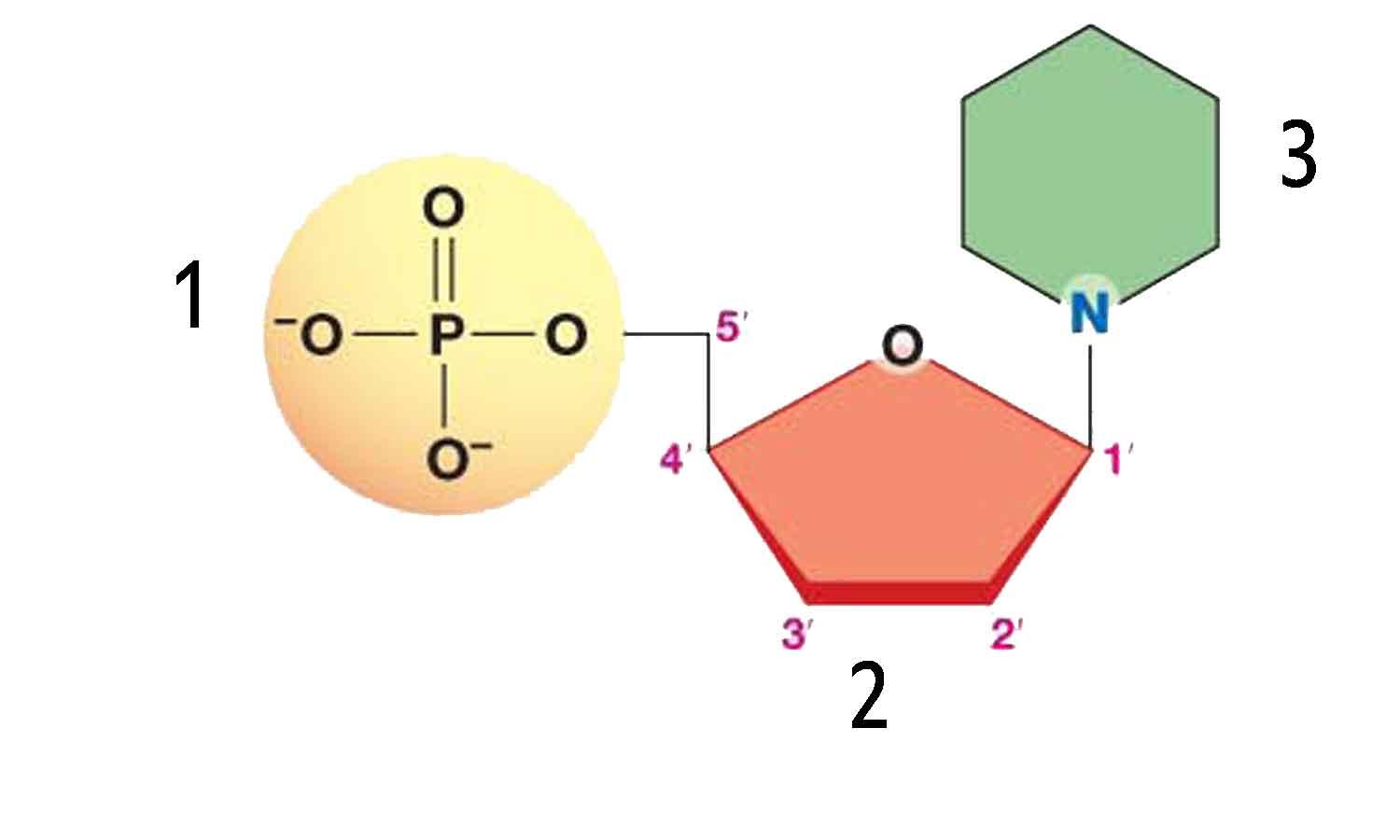
Identify the parts of the nucleotide shown:
a)
1) Ribose Sugar      2) Phosphate 
3)  Nitrogen Base
b)
1) Deoxyribose Sugar
2) Phosphate
3) Nitrogen Base
c)
1) Phosphate
2) Ribose Sugar
3) Nitrogen Base
d)
1)  Phosphate
2) Deoxyribose Sugar
3)  Nitrogen Base
12.

What part of the cell cycle is considered interphase? Select all that apply.

a)

G1

b)

G2

c)

S

d)

M

13.

Cells replicate DNA.

a)

G1

b)

S

c)

G2

d)

M phase

14.

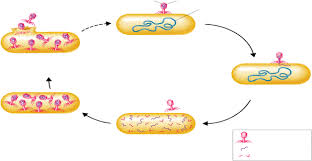
Which viral cycle takes the longest to show symptoms?

a)

Lysogenic

b)

Lytic

15.
What is shown here?
a)
Lysogenic Cycle
b)
Lytic Cycle
c)
Binary Fission
d)
Conjugation
16.
What process is this?
a)
phagocytosis
b)
lytic cycle
c)
lysogenic cycle
d)
formation of antibodies
17.

Viruses are considered

a)

living things

b)

non-living things

c)

partially living things

18.
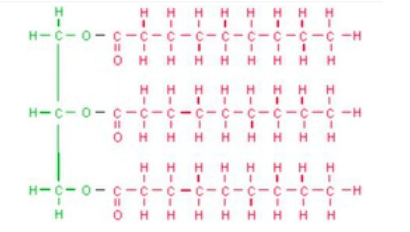
Which biomolecule is this a picture of?
a)
Protein
b)
Nucleic Acid
c)
Lipid
d)
Carbohydrate
19.
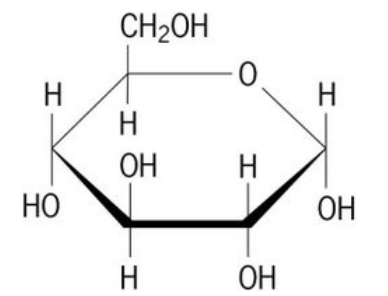
Which biomolecule is this a picture of?
a)
Protein
b)
Nucleic Acid
c)
Lipid
d)
Carbohydrate
20.
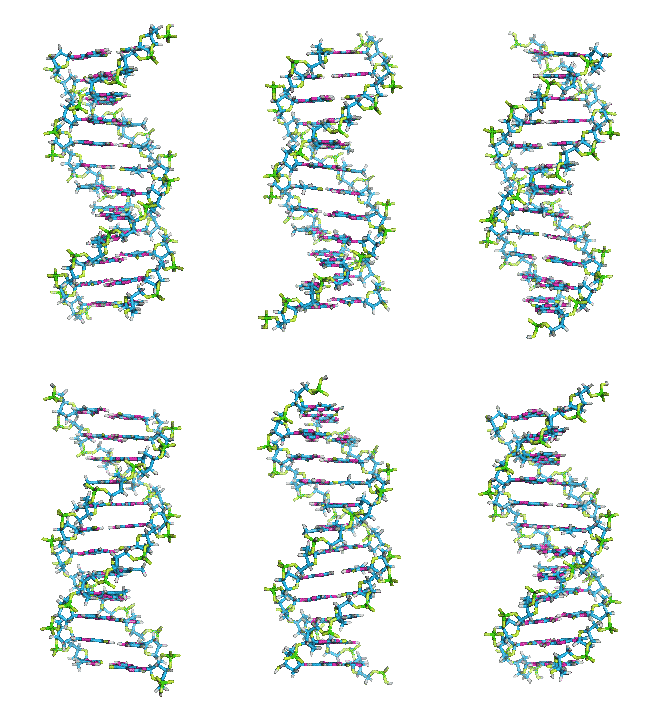
Which biomolecule is made of nucleotides and include your DNA? (Hint: they carry genetic information)
a)
Carbohydrate
b)
Lipids
c)
Protein
d)
Nucleic Acid
21.

Identify the structure that is indicated by the arrow in the image.

a)

cell wall

b)

central vacuole

c)

chloroplast

d)

nucleus

22.

Outer layer of a Prokaryote

a)

capsule

b)

cell membrane

c)

cell wall

23.

What are the two types of cells?

a)

Prokaryotic & Eukaryotic

b)

Bacteria & Eukaryotic

c)

Eukaryotic

d)

Animal & Plant

24.

This cell is a(n)

a)

prokaryote

b)

eukaryote

25.

What are the two types of cell transport?

a)

Passive and Active

b)

Active and Facilitated

c)

Passive and Facilitated

d)

None of the above

26.
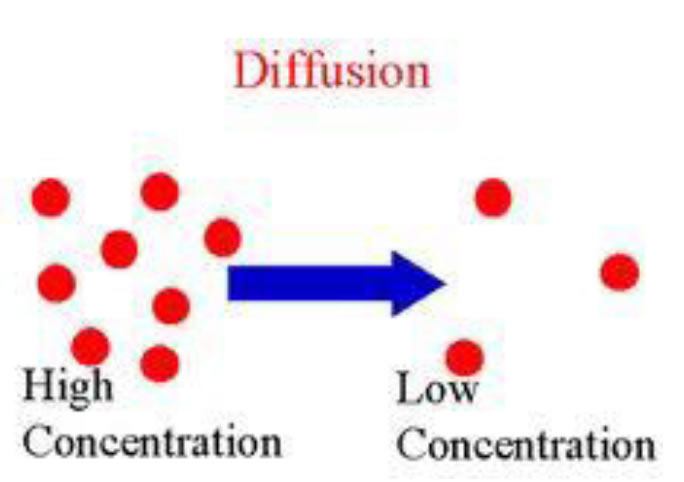
Movement of particles from high to low concentration. 
a)
Passive Transport
b)
Active Transport
27.
a)
Passive Transport
b)
Active Transport
28.

What goes in box 3

a)

Aabb

b)

AABB

c)

AAbb

d)

aaBb

29.
What goes in box 1
a)
AABb
b)
AABB
c)
aabb
d)
AaBb
30.

Whales have pelvic bones. What type of structure does this best represent?

a)

Homologous structure

b)

Analogous structure

c)

Vestigial structure

d)

None of the above

31.
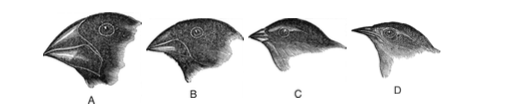
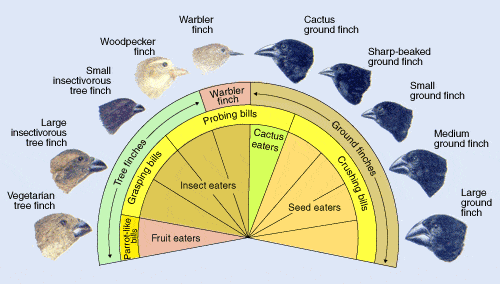
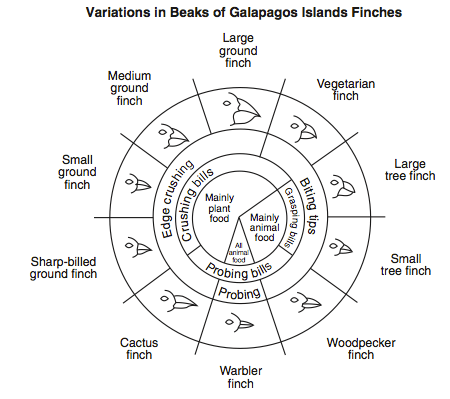
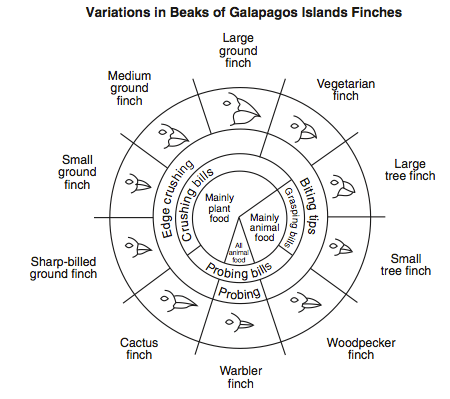
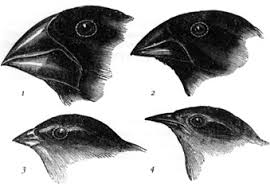
Base your answer(s) to question(s) on the diagram below and on your knowledge of biology. The diagram shows the heads of four different species of Galapagos Islands finches. 
The four different types of beaks shown are most likely the result of 
a)
gene manipulation 
b)
natural selection 
c)
unchanging environmental conditions 
d)
patterns of behavior learned from parents 
32.
Base your answer(s) to the following question(s) 8. on the diagram below and on your knowledge of
biology.
Several of the Galapagos Islands are inhabited by grasshoppers, beetles, flies, bees, and butterflies. Finches that feed on these consumers would have beaks adapted for 
a)
probing, only 
b)
probing or grasping 
c)
crushing or probing 
d)
parrotlike feeding or grasping 
33.
Which process produced the two different types of beaks in the ground finch and the tree finch?
a)
artificial selection
b)
geographical distribution
c)
natural selection
d)
disuse of the beak
34.
All of these finches have different shaped beaks, they are an adaptation to gain access of 
a)
Water
b)
Food
c)
Shelter
35.
Base your answer(s) to the following question(s) on the diagram below and on your knowledge of biology.
Which two finches would compete the least for food? 

a)
small ground finch and large ground finch 
b)
large ground finch and sharp-billed ground finch 
c)
small tree finch and medium ground finch 
d)
vegetarian finch and small ground finch