
Font size
 Worksheets
Solids, Liquids and Gases Unit
Total questions: 45
Worksheet time: 2hrs 24mins
What is Freezing?
Solid turning into a Liquid
Liquid turning into a Solid
Gas turning into a Liquid
Liquid turning into a Gas

Which of these will flow and fill up any shape of container?
solid
liquid
gas
cats

What is a solid?
particles that are tightly compacted
particles that are not tightly compacted

what is a liquid?
a substance that flows freely but is of constant volume
a substance or matter in a state in which it will expand freely
firm and stable in shape

what is a gas?
a substance or matter in a state in which it will expand freely to fill the whole of a container
the basic unit of a chemical element
an atom or molecule with a net electric charge due to the loss or gain of one or more electrons.
I am a state of matter: my molecules are very close together and hardly move. I am ____________.
Solid
Liquid
Gas
Oblek
I am a state of matter: my molecules are jumping all over the place. I must be a _________.
Solid
Liquid
Gas
Oblek
I am a state of matter: my molecules move past each other easily, but they are pretty close together.
I am a solid
I am a Liquid
I am a gas
A substance changing from a gas to a liquid is an example of...
vaporization
condensation
precipitation
melting
A substance that has a temperature below its melting point would be in . . .
a gaseous state of matter
a liquid state of matter
a solid state of matter
a plasma state of matter
When water molecules slow down and move closer together ...
the water separates into hydrogen and oxygen.
the water turns into liquid nitrogen.
the water turns into water vapor.
the water turns into ice.
The molecules of a substance slow down when . . .
energy is added.
energy is taken away.
The temperature at which a liquid turns into a solid is its . . .
melting point
boiling point
condensation point
freezing point

Examine the image. Which arrow shows the process of condensation?
arrow A
arrow B
arrow C
arrow D
none of the arrow choices

freezing
evaporation
condensation
melting

Examine the image and select the best choice.
Molecular energy was increased and the substance evaporated.
Molecular energy was lost and the substance froze.
Molecular energy was lost and the substance boiled.
Molecular energy was increased and the substance melted.
What causes can cause matter particles to speed up or slow down?
temperature & pressure
time & pressure
time & heat
In which 3 changes in states of matter do the particles slow down?
condensation
freezing
sublimation
melting
deposition
Which of the following phase changes occurs when matter changes from vapor to liquid?
deposition
condensation
sublimation
melting
Which of the following phase changes occurs when matter changes from a solid directly to vapor?
melting
freezing
condensation
sublimation
In which 3 changes in states of matter do the particles speed up?
melting
condensation
evaporation
freezing
sublimation
The gas around the glass of Dr. Pepper turning into liquid was an example of ________________.
sublimation
condensation
evaporation
melting
As solid (ice) turned into liquid (water) in my glass of Dr. Pepper this was an example of _____________.
freezing
condensation
melting
evaporation
Which phase change occurs when matter changes from a solid to a liquid?
freezing
sublimation
melting
evaporation
Which phase change occurs when matter changes from liquid to solid?
freezing
melting
condensation
evaporation
Which phase change occurs when a liquid turns into vapor?
sublimation
deposition
condensation
evaporation
Which phase change occurs when a solid changes directly into vapor?
condensation
evaporation
sublimation
deposition
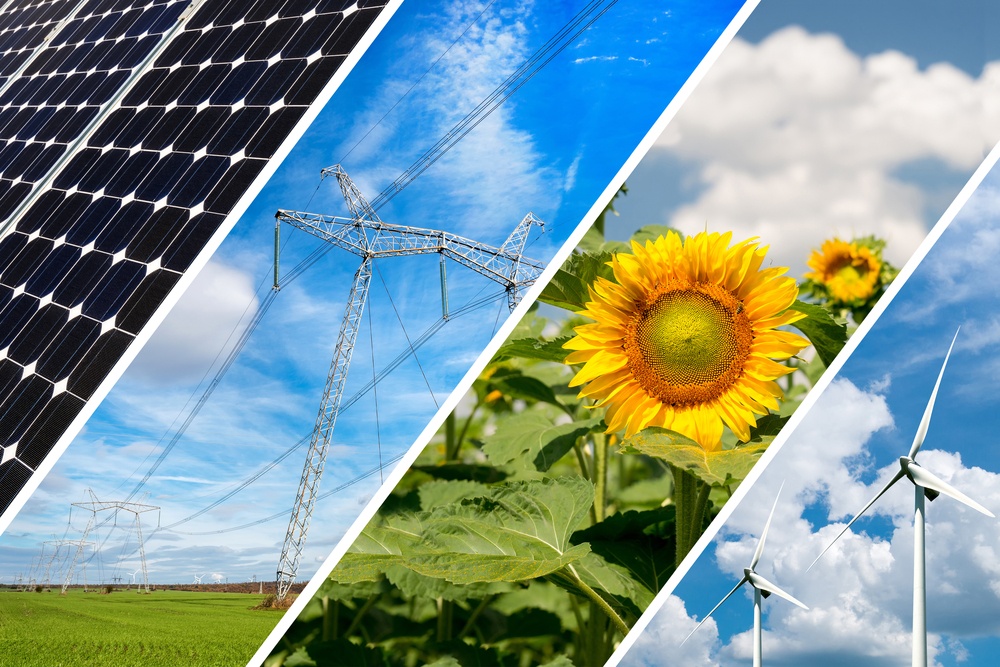
A natural resource is....
a resource that forms much more slowly than it is consumed
a natural resource that can be replaced at the same rate at which it is consumed
any natural material that is used by humans

a renewable resource is ....
a resource that forms much more slowly than it is consumed
a natural resource that can be replaced at the same rate at which it is consumed
any natural material that is used by humans
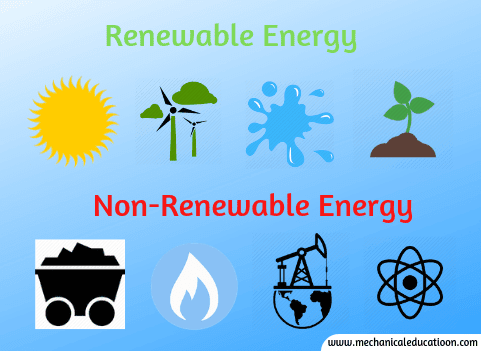
a nonrenewable resources is...
any natural material that is used by humans
a natural resource that can be replaced at the same rate at which it is consumed
a resource that forms much more slowly than it is consumed

Choose ALL the ways that using natural resources can be harmful...
mining and oil spills can damage ecosystems
they make our lives easier
burning coal or other fossil fuels can cause air and water pollution
used products can fill landfills or litter beaches and other natural areas
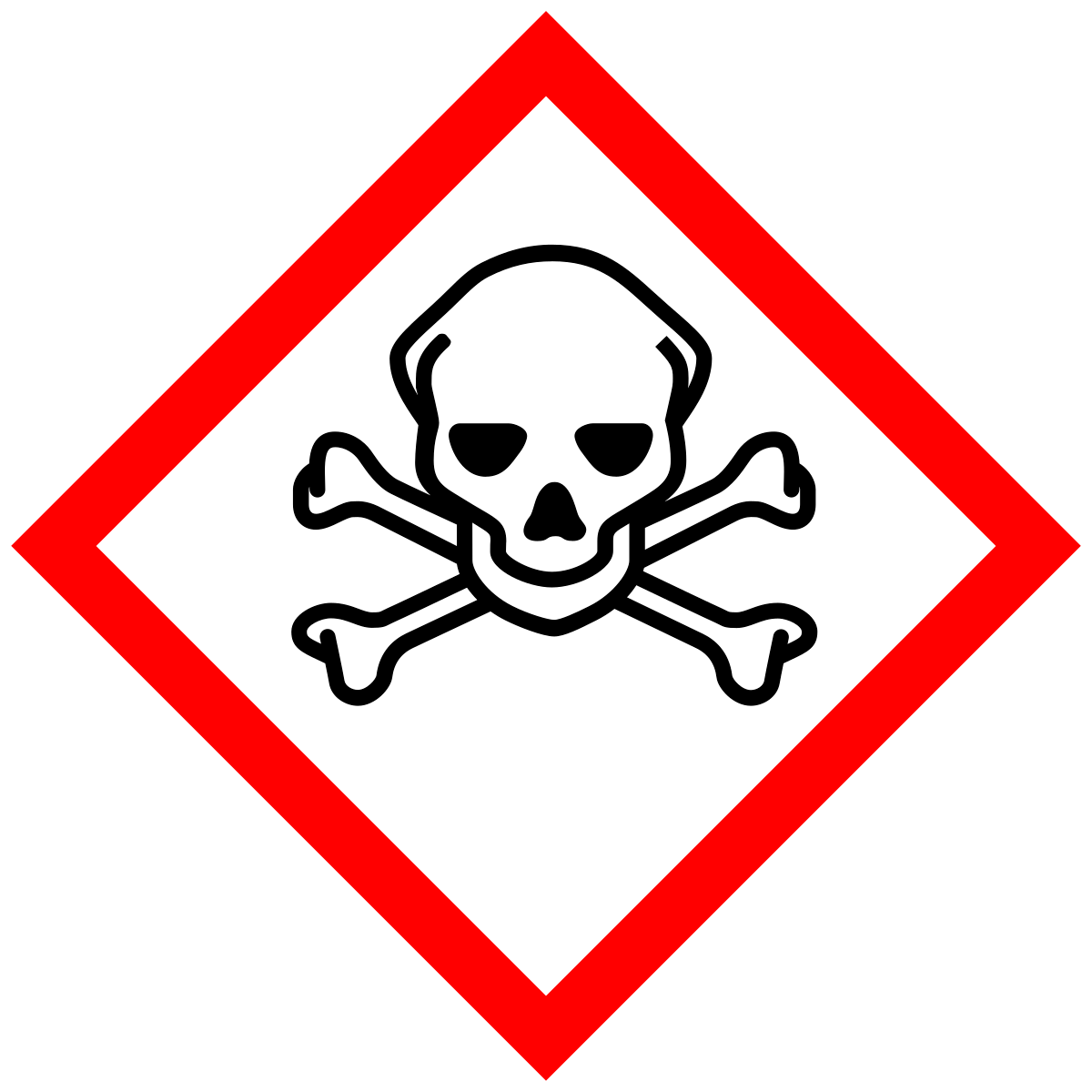
The above hazard symbol means ......
explosive
flammable
toxic or poisonous
corrosive
Corrosive substances such as bleaches and drain cleaners can cause ......
difficult of breathing
serious burns and eye damage
permanent amnesia
massive headache

Identify the hazardous symbol
explosive
flammable
oxidizing
corrosive
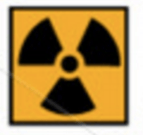
What safety symbol is this?
biohazard
radioactive
toxic
corrosive


