
 Worksheets
AHII Finals Review
Total questions: 82
Worksheet time: 3hrs 32mins

What was the purpose of the 13th, 14th, and 15th Amendments?
end property and religious qualifications for voting.
limit the number of terms of the president.
correct problems with the electoral college system.
provide legal and political rights for African Americans.
Why were African Americans still denied equal rights even after the 13th, 14th, & 15th amendments?
No trust in the government
the government took back the amendments
people didn't learn about their rights
the South made Black Codes/Jim Crow laws
What did Plessy v. Ferguson essentially do?
Outlaw racial segregation
Legalize racial segregation
Give African Americans property
Give African Americans crops
A name given to African Americans who migrated from states along the Mississippi River to Kansas in the late nineteenth century, as part of the Exodus of 1879. It was the first general migration of black people following the Civil War
Pull Factor
Push Factor
Exoduster
Americanization
Belief that it was the right (or God's will) for Americans to possess all land from the Atlantic to the Pacific Oceans
Migration
Manifest Destiny
Push Factor
Americanization
Signed into law by President Lincoln (1862) to encourage people to move west by giving them 160 acres of free land
Migration
Migration
Transcontinental Railroad
Homestead Act
A train route across the United States, finished in 1869. It was the project of two railroads companies: the Union Pacific built from the east, and the Central Pacific built from the west. The two lines met in Utah.
Assimilation
Transcontinental Railroad
Bimetallism
Push Factor

Why did conflicts with the Native Americans increase after the Civil War?
The U.S. government put bounties on Native Americans who were in the Civil War
Native Americans had declared war on the US government
They were being paid by the British to attack US cities
Many Americans and railroads went west into lands occupied by Native American tribes

What is the process in which a group makes changes or modifications to become part of the mainstream American culture?
The books A Century of Dishonor and Bury My Heart at Wounded Knee were attempts to inform the public about problems of
Asian Americans
Mexican Americans
Native Americans
Vietnam veterans
The Central Pacific and the Union Pacific companies hired workers from _________ and _________ to build their railroads.
Japan and Germany
China and Germany
China and Ireland
Ireland and Japan

The idea that immigrants are inferior to native born citizens.
Nativism
Naturalism
Federalism
Assimilation
How did railroad monopolies create economic difficulties for farmers
By claiming productive land for business leaders to develop
By separating farmers from profitable markets in Western cities
By charging high prices to ship agricultural goods to market
By isolating farmers from technological developments in eastern cities
What led to Farmers organizing the Grange movement and the Populist Party?
free market, higher incomes, equal rates of supply and demands
low demand, high supply, debt peonage, free market
monopoly, increased wealth and supply
monopoly of railroads, sharecropping, overproduction and declining prices
Captains of Industry valued competition in a free market because they believed only the strongest companies would survive and result in better goods and services. This is an example of
Unionism
Control Market
Socialism
Social Darwinism

Vertical integration, a business strategy used by steel mogul Andrew Carnegie, involves _______.
buying out raw material producers and distributors
merging with companies producing similar products
forming trusts
used new methods to increase production

Business owners generally paid low wages in factories because ______.
the government regulated wages
they wanted to maximize worker morale
keeping wages low meant lower production costs
labor unions were focused on worker safety rather than pay
An increase in political corruption, big business, immigration, and urbanization took place during the-
Progressive Era
Gilded Age
Roaring 20's
Great Depression
An organization of workers dedicated to protecting members' interests and improving wages, hours and working conditions for all.
Labor Union
Workers Rights
Worker Strikes
Collective Bargaining
What is a monopoly?
When all competition in an industry is eliminated leaving only one company in control
an economy in which there is equal control amongst companies
an economy in which there is equal control in a single industry
When all competition in an industry is open and free
what is a negative side effect of laissez faire capitalism
the formation of free markets
the formation of monopolies
the formation of government regulation
none of the above
Which best explains collective bargaining?
process in which working people come together in a union to negotiate contracts with their employers to determine their pay, benefits, hours, leave, job health and safety policies,
the process in which farms unite to change the prices of crops
similar to a strike in which workers refuse to work to get their demands met
none of the above

Many immigrants and poor families would be forced to live in dirty single room apartments called-
Poor houses
Brothels
Tenements
Debtor Jails

Why are political machines an example of corruption in the Gilded Age?
They made sure unions could not protect workers from management
They forced immigrants into the US from Latin America
They took control of city governments and stole millions of dollars from the cities
They prevented immigrants from being Americanized

The most famous political machine was Tammany Hall in New York lead by-
Bill the Butcher
Andrew Carnegie
William "Boss" Tweed
John D Rockefeller

An example of a patronage would be:
bribing a government official
assassinating a public official
saying one thing and doing another
appointing a friend to a political position


What was the name of the law, passed in 1883 during the Gilded Age, that sought to reform government? It required government applicants to take competitive exams so that they would be hired based upon merit rather than political affiliation. This law was passed in response to widespread political corruption and the assassination of President Garfield.
Sherman Antitrust Act
Pendelton Civil Service Act
Underwood Tariff Act
Celler-Kefaufer Act


All of these women were suffragettes fighting for the passage of the 19th amendement, EXCEPT:
Susan B. Anthony
Elizabeth Cady Stanton
Helen Hunt Jackson
Carrie Chapman Catt

Propaganda is defined as..
a form of persuasion that often uses rhetoric
the selling of an idea, belief, or product
the promotion of one group's particular ideas which may not present a fair and balanced picture
all of the above

Ok for Europeans to imperialize as long as they made a treaty
Needed to use force to protect interests in Western hemisphere
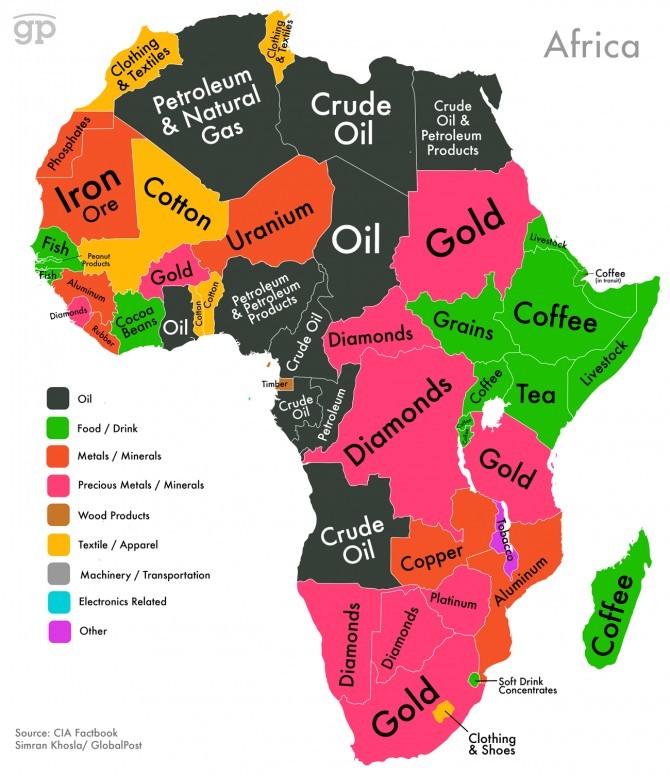
Why did pro-imperialism Americans want to expand our territories?
To spread freedom and democracy.
To spread Christianity.
To scare other nations into doing what we wanted.
To gain raw materials and a market for our products.

What territories did the US gain as a result of its victory over Spain in the Spanish-American War?
Philippines, Puerto Rico, Panama
Philippines, Puerto Rico, Guam, Cuba
Puerto Rico, Panama, Haiti

Yellow Journalists were:
writers who exposed period problems in hopes of achieving reform
writers who wrote in yellow to bring attention to Spanish abuses
newspaper reporters and illustrators who exaggerated stories in order to sell newspapers and fuel a war with Spain
writers who opposed American imperialism and aimed to keep America neutral
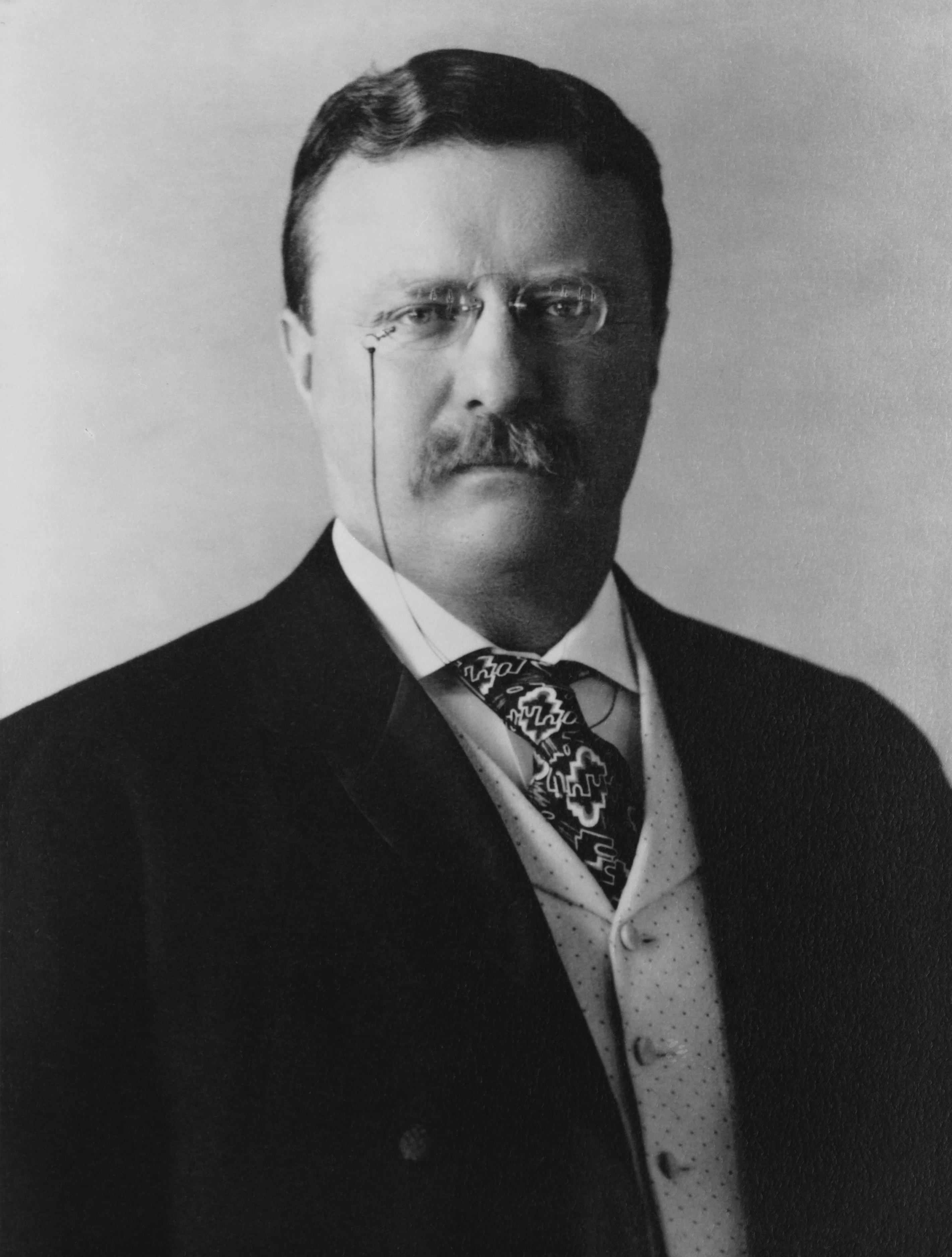

Which of the following is NOT a cause of the Great Depression?
Overproduction and underconsumption
High tariffs restricting trade
buying stocks on the margin
high income taxes
What was President Herbert Hoover's response to the Great Depression?
He believed "rugged individualism" would solve the economy
He created mass welfare
He increased infrastructure to create jobs
He violated his policy of laissez-faire
Which of the following was NOT a way the Hoover tried to fix the economy?
he founded government agencies
encouraged labor harmony
supported local aid
gave citizens money for aid
What New Deal program was an answer to demands for retirement?
National Labor Relations
Tennessee Valley Authority
Works {rogress Administration
Social Security
Which most accurately characterizes the policy followed by the United States in the years between World War I and World War II?
isolation from European military conflicts
containment of Coummunism
active membership in the League of Nations
military alliances with France and Great Britain

What did the Rosie cartoon encourage during WWII?
For women to work factory jobs to support the war effort (defnese industries)
That women are capable of some jobs but only if needed
That women can do some jobs during war
That women will only work if they get paid

What was the Manhattan Project?
A secret plan to corner Hitler
A secret plan to build atomic bombs
A plan to invade Europe through Normandy
the plan Hitler used to bomb London
What is one thing that changed for women and minorities during WWII?
They had to join the workforce because of shortage of men
They could vote
They could BOTH own credit cards
What helped send WWII Veterans to college when they returned from the war?
Truman Doctrine
Marshall Plan
Brown v. Board of Education
G.I. Bill of Rights
The Cold War refers to the period of tension between the United States and the Soviet Union from
the end of World War II to the fall of the Soviet Union.
the end of World War I to the bombing of Pearl Harbor.
the Cuban Missile Crisis to the fall of the Berlin Wall.
the Bolshevik Revolution to the end of World War I.

These were the opposing superpowers during the Cold War years
China and the Soviet Union
Cuba and the Soviet Union
USA and the Soviet Union
Iran and the Soviet Union

The purpose of "containment" was to--
stop the spread of democracy
stop the spread of hate
stop global warming
stop the spread of communism
U.S. intervention in Vietnam came as a result of the Cold War policy of
détente
appeasement
containment
brinkmanship
Which of these events was the closest the United States and the Soviet Union actually came to fighting each other during the Cold War?
Cuban Missile Crisis, 1962
Gulf of Tonkin, 1964
Bay of Pigs, 1961
Suez Crisis, 1956
What was the goal of the House Un-American Committee during The Red Scare?
Limiting governmental regulations
Rescinding democratic freedoms of citizens
Destroying careers of politicians
Exposing suspected communists in the government
Espionage and Sedition Acts (Schneck vs. the United States)
The US and Russia tried to surpass each other in what?
Space Race
Money spent
Nuclear Build up
Treaties
Colonies

Joseph McCarthy accused people of being what?
Communists
Democratic
Christians
Corrupt
The first satellite to orbit Earth. History changed on October 4, 1957, when the Soviet Union successfully launched this it marked the start of the space age.
Sputnik
Tutnik
Apollo
Cosmos

LBJ's domestic programs
put the US into bankruptcy
were the largest spending on social programs in US history
kept many Americans from dying
dropped the US from their status as the leading superpower
How did Americans feel about LBJ's Great Society?
People liked the help from LBJ
There was a backlash to the role of government in social welfare
People hated it so much they threw rocks at the White House
People felt it didn't do enough to help the social problems in our society
One accomplishment of the __________ was bringing about a federal ban on segregation in all interstate travel facilities.
Little Rock Nine
Freedom Riders
Black Panthers
Montgomery Bus Boycott
Which of the following is NOT true about the Watergate scandal?
Watergate resulted in the resignation of Nixon in 1974.
Watergate resulted in the impeachment of Nixon in 1974.
Watergate was a cover-up of a break-in to the Democratic National Committee Headquarters in 1972.
Watergate resulted in increased distrust of government and elected officials.
In United States v. Nixon, the Supreme Court's ruling made it clear that
Nixon used the new US closeness to China to negotiate the agreement with the Soviet Union.
the executive branch should not have more power than other branches of government
the creation of the EPA
The policy objectives of Reaganomics were based on the theory that
Borrowing from foreign countries would help cover the costs of domestic programs
Significant increases in government spending would help reduce unemployment
Broad tax cuts and financial deregulation would promote economic expansion
Reducing trade barriers would result in a budget surplus

Who was the president during 9/11
John F Kennedy
George W. Bush
George W.H. Bush
Donald Trump
Bush gave permission to famously invade which country?
Iran
Iraq
Brunei
North Korea
W. Bush created the Department of Homeland Security (DHS) to prevent future terrorist attacks on the US
TRUE
FALSE
This law was designed to make affordable health insurance available to more people. It provided consumers with subsidies that lower costs for households with incomes between 100% and 400% of the federal poverty level, and expanded the Medicaid program to cover all adults with income below 138% of the federal poverty level.
The Welfare Reform Act
The War Powers Act
The Affordable Care Act (Obamacare)
The Freedom of Information Act

