wayground logo

Free Printable Worksheets

Font size

S
M
L
XL
Worksheets

Plant Reproduction 2023

Total questions: 78

Worksheet time: 43mins

Name
Class
Date
1.
What is the female part of the flower used during reproduction?
a)
Pistil
b)
Petal
c)
Stigma
d)
Stamen
2.
What is the male part of the flower used during reproduction?
a)
Pistil
b)
Stigma
c)
Stamen
d)
Pollination
3.
Brightly colored parts of flowers that attract insects.
a)
petals
b)
pistils
c)
stamen
d)
filaments
4.
The stalk connecting the ovaries and stigmas.
a)
filament
b)
pistil
c)
style
d)
anther
5.
Small grains that contain a plant's male reproductive cells.
a)
stamen
b)
pollen
c)
anther
d)
stigma
6.
Which part may develop into a fruit?
a)
E
b)
D
c)
C
d)
A
7.
The male reproductive structure of a flower is the ___.
a)
pistil
b)
ovary
c)
stamen
d)
ovule
8.
The part of the stamen that produces pollen grains is the ___.
a)
anther
b)
pistil
c)
filament
d)
ovary
9.
The tip of the style that has sticky hairs to trap pollen is the ___.
a)
stamen
b)
stigma
c)
ovary
d)
style
10.
The part of the flower on which the pollen grains land.
a)
anther
b)
stamen
c)
style
d)
stigma
11.
The part of a flower that produces the male reproductive cells.
a)
anther
b)
style
c)
stigma
d)
filament
12.
Which part produces pollen?
a)
A
b)
B
c)
C
d)
E
13.
Pollination can occur between flowers of the same plant. 
a)
True 
b)
False 
14.
What is the function of nectar?
a)
To provide food for the flower
b)
To attract pollinators
c)
To attract animals to disperse the fruits
d)
To produce perfumes for Man
15.
Pollination is the process by which pollen
a)
causes people to sneeze
b)
is formed inside a plant
c)
moves from stamen to stigma
d)
moves from stigma to stamen
16.
The ovary, style, and the stigma make up the female part of a plant called the ?
a)
stamen
b)
petals
c)
stem
d)
carpel (pistil)
17.
Which of these includes a plant embryo (seed), a food supply, and a protective covering?
a)
flower
b)
fruit
c)
stem
d)
stamen
18.
The seeds of apple would probably be disbursed by?
a)
animals
b)
wind
c)
water
d)
fire
19.
Seeds can be disbursed by animals, water, and __________ ?
a)
wind
b)
earthquakes
c)
fire
d)
blizzards
20.
Pollen comes from the male or female parts of the flower?
a)
male
b)
female
21.
__________________  is a huge industry devoted to farming, ranching, food production, and many other vocations
a)
Engineering
b)
Agriculture
c)
Construction
22.
A coconut would probably be disbursed by ?
a)
animals
b)
wind
c)
water
d)
volcanos 
23.

Which group is by far the largest?

a)

conifers

b)

ferns

c)

flowering plants

d)

mosses

24.

Pollen grains are produced by ?

a)

the anther

b)

the stigma

c)

the flowers

d)

the leaves

25.

Which number or numbers identify the stamen?

a)

3,4

b)

5, 6, 7

c)

2

d)

8, 9

26.
The tip of the style that has sticky hairs to trap pollen is the ___.
a)
stamen
b)
stigma
c)
ovary
d)
style
27.
The part of the stamen that produces pollen grains is the ___.
a)
anther
b)
pistil
c)
filament
d)
ovary
28.
The male reproductive structure of a flower is the ___.
a)
pistil
b)
ovary
c)
stamen
d)
ovule
29.
All of the following are examples of seed dispersal except:
a)
wind
b)
volcanic eruptions
c)
physical movement (rolling)
d)
animals droppings
30.
The part of a flower that produces the male reproductive cells.
a)
anther
b)
style
c)
stigma
d)
filament
31.
What is the function of nectar?
a)
To provide food for the flower
b)
To attract pollinators
c)
To attract animals to disperse the fruits
d)
To produce perfumes for Man
32.
Pollination is the process by which pollen
a)
causes people to sneeze
b)
is formed inside a plant
c)
moves from stamen to stigma
d)
moves from stigma to stamen
33.
Brightly colored parts of flowers that attract insects.
a)
petals
b)
pistils
c)
stamen
d)
filaments
34.
Small grains that contain a plant's male reproductive cells.
a)
stamen
b)
pollen
c)
anther
d)
stigma
35.
What is the female part of the flower used during reproduction?
a)
Pistil
b)
Petal
c)
Stigma
d)
Stamen
36.
The enlarged base of the pistil that stores the eggs of the plant is the ___.
a)
ovary
b)
ovule
c)
stigma
d)
style
37.
They enclose the egg cells inside the ovaries.
a)
ovules
b)
anther
c)
seeds
d)
stamen
38.

The stalk that supports or holds up the anther is the

a)

style

b)

filament

c)

ovary

d)

pistil

39.

Where is pollen made?

a)

Stigma

b)

Sepal

c)

Anther

d)

Ovary

40.

Where is the ovule found in a flower?

a)

Petals

b)

Style

c)

Nectary

d)

Ovary

41.

The stamen is consisted of...

(a)  

42.

The carpel is consisted of...

(a)  

43.

The transfer of pollen from the anther to the stigma is...

(a)  

44.

The two mechanisms for pollination are?

(a)  

45.

Cross-pollination...

a)

Increases variation

b)

Decreases variation

c)

Is only performed by insects

d)

Is only performed by wind

46.

Flowers are adapted for wind-pollination by...

a)

Having bright petals and a scent

b)

Having a nectary

c)

Having feathery stigmas

d)

Having sticky stigmas

47.

What is the name os the structure labelled X in the diagram?

a)

Carpel

b)

Sepal

c)

Stamen

d)

Peduncle

48.

Which parts of the flower are labelled below:

a)

X=style, Y=stigma

b)

X=filament, Y=anther

c)

X=stigma, Y=style

d)

X=anther, Y=filament

49.

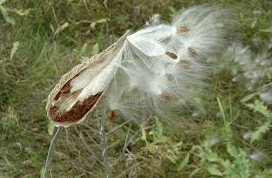
Which mechanism for dispersal is used by the seed shown in the picture?

a)

Water

b)

Mechanical

c)

Wind

d)

Animal

50.

Which mechanism for dispersal is used by the seed shown in the picture?

a)

Mechanical

b)

Animal

c)

Water

d)

Wind

51.

Which mechanism for dispersal is used by the seed shown in the picture?

a)

Water

b)

Wind

c)

Animal

d)

Mechanical

52.

Which mechanism for dispersal is used by the seed shown in the picture?

a)

Animal

b)

Mechanical

c)

Water

d)

Wind

53.

Do you have any questions about plant reproduction or is there any aspect you would like to know more about?

4 lines
54.
Which part may develop into a fruit?
a)
E
b)
D
c)
C
d)
A
55.
The tip of the style that has sticky hairs to trap pollen is the ___.
a)
stamen
b)
stigma
c)
ovary
d)
style
56.
The part of the stamen that produces pollen grains is the ___.
a)
anther
b)
pistil
c)
filament
d)
ovary
57.
The male reproductive structure of a flower is the ___.
a)
pistil
b)
ovary
c)
stamen
d)
ovule
58.
The part of the flower on which the pollen grains land.
a)
anther
b)
stamen
c)
style
d)
stigma
59.
The part of a flower that produces the male reproductive cells.
a)
anther
b)
style
c)
stigma
d)
filament
60.
Which part produces pollen?
a)
A
b)
B
c)
C
d)
E
61.
Pollination can occur between flowers of the same plant. 
a)
True 
b)
False 
62.
What is the function of nectar?
a)
To provide food for the flower
b)
To attract pollinators
c)
To attract animals to disperse the fruits
d)
To produce perfumes for Man
63.
Pollination is the process by which pollen
a)
causes people to sneeze
b)
is formed inside a plant
c)
moves from stamen to stigma
d)
moves from stigma to stamen
64.
Brightly colored parts of flowers that attract insects.
a)
petals
b)
pistils
c)
stamen
d)
filaments
65.
Small grains that contain a plant's male reproductive cells.
a)
stamen
b)
pollen
c)
anther
d)
stigma
66.
What is the female part of the flower used during reproduction?
a)
Pistil
b)
Petal
c)
Stigma
d)
Stamen
67.
What is the male part of the flower used during reproduction?
a)
Pistil
b)
Stigma
c)
Stamen
d)
Pollination
68.
The stalk connecting the ovaries and stigmas.
a)
filament
b)
pistil
c)
style
d)
anther
69.

Plants can be classified by how they reproduce.

a)

There are 2 groups: flowering and not flowering plants.

b)

There are 2 groups: flowering and not-flowering plants.

c)

There are 2 groups: flowering and non-flowering plants.

d)

There are 2 groups: flowering and non flowering plants.

70.

What is an angiosperm?

a)

An animal that lives in trees.

b)

A plant that doesn't produce flowers.

c)

A plant that makes fruits

d)

A plant that makes cones.

71.

What is a gymnosperm?

a)

A plant that makes cones.

b)

A plant that makes fruits.

c)

A plant that makes spores.

d)

A non-flowering plant.

72.

Which of the following is NOT an angiosperm?

a)

Apple tree

b)

Watermelon plant

c)

Orange tree

d)

Pine tree

73.

Which of the following is a non-flowering plant?

a)

Pine tree

b)

Apple tree

c)

Moss

d)

Rose bush

74.

What is the name of this part?

a)

Carpel

b)

Stigma

c)

Stamens

d)

Petals

75.

What parts does the carpel have?

a)

Ovary and stigma

b)

Ovary and stamens

c)

Stigma and stamens

d)

Ovary and petals

76.

What is the name of the pink part?

a)

Sepals

b)

Petals

c)

Stamens

d)

Stigma

77.

Why do plants have petals?

a)

To protect the flower

b)

To attract insects

c)

To reproduce

d)

To make pollen

78.

Which part of the flower makes pollen?

a)

The stigma

b)

The carpel

c)

The ovary

d)

The stamens