
 Worksheets
Chemistry Semester 1 Midterm Review
Total questions: 92
Worksheet time: 2hrs 32mins
A subatomic particle with a positive charge that is in the nucleus of an atom is called a (a) .
What is a subatomic particle without an electric charge, located in the nucleus of an atom?
neutron
proton
electron
valence electron
What is a subatomic particle with a negative charge? It is found in the electron cloud surrounding the nucleus.
neutron
proton
electron
electron cloud
What is the center of an atom containing protons and neutrons?
nucleus
neutron
proton
electron cloud
Match the following particles with their electrical charges.
+1
Proton
0
Neutron
-1
Electron
+2
Alpha particle
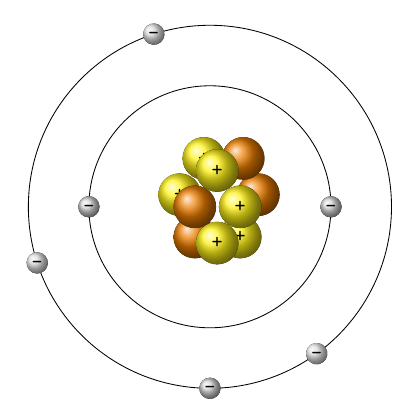
How many electrons does this atom have?
2
4
6
10

Match the following components of an atom with where most of the mass is located.
in the nucleus
Where is most of the mass in an atom located?
in the protons
Where are positively charged particles found?
in the neutrons
Where are neutral particles found?
in the electrons
Where are negatively charged particles found?
What is the atomic number?
the number of protons in the nucleus
the number of protons and neutrons in the nucleus
the number of neutrons in the nucleus
the number of protons in the energy levels
What is the mass number?
the number of protons in the nucleus
the number of protons and neutrons in the nucleus
the number of neutrons in the nucleus
the number of protons and electrons in the atom
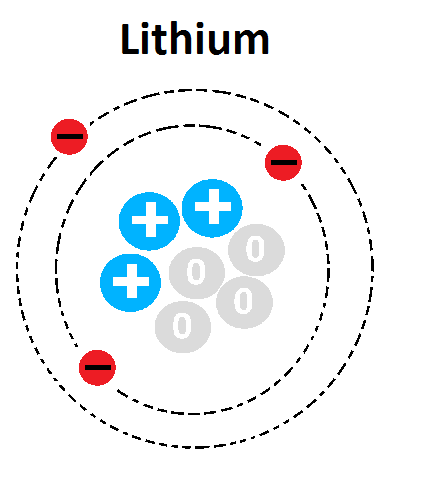
What is the mass number of this atom?
1
3
4
7
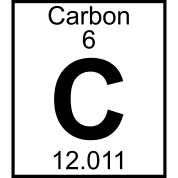

What does the 6 represent?
Atomic mass
atomic number
chemical symbol
element name
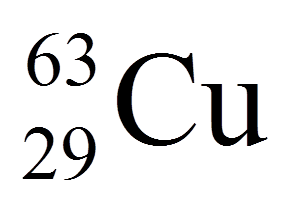
An atom has 10 protons, 15 neutrons and 10 electrons, its mass number is (a) .

This is an atom of (a) .
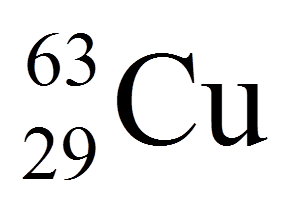

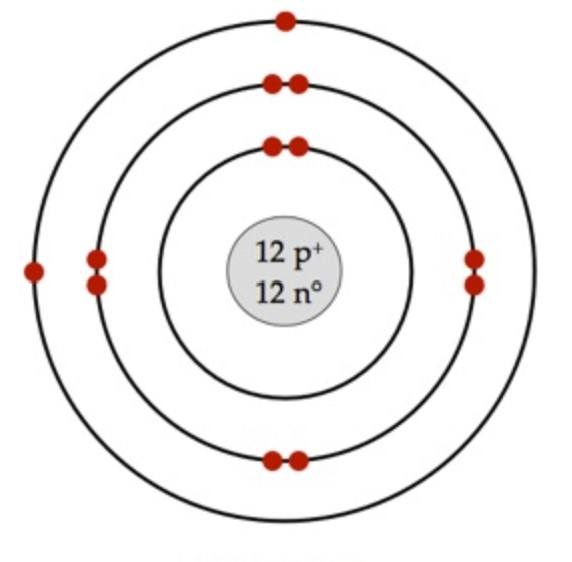
What element does this Bohr model represent?
Chromium
Magnesium
Carbon
Krypton


Potassium-39 has how many neutrons?
19
18
20
21


Match the following elements with their respective families.
Alkali Metals
Li, Na, K, Rb, Cs, Fr
Alkaline Earth Metals
Be, Mg, Ca, Sr, Ba, Ra
Halogens
F, Cl, Br, I, At
Noble Gases
He, Ne, Ar, Kr, Xe, Rn

What family is highlighted in the picture?
Boron Group
Alkaline Earth Metals
Transition Metals
Lanthanides
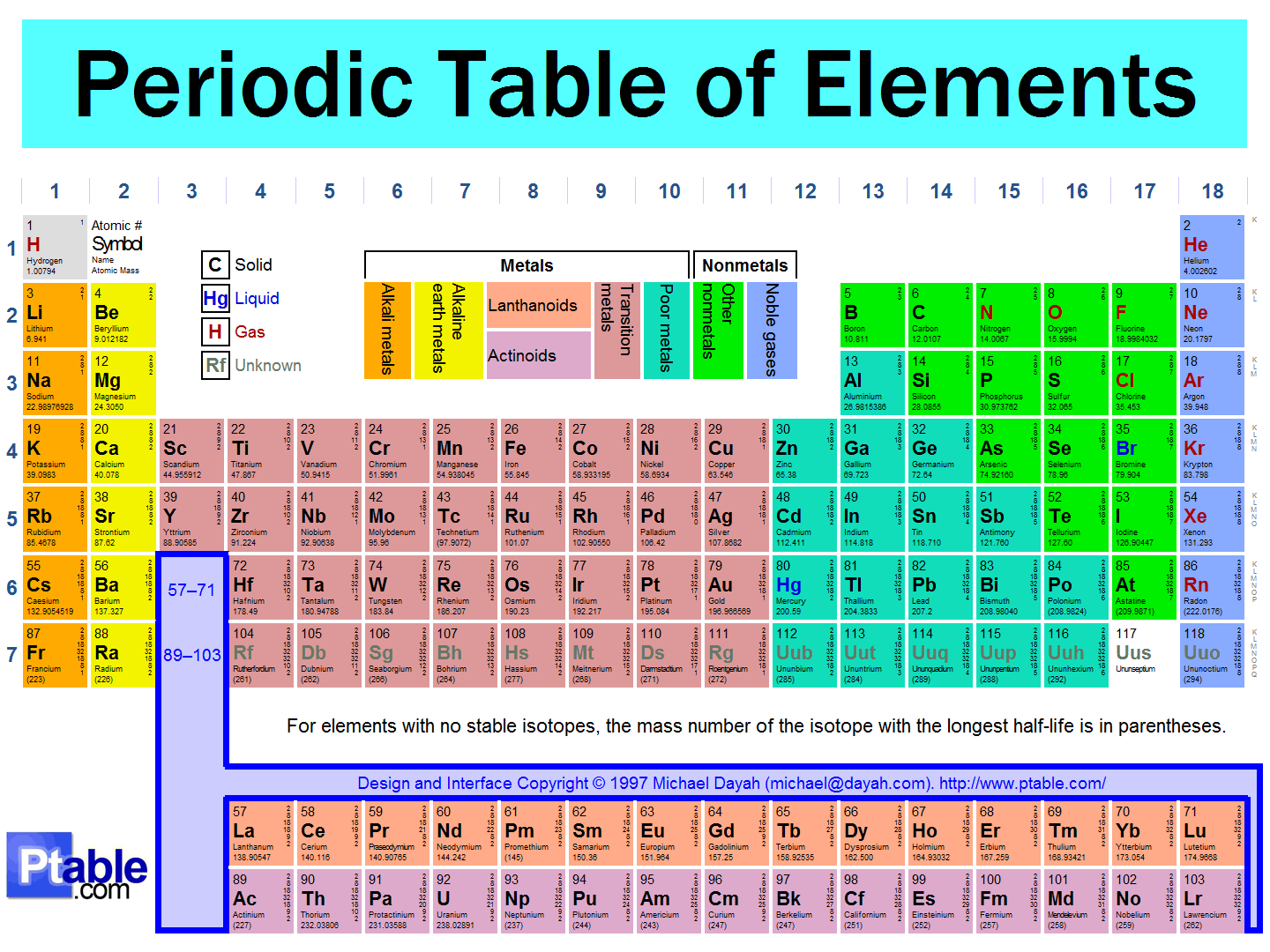
The horizontal rows on the periodic table are called
groups
families
periods
atomic numbers

How many electron energy levels does this element have?
1
2
3
0

As you move down a GROUP on the periodic table the atomic radius get bigger. This is because ____________.
The atoms have more neutrons in the nucleus.
The atoms have more protons in the nucleus.
The atoms have more energy levels for the electrons
The atoms have greater repulsion forces between the protons and electrons
Put the following in order of increasing ionization energy: Neon, Lithium, Carbon
The element with the lowest electronegativity in Period 3 is -
Na
Cl
Ar
Mg
The electronegativity of Cl is the highest in Period 3. Why?
Cl is the largest and has the greatest effective nuclear charge
Cl is the smallest and has the lowest effective nuclear charge
Cl is the largest and has the lowest effective nuclear charge
Cl is the smallest and has the greatest effective nuclear charge
A measure of the size of an atom, and is generally defined as the distance from the nucleus to the outermost electron orbit
chemical reactivity
atomic radius
energy levels
orbit

a change in the chemical composition and identity of a substance
Physical Change
Chemical Change
Physical and Chemical Change
Matter

a change that alters a substance without changing its chemical composition or its identity
Chemical Change
Physical Change
Chemical and Physical Change
Matter

a characteristic of a pure substance that describes how it interacts with other substances
chemical property
physical property
intensive property
extensive property

a characteristic of a pure substance that can be observed or measured without changing the substance’s chemical identity
chemical property
physical property
intensive property
extensive property

tendency of a substance to undergo chemical changes
Ductility
Malleability
Compressibility
Reactivity

anything that has mass and takes up space
Compressibility
Malleability
Reactivity
Matter

a physical property that does not depend on the amount of substance present
chemical property
physical property
intensive property
extensive property

a physical property that depends on the amount of matter present
chemical property
physical property
intensive property
extensive property

is the measure of how much a given volume of matter decreases when placed under pressure
malleability
ductility
compessibility
solubility

the mass of a substance per unit volume
viscosity
solubility
density
reactivity

a sample of matter with both definite and constant composition and distinct chemical properties
Pure Substance
Mixture
Matter
Density

Indefinite shape and definite volume describe which state of matter
Solid
Liquid
Gas
Plasma

Definite shape and definite volume describe which state of matter
Solid
Liquid
Gas
Plasma

Indefinite shape and indefinite volume describe which state of matter
Solid
Liquid
Gas
Plasma

Color, hardness, malleability, solubility, electrical conductivity, density, melting point, and boiling point are examples of
Physical Properties
Chemical Properties

Reactivity, flammability, and the ability to rust are examples of
Physical Properties
Chemical Properties

Density is the comparison of the mass and volume of an object. A 2 foot wood plank has a density of 0.85 g/cm3. What is the density of the wood if the wood plank is cut into a 1 foot section?
1.7 g/cm3
0.85 g/cm3
0.425g/cm3
0.085g/cm3

_____________ are composed of more than one substance while _____________ are made up of one type of substance.
Pure substances, mixtures
Pure substances, homogenous substances
Mixtures, pure substances
Mixtures, heterogeneous

Formation of ice is a (a)

Reaction between acid and sucrose
physical change
chemical change

Mass, Size, Shape, Volume, and Number of Moles
Intensive Properties
Extensive Properties

Elements and Compounds are known as ....
Pure Substances
Mixtures

When two or more elements chemicall combine to form new properties the substance is called a ...
element
compound
homogeneous mixture
heterogeneous mixture

Choose the best description below for the image
physical change
chemical change

Choose the best description below for the image
physical change
chemical change

Choose the best description below for the image
physical change
chemical change
A student heated a 10 gram sample of a chemical in an open container. A chemical reaction occurred, and the mass of the sample was measured again. The mass of the sample was found to be less than before the reaction. Which of the following best explains the decrease in mass of the sample?
The heat caused the chemical to become less dense.
The reaction gave off more heat than was added.
Some of the lighter particles were destroyed.
Some of the particles escaped as a gas formed.
A student dissolved 25 grams of salt into 1,000 grams of water. What should the mass of the saltwater mixture be?
975 grams
1,000 grams
1,025 grams
2,500 grams

What mixture is an heterogeneous mixture?
Soluble coffee in water
Sand and water
Perfume
Apple juice
The mixtures where components CAN NOT be distinguished at simple sight:
Homogeneous
Heterogeneous
Homogeneous and heterogeneous
None
1s22s22p63s23p64s23d10
1s22s22p63s2
The 4 orbitals are
s, p, d, f
a, b, c, d
2, 4, 6, 8

The element pictured is (a) .
Match each concept with its corresponding representation on the periodic table:
an energy level
Each row on the periodic table represents:
a sublevel
Each block on the periodic table represents:
an electron
Each element on the periodic table represents:
an orbital
Each section within a block on the periodic table represents:

