
 Worksheets
CLASS 6 SAMPLE MCQ
Total questions: 160
Worksheet time: 1hrs 22mins
Moving air is called ________
wind
fog
dew
The envelope of air that surrounds the earth is called ________
atmosphere
hydrosphere
lithosphere
Mountaineers carry _________ cylinders with them, while climbing mountains.
nitrogen
carbon dioxide
oxygen
Air is a mixture of many _________
solids
liquids
gases
___________ gas is necessary for burning
oxygen
nitrogen
carbon dioxide
__________ gas occupies the major part of composition of air.
nitrogen
oxygen
carbon dioxide
The ___ makes the windmill rotate.
wind
electricity
power
As we move higher in the atmosphere, the air gets _______
increases
more
rarer

__________% of nitrogen is present in the atmosphere.
78%
21%
1%
0.03%
What is air ?
Mixture of gases
Nitrogen
Carbon Dioxide

Earth is surrounded by an envelope of gases called the _____________.
Hydrosphere
Solar system
Atmosphere
Cloud bubble
__________ gas occupies the major part of composition of air.
Nitrogen
Oxygen
Carbon dioxide
The burning of fuel produces ______.
Dew
Wind
Smoke

___________ gas is necessary for burning
Oxygen
Nitrogen
Carbon dioxide
Which gas is released into the atmosphere by plants following photosynthesis?
Oxygen
Argon
Carbon dioxide
Nitrogen

What layer protects us from the sun's harmful rays?
Protection layer
Ozone layer
Atmospheric layer
How to prevent air pollution?
To plant trees
To use bicycles or public transport instead of using private vehicles.
All of the mentioned.
To share the seat in car or bike to other person or the friend who is coming or going to the same destination or place where we are going to go to
Cell is a device which
converts chemical energy into electrical energy
electrical energy into light energy
electrical energy into magnetic energy
None of these
A bulb has
two terminals and one filament
two terminals and two filaments
multiple terminals and single filament
single terminal and single filament
Filament of a bulb is made up of
aluminium
chromium
platinum
tungsten
Bulb glows only in
closed circuit
open circuit
in both circuits
open circuit if bulb is not fused
A battery is
a single cell
a combination of cells in which cells are joined (+) to (-)
a combination of cells in which cells are joined (+) to (+)
None of these
A substance which allows electricity to pass through it is called
a conductor
an insulator
semiconductor
superconductor
Which is an example of an insulator
bakelite
aluminium
tap water
All of these
An example of a conductor is
tap water
salt solution
metal wire
all of these
How many terminals are there in a dry cell?
One
Two
Three
Four
To prevent electric shocks, the metallic electrical wires are covered with
paper
cotton
aluminium
plastic
____ is the positive terminal of an electrical cell.
Metal disc
Metal case
Metal cap
Metal base
The tiny coiled metal wire present inside the bulb is called ___
Element
Conductor
Filament
None of these
A combination of two or more electric cells is called _____
Electric circuit
Battery
Terminals
None of these
_____ is an electric device which easily closes or opens an electric circuit.
Filament
Electric bulb
Electric switch
Electric cell
Electric energy is produced from the ______ within the cell.
Chemicals
Metals
Terminals
None of these
The electric current in a closed circuit always flows from the ____ terminal of the electric cell to the _____ terminal.
Negative to positive
Positive to negative
Positive to positive
None of these
Cell is a device which
converts chemical energy into electrical energy
electrical energy into light energy
electrical energy into magnetic energy
None of these
A bulb has
two terminals and one filament
two terminals and two filaments
multiple terminals and single filament
single terminal and single filament
Filament of a bulb is made up of
aluminium
chromium
platinum
tungsten
Bulb glows only in
closed circuit
open circuit
in both circuits
open circuit if bulb is not fused
A battery is
a single cell
a combination of cells in which cells are joined (+) to (-)
a combination of cells in which cells are joined (+) to (+)
None of these
The arrangement of veins in a leaf is called ______________ .
leaf venation
leaf arrangement
leaf design
leaf type
The process by which plants lose water through their leaves is called ______________ .
evaporation
transpiration
conduction
respiration
_______________ is the female part of the flower.
stamen
anther
filament
pistil
Exchange of gases in plants takes place in leaves with the help of small pores called ____________________ through which carbon dioxide is taken in and oxygen is given out.
veins
midrib
holes
stomata
The food prepared by the leaves after photosynthesis is in the form of ____________________ .
starch
water
carbon dioxide
oxygen
_____________ protect the petals in the bud stage and provide support to the petals when the bud opens to form a flower.
pistil
sepals
stamen
filament
The anther produces a yellow powdery substance called ____________ .
filament
pollen
ovules
buds
The ovary contains small, bead-like structure called _____________ .
ovules
pollen
style
stigma
A tube like structure present in pistil is called _______________.
filament
anther
stigma
style
The broad, expanded part of a leaf is called _________________.
petiole
lamina
midrib
veins
Which is an example of a shrub?
Spinach
Mango tree
Tomato plant
Lemon
Which of the following type of plants has thick, hard and woody stem?
Tree
Shrub
Herb
All of these
Which is not a part of a leaf?
Petiole
Lamina
Veins
Nodes
parallel venation is not found in
sugarcane
peepal
maize
wheat
Which one of the following is a function of leaves?
Photosynthesis
Transpiration
Both (a) and (b)
Support fruits
Leaf venation and type of root is correctly paired in
parallel venation, fibrous roots
parallel venation, taproot
no relation exists in leaf venation and type of roots
reticulate venation, fibrous roots
Male reproductive part of flower is
sepals
petals
stamens
pistil
Which is a correct set of parts of a pistil?
Ovary, style and filament
Ovary style and stigma
Ovary, anther and filament
Filament and anther
Which of the following has fibrous root?
Peas
Wheat
Radish
Neem
The process of loss of water by a plant through leaves is called
evaporation
condensation
photosynthesis
transpiration
The spines of cactus are
Stipules
Modified stem
Tendrils
Modified leaves
…………. is the part of the stem between two nodes.
Node
Midrib
Internode
Veins
Which part of the plant anchors the plant firmly in the soil?
Root
Stem
Both of these
None of these
The root absorbs water from the:
Stem
Soil
Branches
Flower
Tiny pores on the surface of leaves are called
Lenticels
Guard cell
Bores
Stomata
Pollen grains are produced in________?
Flower
Ovaries
Anthers
Fruits
Which part of the plant joins leaf and root ?
Branches
Buds
Flowers
Stem
Which part of plant is not always present?
Root
Fruit
Leaf
Stem
Grape is an example of
trees
climbers
shrubs
Creepers
Which plant has reticulate venation in its leaves?
Wheat
Sugar cane
Bamboo
Marigold
Organisms made up of only one cell is known as ________. Organisms made up of many cells known as _________.
exoskeleton, endoskeleton
tissue, organ
unicellular, multicellular
invertebrates, vertebrates
Which of the following is placed in correct order:-
The bodies of all multicellular living organisms, are organized as the following:
Cells-- Tissues-- Organs-- Organ Systems-- Human Body
Cells-- Organs-- Tissues-- Organ Systems-- Human Body
Human Body-- Organ Systems-- Organs-- Tissues-- Cells
Tissues-- Organs-- Cells-- Organ Systems-- Human Body
In which of these organs these organ system do males and females have different organs?
Nervous System
Muscular System
Excretory System
Reproductive System
Which of these acts as a shock absorber at the joints?
Cartilage
Ligaments
Tendons
Biceps
The Hinge joints allow movement in
all direction
one plane only
two planes only
depends on where it is located in our body
The only bone in our body which is not connected to another is the _______, a V-shaped bone located at the base of the _______.
humerus, arms
femur, legs
hyoid, tongue
Brestbone, chest
The up down movement of our arm are controlled by two muscles_
Tendons and ligaments
Biceps and Triceps
Ball and Socket Joints
Cartilage, ligaments
The skeleton which is inside the body is known as _______. The skeleton which is outside the body is known as _______.
invertebrates, vertebrates
vertebrates, invertebrates
exoskeleton, endoskeleton
endoskeleton, exoskeleton
Which of these is not a function of a skeleton_?
Making Blood Cells
Movements
Support
None of the above
Which of the following statement is incorrect:-
A fish moves by its fin in a zig-zag pattern.
An earthworm moves by expanding and contracting its body muscle.
A snake moves by curving its body into many loops, each loop pushing against the ground.
Birds fly with their hollow and very light bones which are modified vas forelimbs.
Skeleton of human body is made up of
Cartilage
Bones
Both cartilage and bones
None of the above
Hip joint is
Hinge joint
Pivotal joint
Fixed joint
Ball and socket joint
Which of the following are the functions of the skeleton
Gives support to the body
Protects inner organs
Does not give shape to the body
All of the above
Which of the following joints is immovable?
Lower jaw and upper jaw
Upper jaw and skull
Knee and hip joint
Wrist and pivotal joint
Underwater divers wear fin-like flippers on their feet to
Swim easily in water
Walk on water surface
Look like a fish
Walk on the sea bed
Which of the following are the characteristics of the birds?
Light bones
Hollow bones
Strong muscles
Forelimbs modified as wings
Hinge joint can allow movement upto
360 degree
90 degree
45 degree
180 degree
An earthworm is able to move with the help of its
Bones
Bones and muscles
Muscles
Shell
Which of the following organs are protected by the rib cage
Stomach
Heart
Lungs
Both heart and lungs

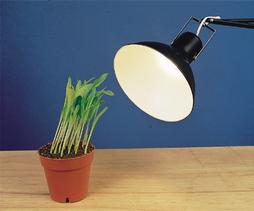
Animals eat food and plants use sunlight, both are examples of obtaining what?
A full stomach
Cells
Energy
headache
Plants, animals and microorganisms constitute ___________ components
biotic
abiotic
habitat
The special features which enable living organisms to survive in their surrounding is known as _______
habitat
adaptation
abiotic
The changes that occur in the body to overcome small problems due to changes in surroundings is known as __________
adaptation
acclimatisation
camouflage
In cactus, photosynthesis is carried out by the __________
roots
leaves
stem
The animals that prey on other animals are known as _______
preyers
herbivores
predators
Dolphins breathe through their _________
blowholes
spiracles
skin
Which is a biotic component of environment?
Plants
Animals
Microorganisms
All of these
Respiration in aquatic animals occurs by
lungs
legs
nostrils
gills
Soil, water and air are ……………… components of a habitat.
Biotic
Solid
Abiotic
Liquid
Following are some features of plants.
(i) They lose a lot of water through transpiration.
(ii) Their leaves are always broad and flat.
(iii) They lose very little water through transpiration.
(iv) Their roots grow very deep into the soil.
(v)Leaves are modified to spine
Which of the combinations of above features are typical of desert plants?
(a) (i) and (ii)
(b) (ii) and (iv)
(c) (ii) and (iii)
d) (iii), (iv) & (v)
Boojho comes across an animal having a stream-lined and slippery body. What is the habitat of the animal?
Aquatic
Desert
grassland
mountain
What is the name given to the plants growing in water?
hydrilla
lotus
hydrophytes
none of these

Which animal can be placed in group Z?
Fish
Frog
Camel
Mountain goat
What are the specific features present in a deer that helps it to detect the presence of predators like lions?
Eyes on the sides of its head which allow it to see in all directions at the same time.
Large ears to hear the movement of predators very easily.
The strong legs and high speed of deer helps it to run away from predator.
All of the above

The adaptation of the trees in mountain region is _____
Submerged leaves with long narrow and ribbon shape
The conical shape and sloping branches of the tree helps to get the snow to fall off the tree quickly and to get the sunlight.
leaves modified to spine
None of these
Paheli has a rose plant in her garden. How can she increase the number of rose plants in the garden?
by watering plant for its growth
reproduction by vegetative part i.e. by stem cutting
both of these
none of these
question_answer10)
Which characteristics protect an animal against cold weather?
Thin skin
Thick skin
Thick layer of fat
both thick skin and layer of fat
Which characteristic of living things is also shown by a car?
Response to changes.
Need of energy.
Reproduction of its kind.
Taking in gases
Which part of a camel will shrink in size when there is no food for a long time and retain its size when food is available?
Rough tongue
Long eyelashes
Hump
Neck
Shreya touched a hot kettle and quickly pulled her hand away. Which characteristic is proved by the given statement?
Reproduction
Response to stimuli
Growth
Respiration
A chicken lays eggs and a cow gives birth to a calf. Which characteristic feature of living things is proved by the given statements?
All living things reproduce.
All living things respond to stimuli.
All living things respire
All living things excrete
In which habitat, can the animals move fast?
Grassland
Mountain
Desert
Forest
Why do desert snakes burrow deep into the sand during the day?
They like to hide
Snakes in the desert burrow deep into the sand during the day time when it is very hot because the deeper layers of sand are cooler. This allows them to stay away from heat of the desert
They cant survive on land
They require dark
Aquatic plant, desert plant, mountainous plant
Choose the type of plant for every adaptive feature given below from the list given below:
Read the features of plants given below.
1.Thick waxy stem
2.Short roots
3.Cone-shaped plants
4. Sloping branches
5.Small or spine-like leaves
6.Hollow stem
Thick waxy stem – aquatic plant
Short roots – desert plant
Cone-shaped plants – desert plant
Sloping branches – mountainous plant
Small or spine-like leaves – aquatic plant
Hollow stem – mountain plant
Thick waxy stem – desert plant
Short roots – aquatic plant
Cone-shaped plants – mountainous plant
Sloping branches – mountainous plant
Small or spine-like leaves – desert plant
Hollow stem – aquatic plant
Thick waxy stem – mountain plant
Short roots – desert plant
Cone-shaped plants – desert plant
Sloping branches – aquatic plant
Small or spine-like leaves – aquatic plant
Hollow stem – mountainous plant
can't corelate
The adaptive features of a lion that helps it in hunting
Long sharp claws in its front legs to catch prey.
Eyes placed in front of head allow it to know the correct location and movement of its prey.
Brown body colour helps it to hide in dry grassland, this avoids the detection by its prey.
All of the above
Pinhole camera is based on the ___________
Rectilinear propagation of light
Rectangular propagation of light
Circular propagation of light
None of these
Shadow of an object is always
Colourful
White
Black
Transparent
When we move an object away from the source of light, the shadow of the object _____________
Become bigger
Becomes smaller
Remains the same
None of these
When green light falls on a blue object, the colour of the shadow is _______
Green
Blue
White
black
WHERE WOULD BE A SHADY PLACE TO STAND ON A SUNNY DAY ?
IN THE MIDDLE OF A FOOTBALL GROUND
IN THE SEA
UNDER A TREE
NONE OF THE ABOVE
which of the characteristics is not exhibited by the shadow of an object?
erect
same colour as the object
can be formed on screen
can be bigger than the object
A plane mirror form an image of an object because it ........ light from the object
Absorbs
Emits
Passes
Reflects
This is not a beam of light
The headlight of a car
A torch shines
Light from firefly
Projector onto a screen
When the left side of an object appears as the right side of the image and vice versa, this phenomenon is called
Literally inversion
Lateral Invasion
Lateral Inversion
Literally Invasion
which of these are required to form the shadow of a ball
Torch
Ball
Screen
All of these
Image formed in a pinhole camera is always
Erect
Inverted
Parallel
None of these

Where will the tree's shadow be?
A
B
C
Which will make the darkest shadow? Light shining on a...
sheet of thin tissue paper
glass window
wooden chopping board
none of the above
What does reflection mean?
Light bouncing off an object.
Light is bending around an object.
Light is moving through and object.
This is no light.

What is the best explanation for Mickey seeing himself in the mirror?
Refraction
Absorption
Reflection
Flipped
There is light on the Earth even on a dark, cloudy day. This is because clouds are:
Opaque
Translucent
Transparent
Luminous
Where are periscopes used ?
Fire departments
Submarines
Military
Hospitals
Which of the following properties are used while using the periscope ?
gravitational force
reflection of light
property of lights and beams
None of these
We are able to most of the things around us because of
Regular Reflection
Irregular Reflection

How many regions does an eclipse shadow have?
1
2
3
4
What is a place where garbage is taken and piled up ?
(a)
What color does a recycle bin use ?
Red
Green
Gray
Blue
Why isn't garbage supposed to be burnt ?
Because it spoils the air.
Because it makes the garbage occupy more space.
Because it is bad for our lungs
What do red worms have instead of teeth ?
Claws
Gizzard
They don't have any use of teeth or any of its alternatives.
Creating compost with _________ is called vermicomposting.
Centipedes
Earth Worms
Red Worms
Black Worms
What is safe to give to Red Worms ?
Vegetables
Salt
Oil
Fruits
What are the advantages of vermicomposting ?
It can be used to recycle certain waste products.
The remaining compost can be used as fertilizers.
You can save the environment by using less waste
When does plastic become dangerous ?
When we play with it
When we burn it.
When we leave it alone
What can be used as an alternative to plastic bags
Paper Bags
Glass bags
Cloth Bags
We shouldn't use bags at all.
Why can't we make a compost out of plastic ?
Because it is banned by law.
Because it bad for the soil.
Because it starts a fire.
Because plastic is cannot rot.
Tick off all the reasons you think that plastic is dangerous.
Plastic never goes away. You can't get rid of it.
Because it atracts mosquitoes.
Because we may die if we hold plastic in our hands.
Because there are animals that have eaten plastic by accident and that have choked to death.
When burned, it can cause cancer in humans upon inhalation of the fumes.
How many years on average can plastic bags take to decompose ?
1 to 10 seconds
10 to 1000 years
10 to 50 centuries
2 to 4 decades
Can garbage make a scarcity of drinking water ?
No. It will not affect the amount of drinking water that we have on Earth.
Yes, when we throw garbage into various water bodies, they garbage makes the water dirty. Hence pure drinking water will slowly start becoming scarce.
When was Swachh Bharat Mission launched ?
7 December 1992
26 January 2022
29 February 1872
2 October 2019
What country was Swachh Bharat Mission introduced in ?
Japan
Pittsburgh
India
Russia
Garbage contributes to (a) ?
Tick off all the recyclable wastes.
Paper
Sapphire
Plastic bottles
Plastic bags
Glass
What is the correct definition of "Reuse" ?
Reducing the consumption of certain materials.
Using certain materials over and over until they are worn out.
Making something new out of an old material.
What is the correct definition of "Reduce" ?
Using certain materials over and over until they are worn out.
Reducing the consumption of certain materials.
Making something new out of an old material.
What is the correct definition of "Recycle" ?
Using certain materials over and over until they are worn out.
Reducing the consumption of certain materials.
Making something new out of an old material.

