
 Worksheets
KS3: Diet Related Health & Illnesses
Total questions: 30
Worksheet time: 42mins

Most diet-related diseases can be linked to: (Choose 3)
Too much saturated fat
Not eating enough sugar
Too much salt
Not eating enough fibre
Leading an active lifestyle

What does CHD stand for?
Cardiovascular disease
Coronary heart disease
Carbohydrate health disorder

Which of the following statements is true?
A balanced diet should not include anything sweet.
Pasta and vegetables are enough to provide a balanced diet.
A balanced diet must include carbohydrates, fats, proteins, minerals, vitamins, water and fibre.
A balanced diet should not include any fats.
Fill in the blank: (a) means being 20% or above the normal weight for your height.

________ ________ is when energy input (calories consumed through food and drink) is equal to energy output (calories used by the body for our energy requirements).
Portion control
Energy balance
Balanced diet
Exercise

Foods that offer few, if any, nutrients but do supply calories.
Nutrient Dense
Empty Calorie Foods
Nutritious Foods
Supplemental Foods
True or False: Type 1 diabetes is associated with being overweight.
True
False

The organ responsible for producing insulin is the...
Liver
Heart
Pancreas
Gallbladder

Which of these guidelines would you not recommend to someone who is trying to increase fibre intake in their diet.
Add nuts & seeds to home baking & breakfast cereals, e.g. chopped nuts added to crumble topping
Choose wholegrain cereals over white, refined cereals.
Add pulse vegetables to dishes, e.g. adding beans, peas & lentils to soups, stews & casseroles.
Remove the skins from fruit and vegetables before eating.


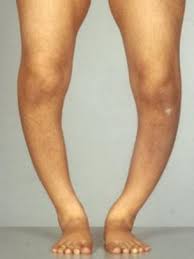
Deficiency of which nutrient leads to this disease?
Vitamin A
Vitamin D
Vitamin C
Deficiency of __________ causes Night blindness.
Vitamin B1
Vitamin D
Vitamin A

True or false? Having a high BMI increases your risk of developing coronary heart disease.
True
False
Which of the following diseases can be caused by a deficiency of iron?
Anaemia
Osteoporosis
Obesity
Marasmus
True or false? Reducing salt intake can reduce the risk of coronary heart disease.
False
True

Eating too much sugary food causes,
Tooth decay
High on energy
Health probems like diabetes, heart problems and cancer.
All of the above
What does the body use carbohydrates for?
Carbohydrates enable the tranport of essential nutrients in the body.
Carbohydrates improve digestion.
Carbohydrates are used by the body for growth.
Carbohydrates provide the body with a source of energy.
1g of fat gives how many kilocalories of energy?
9kcal
3.5kcal
4kcal
7kcal
The organ responsible for producing insulin is the...
Liver
Heart
Pancreas
Gallbladder
Define the special diets with their dietary requirements
Coeliac
Gluten-free diet
Diabetic
Low sugar diet
Anaemic
Iron-rich foods
Obesity
Calorie-controlled diet
Vegetarian
Plant-based foods
Which of the following is NOT a source of dietary fibre?
Wholemeal pasta
Eggs
Wholegrain cereals
Brown pasta
Match the type of milk to the consumer you would give it to.
Whole milk
Young Children
Almond milk
Vegans
Skimmed milk
Health-conscious individuals
Oat milk
People with lactose intolerance
Coconut milk
People looking for dairy alternatives
Match up the statements with the examples from the Eatwell Guide.
Eat more of some foods from this
group and less of other foods from
this group.
Beans, pulses, fish, eggs and meat
Eat at least 5 portions a day.
Fruit and vegetables.
Choose lower fat and lower sugar
options.
Milk and dairy foods.
Eat only small amounts of foods in
this group.
Oils and spreads.
Choose wholegrain or higher fibre
versions of foods in this group with
less added fat, salt and sugar.
Bread, rice potatoes, yam, plantain,
past
Match the key terms with the correct definition
Basal Metabolic Rate
The amount of energy needed by the
body j
Physical Activity Level
The amount of energy we use for
movement
Energy balance
The amount of energy we take in each
day
Kilocalorie
One of the units for measuring energy.
The percentage of energy which should be obtained from different nutrients is as follows:
(a) should provide you with (b) of your daily intake of energy.
Fat should provide you with no more than (c) of your daily intake of energy.
(d) should provide you with (e) of your daily intake of energy.

