
 Worksheets
Science 5 LT1 Revision S2
Total questions: 83
Worksheet time: 1hrs 2mins

Is this object being used more for light or heat?
light
heat

Is this candle being used more for light or heat?
light
heat

A mirror _________________ light.
absorbs
reflects
refracts
An object that blocks all of the light from passing through is...
transparent
clear
opaque
translucent
This type of object lets some light through, but not all. It is not easy to see through this type of material.
transparent
translucent
co-parent
opaque


What is the best explanation for Mickey seeing himself in the mirror?
refraction
absorbed
reflection
flipped
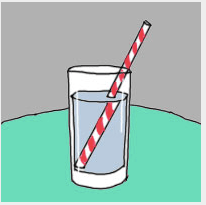
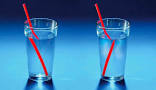
Why does the straw appear to be bent?
light is reflected
light is absorbed
light is turned
light is refracted


A student placed a pencil in a cup of water. The pencil appears broken because light
always travels in a straight line.
bends when it passes through water.
makes the water in the glass evaporate.
reflects the pencil on the water's surface.
What two types of energy come out of a bulb?
sound and heat
light and heat
light and mechanical
heat and mechanical
Which of the following is an example of an object that refracts light?
compact
prism
Which one shows reflection of light?


Why does the cat form a shadow?
It reflects light
It blocks light
It follows light
It bounces light
Which will make the darkest shadow?
Light shines on a ____________
sheet of thin tissue paper
glass window
wooden chopping board
frosted glass

How does a ring have a different shape of shadow than its original?
We put more than one light source
We put the ring on the open book
We turn off the lamp
We use larger flashlight

The picture below shows a toy house with its shadow.
How many light sources is/are there?
1
2
3
4

A torch is shining on a metal container.The shadow of the metal container was formed on the white screen.
Which one is correct shadow of container?


Shadow puppet is a show that use shadow to perform.
Which one is corrrect about shadow?
It is only dark color
It is colorful
It happens with mirror
It gives the detail of object
________________ doesn't create any shadow.
Opaque objects
Transparent objects
Translucent objects
Transporter objects
A dark shape formed when an opaque object is placed in the way of light is called _________.
glass
transparent
shadow
heat
The centre part of the shadow from which all light is blocked is called the . . . .
umbra
penumbra
rays
reflection
The outer part of the shadow from which only some light is blocked is the . . .
umbra
penumbra
rays
reflection
A band of different colours produced when a mixture of different light colours is dispersed is called . . . .
refraction
reflection
spectrum
rainbow
Telescopes and cameras are . . . instruments.
mirror
lens
optical
musical
The closer the source of light, the _________ is the shadow.
same size
bigger
smaller
clearer
Shadows do not depend on the ________ of the object.
size
colour
shape
light

What happens to the size of a shadow as you move the object closer to the light source.
it gets larger
it gets smaller
nothing
it turns into a different shape shadow

Picture shows that ______________ also can affect the shape of the shadow.
part of the object get the light
position of the light source
distance between the light source and object
color of object
Shadows are shortest at this time of day:
morning
noon
afternoon
evening
Why does your shadow change during the day?
The sun is moving.
The directions (N, S, E, W) change throughout the day.
The sun's position in the sky changes.
The moon rises.
When the Sun is behind you, your shadow is ...
behind you
in front of you
at the side of you
not there
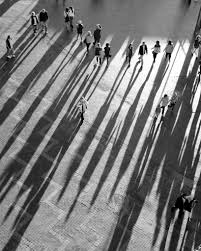
When was this picture most likely taken?
(Hint: think about the shadow's length)
morning
night
noon
none of them
When the sun gets higher in the sky, shadows get ______.
longer
gone
shorter
darker
When the sun gets lower in the sky, shadows get______.
longer
gone
shorter
darker
Shadows are shortest around______.
morning and evening
noon
night
What do shadows on Earth help show?
Earth's rotation
Earth's revolution
Earth's equator
Earth's axis
When an object moves closer to a light source, its shadow...
Gets smaller
Gets bigger
Changes shape
Stays the same size
Which object allows you to see your reflection?
rock
mirror
paper
Opaque is?
Material that allows light to pass through
Light made by nature
Material that allows no light to pass through

You can tell where the sun is by looking at a shadow because the sun is always on the __________ side of the object.
same
opposite
right
left

Where will the tree's shadow be?
A
B
C

Where will the tree's shadow be?
A
B
C

Which position of the sun will make the longest shadow?
A
B
C
Light always travels in a .........................line.
straight
curved
elliptical
none
1.People told the time by _____________ before the invention of clocks.
Candle power
Sundials
Shadow puppet
Silhouette
4. _________ is a solid image of a person or a scene, like a shadow.
Etienne
Silhouette
Transparent
Translucent
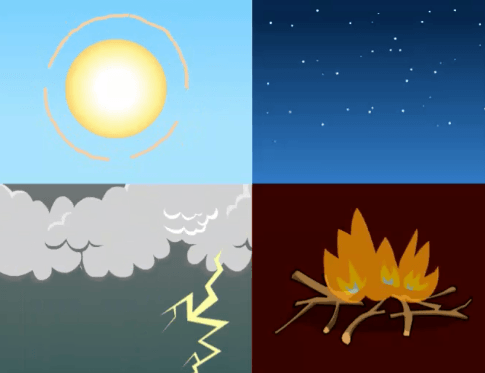
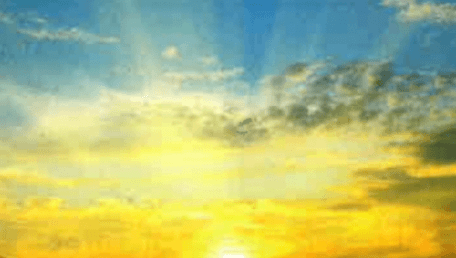
Which of these are examples of natural light sources?
Sun
Stars
Lightning
All of them
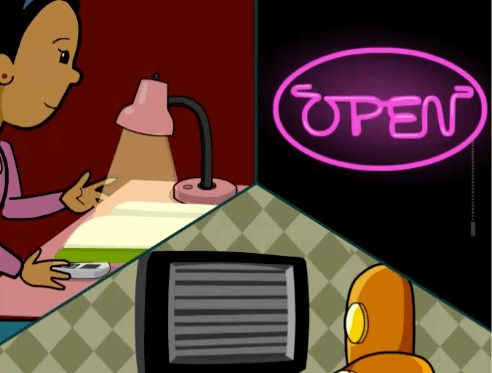
Which of these are examples of man-made light sources?
Lightbulb
Neon sign
Television
All of them
A line that light travels in is called a _________
light source
light ray
light wave
light reflected
What is light?
It is a form of energy that _______________.
enables us to see
makes us warm
helps object to move
protects Earth from heat

This insect is a natural source of light. Can you tell what insect it is?
Mosquito
Dragon fly
Fire fly
Beetle
Which place will have the highest light intesity during sunny clear daytime?
in the attic
in the storage room
in the classroom
at the school yard
4. We can see light sources because light travels from the light sources and ......
enters our eyes
goes away from eyes
turns around the sun
receives the light
12. We can see the moon shines because it reflects light from ...
The Sun
The Earth
The Star
Animals
14. Which statement is true?
We can see our reflection through a paper.
The objects that have smooth surface will not reflect the light well.
The objects that have rough surface can reflect light well.
The objects that have smooth surface can reflect light well.
15. The object can reflect light well is ...
paper
toy block
towel
spoon
19. Why we can not see our reflections in a piece of paper?
Because the light falls in many different direction.
Because it has smooth surface.
Because it has light.
Because it is magnetic object.
When light hits an opaque object.
The shadow is made.
It passes through it.
We get energy

Which object is shown in the picture?
Translucent
Opaque
Transparent

Which object is shown in the picture.
Translucent
Opaque
Transparent
what are luminous objects?
objects that make their own light
objects that reflect light
objects that let light pass through
objects that block light
what happens to light when the light hits a mirror?
nothing happens
becomes a light source
changes the direction of the light
break the mirror

What is the correct order of what happens when our eyes see the flower in the picture:
1. the light bounces off,
2. the light enters the boy's eyes,
3. the sunlight hits the flower.
1-2-3
2-1-3
3-1-2
None of these
What is the angle of mirror in periscope
35
45
55
65
How does periscope works?
A periscope works by using two mirrors to reflect light from one mirror to another for the person to see the things that is behind a high obstacle.
It works by using one mirror to reflect for us to see things behind a high obstacle.
It works by using one glass to reflect for us to see things behind a high obstacle.
What is the type of mirror use in periscope?
Convex mirror
Concave mirror
Plane mirror


How does light behave when hitting this shirt?
Yellow is absorbed; all other colors are reflected.
Yellow is reflected; all other colors are absorbed.
All colors are absorbed, but yellow is refracted.
Yellow is scattered and all other colors are absorbed.
Why does a banana appear to be yellow?
When white light strikes a banana, all colors of light except for yellow are reflect it. Yellow light is absorbed from the banana. You see the banana yellow.
The seven colors are absorbed.
When white light strikes a banana, all colors of light except for yellow are absorbed. Yellow light is reflected from the banana. You see the banana as yellow.
When white light strikes a banana, the yellow and all the other colors are reflected.
The primary colors of LIGHT are:
red, yellow, blue
yellow, cyan, magenta
red, green, and blue
red, orange, yellow, green, blue, violet
Which colors make up white light?
Red, Orange, and Yellow
All colors
Reds and Violets

Which color will transmit through the filter?
Red only
Blue and Violet
Green
All colors

