
 Worksheets
Social Skills 1
Total questions: 40
Worksheet time: 14mins
Communication is a ____ process.
one
three
two
five
Communication can be defined as the exchange of information, feelings, thoughts and ideas.
True
False
What is Body Language?
Postures, gestures, and facial expressions.
The exchange of information through the use of words.
Your words say one thing but your body language say another.
Speak from your point of view.
Good listening skills include what?
Smiling and waving at people
Yelling loud at people
Writing in slang.
None the above.
True or False: Communication is more than just talking face to face?
True
False
The exchange of information through the use of words or actions is
Active listening
Body language
Communication
Aggressive
Which of the following is considered a listening skill?
Thinking before you speak
Writing clear, simple statements
Paying attention
Repeating after the perosn

Two types of communication are:
Verbs and Nouns
Verbal and information
Verbal and non-verbal
Happy and sad

An example of verbal communication is:
Phone conversation
Posture
Eye contact
Writing an email
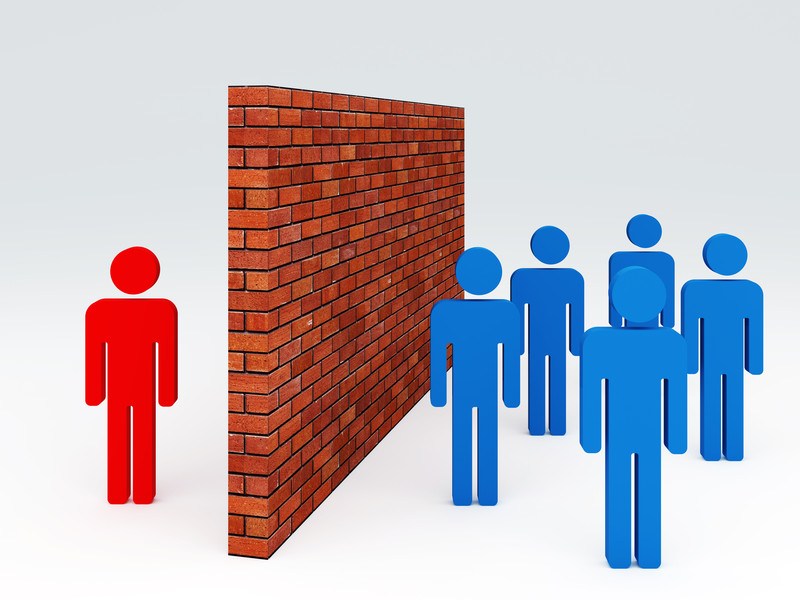
Which of the following is a barrier to communication?
Message is not clear
Not listening
Lack of language skills
All of the above

We communicate by:
Speech (Telephone call, conversations, etc)
Visuals (Body language, facial expressions)
Writing (Letter, emails, newsletters, etc)
All of the above
Which of the following is a positive body languages to use when speaking?
Fold your arms or cross your legs
Stand behind a lecture and keep your body hidden
Keep your arms open and use gestures
Do not make eye contact
Which of following is a negative body language to use when speaking?
Fold your arms or cross your legs
Stand behind a lecture and keep your body hidden
Keep your arms open and use gestures
Do not make eye contact
Which of these is a communication skill?
Talking at the same time as someone else
Listening to what people say
Putting your fingers in your nose
What body language shows you are listening?
Turning away from speaker
Nodding and making eye contact
Looking out the window
What is verbal communication?
Talking to someone
Whens someone is talking and someone else is listening
When more than one person is talking
Use verbal noises to show you are listening
What is communication without words?
Sign language
Non-verbal communication
Gestures
Telepathy
Is text messaging an acceptable form of communication?
Yes, by using emoji's
Yes, it should be a preferred choice when making arrangement
Yes, in certain circumstances
How can a person correctly communicate?
Speaking
Texting
Phone
All of the above
How can people use verbal communication?
Face-to-Face contact
Face-to-Face, Telephone, Skype
The use of word but not sounds
Waving is what type of communication?
Gestures
Body Language
Sign Language
Body Position
Facial expression are a part of what?
Gestures
Sign Language
Body Language
When you are talking directly to a person and you can see them, this is called what?
Verbal contact
Talking
Interaction
Face-to-Face communication

Sad
Happy
Bored
Scared

Happy
Excited
Sad
Surprised

Scared
Happy
Excited
Confused

Sad
Excited
Scared
Worried

Tired
Unhappy
Sad
Scared

Sad
Excited
Angry
Mad

Scared
Nervous
Excited
Mad

Happy
Sad
Disgust
Scared

Annoyed
Sad
Confused
Bored

Sad
Scared
Surprised
Frustrated

Excited
Bored
Uninterested
Surprised

Upset
Happy
Scared
Surprised

Afraid
Guilty
Worried
Sorry

Feeling Sorry
Feeling Bad
Feeling Guilty
Feeling Sick

Happy
Angry
Sorry
Sad

Sad
Upset
Jealous
Happy

Shy
Sad
Worried
Proud

