
 Worksheets
Science
Total questions: 91
Worksheet time: 49mins
Q7. What is soil erosion?
A naturally occurring process that affects all land forms
Type of soil
A time period
The wearing away of top soil


why is it important to have soil conservation
save the soil
prevent erosion
prevent another dust bowl
all of the above
Why is soil is a valuable resource?
is important to all living things on land
contains sand and gravel
is rich in decomposers
has all three soil horizons
What term describes the management of soil to prevent its destruction?
soil exhaustion
soil decomposition
soil conservation
soil fertility
Which of the following is not a method to reduce soil erosion?
Conservation plowing
Crop rotation
Contour plowing
Clearing vegetation
planting trees or shrubs in rows to provide shelter from the wind and to protect soil from erosion
mulching
matting
contour farming
windbreaker
planting crops across or perpendicular to slopes to follow the shape of a slope of a field
mulching
terracing
contour farming
matting
covering the soil with bark, wood chips, dry leaves, and other organic material, to conserve the soil
matting
mulching
terracing
planting vegetation
earthy matter, fine sand, mud or the like carried by moving or running water and deposited as a sediment on the river bed
erosion
siltation
exfoliation
weathering
sloped plane that has been cut into a series of successively receding flat surfaces or platforms, which resemble steps, for the purposes of more effective farming
terracing
planting vegetation
contour farming
strip cropping
applying a mat or blanket made from organic material like coconut coir/fiber to the soil surface to protect against erosive forces
mulching
blanketing
matting
cropping
planting of trees and grass to cover and bind the soil with their roots to prevent erosion
terracing
contour farming
tree planting
planting vegetation
What are possible negative outcomes of forest being cleared to make room for farmland?
Fewer trees for animal habitats
Fertilizers create run-off into a nearby stream, polluting it.
Less room for animals to hunt and find shelter
Birds find seeds and insects on plowed fields
What does a habitat provide an organism that allows it to thrive?
water
shelter
food
predators
In general, human populations tend to be higher, and environmental issues tend to be worse near...
coastal plains
mountains
valleys
plateaus
Finding dead fish in a body of water is an indicator of eutrophication. This means...
There are not enough nutrients in the water
The flow rate of water has increased
There is an excess of nutrients in the water
There was too much oxygen in the water
How does the introduction of a non-native species affect the native wildlife?
The non-native species will compete with other predators for its food
The prey of the non-native species could become endangered
The non-native species will cooperate with other predators
The ecosystem will not likely be affected by the introduction of a non-native species.
Which of the following has a positive impact on the environment? (comparatively)
Coal power
Solar power
Landfills
Recycling
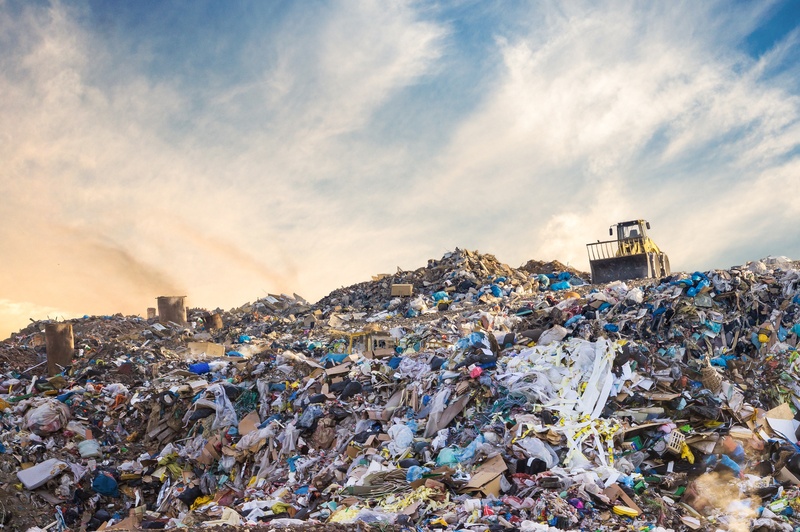
What are some possible negative effects of using landfills?
bacteria and garbage run-off
contamination of drinking water
nutrients improve soil quality
recycling increases
Pollution and storm run-off in Richmond may end up...
in the Chesapeake Bay
in the Blue Ridge Mountains
in the Atlantic Ocean
in the Pacific Ocean
What is TRUE about renewable sources of energy?
Fossil fuels are an example
They are better for the environment than nonrenewables
Solar, wind, and hydroelectric are examples
They can be replaced as quickly as they are used
They will run out
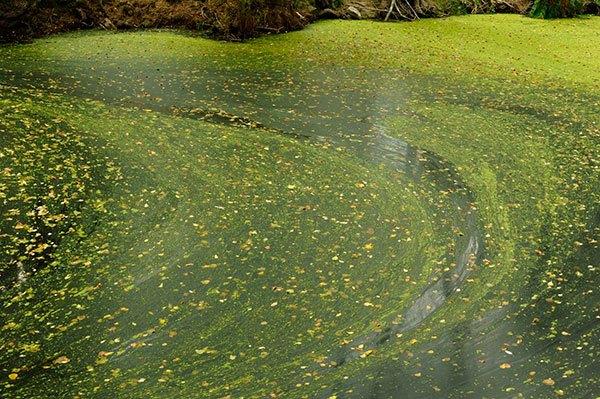
What is true about the conditions of a body of water undergoing eutrophication?
high nutrients; low algae; low oxygen
high nutrients; high algae, low oxygen
low nutrients; high algae; high oxygen
low nutrients; low algae; low oxygen
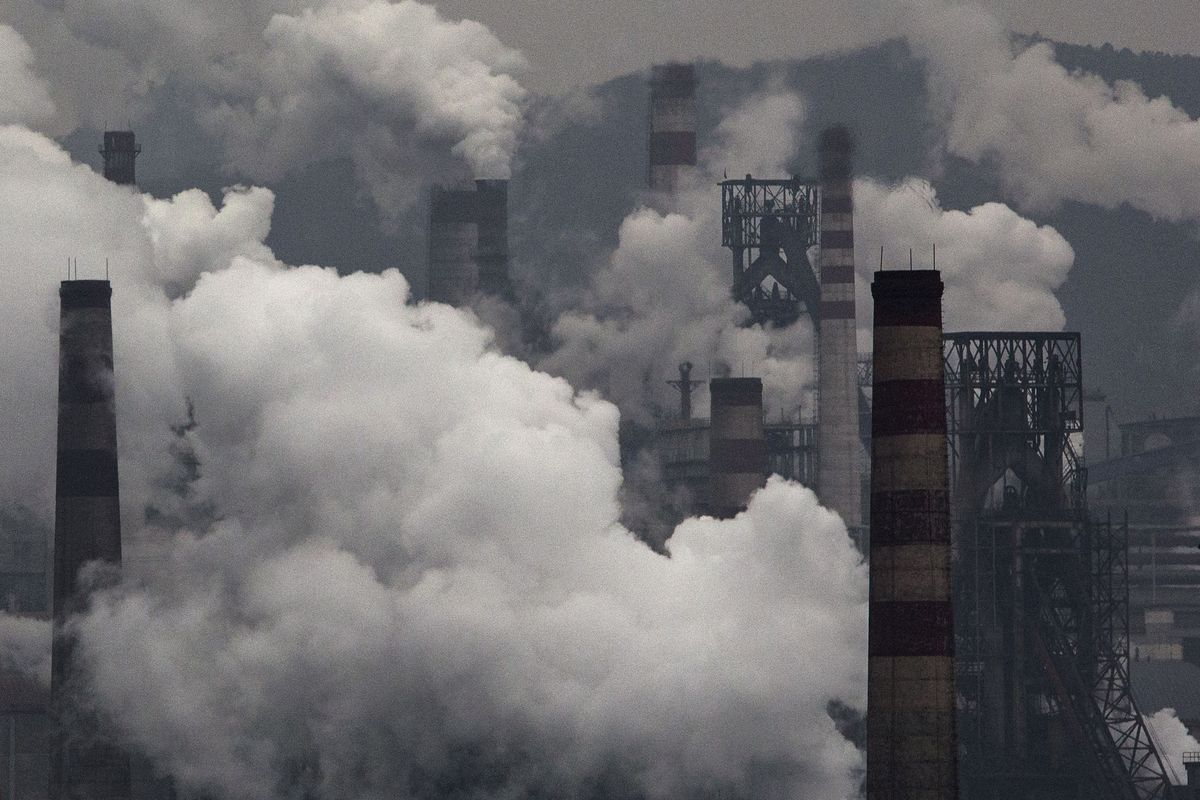
Pollution caused by a coal factory most directly affects the...
ocean
soil
atmosphere
groundwater
If Virginia's population continues to increase, what type of ecosystem will most likely be destroyed? (hint: think of what biome we are in)
forest
wetlands
prairie
marine
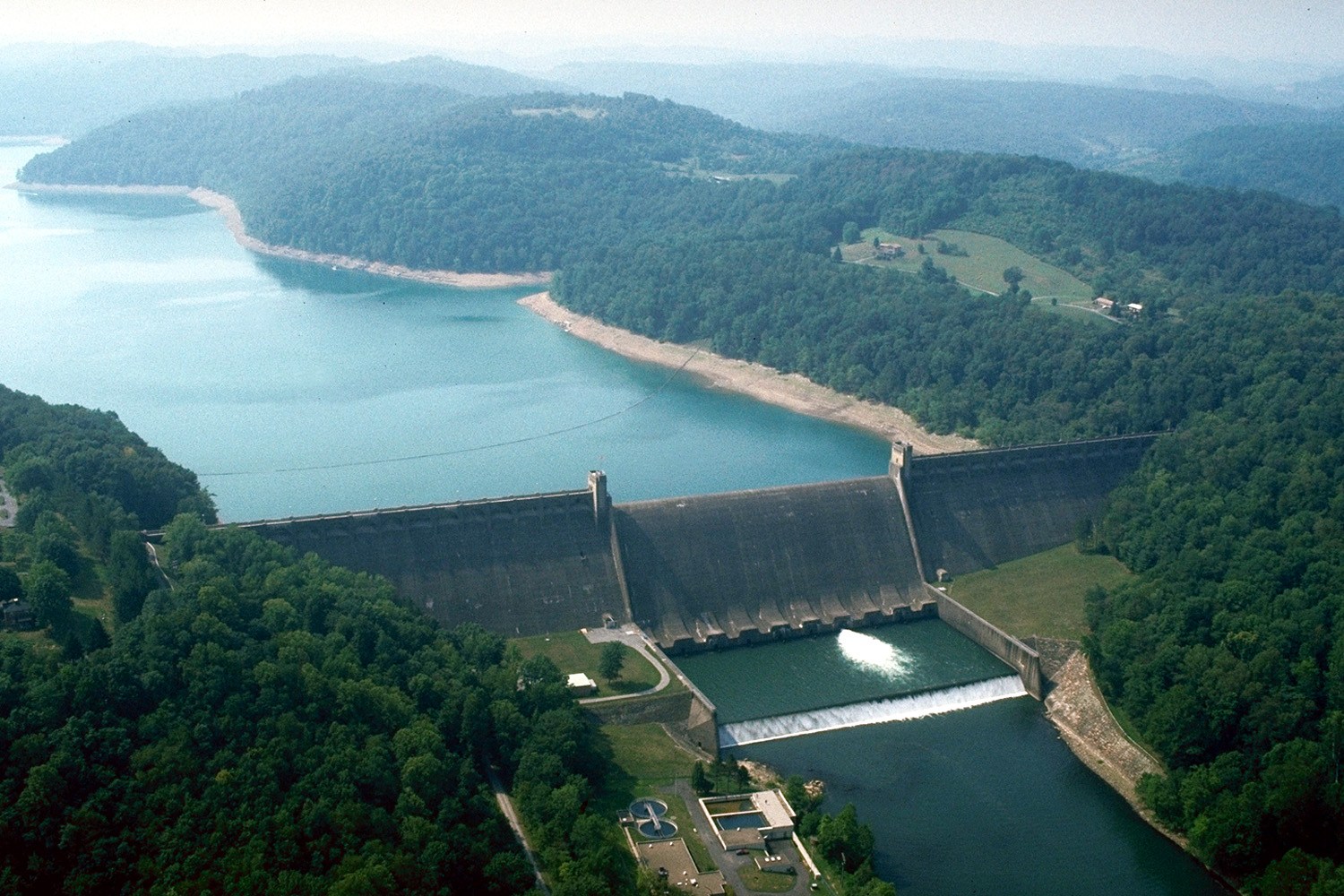
If a river is dammed, what effect would this have on the river?
The river ecosystem below the dam would be changed.
The entire river ecosystem would be changed.
The river ecosystem above the dam would be changed.
The river ecosystem would not be changed.
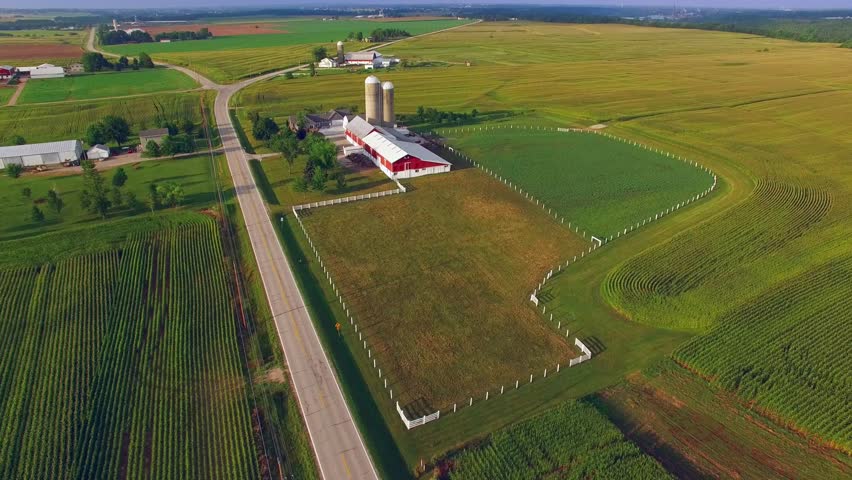
What happens to any forest ecosystem when the land is cleared for farming?
The forest ecosystem will be destroyed.
The forest ecosystem will be healthy.
The forest ecosystem will be relocated.
The forest ecosystem will be unaffected.


Which of the following statements about how minerals are used is FALSE?
Aluminum is frequently used in batteries, ammunition, glass, and ceramics.
Desirable properties of metals are combined in ores.
Nonmetals are used for many purposes around the world.
Rubies are nonmetallic minerals prized for their beauty.
Ore minerals can form in all of the following places EXCEPT
at the surface of an area that was once covered by water
at the bottom of a water body
in fractures within rocks
in a bed of hot, flowing lava
Sand, gravel, and granite are examples of
metallic minerals
metallic elements
nonmetallic minerals
aluminum
Which of the following describes a metallic mineral?
silver
a mineral that conducts electricity, has a shiny surface, and is opaque
copper
all of the above
A company is likely to mine a site if the site
is rich in minerals
contains gold
contains minerals that can be extracted economically
does not contain gangue minerals
Which of the following minerals is NOT available commercially
ore minerals
gangue minerals
metallic minerals
nonmetallic minerals
___ are pure substances that cannot be broken down into simpler substances by ordinary chemical means.
Minerals
Compounds
Crystals
Elements
Which of the following statements about minerals is FALSE?
Minerals have a crystalline structure.
Humans can create minerals to suit specific needs.
Minerals are inorganic materials.
Minerals cannot be liquids or gases.
The following are steps a mining company is likely to follow. One step is premature (listed too soon). Which step is listed too soon?
Step 1: Search for suitable mining sites.
Step 2: Make a geological map of the potential site.
Step 3: Take rock samples at the site.
Step 4: Start mining.
Which of the following would be the most economical method for subsurface mining a deposit of salt?
room-and-pillar mining
longwall minng
solution mining
quarrying
In longwall mining,
a network of entries is cut into seams of ore deposits
ore is mined downward, layer by layer
a shearer is moved back and forth across the face of the seam
hot water is injected into the ore to dissolve the ore, and then air bubbles lift the ore to the surface
Open pits called _______ are used to mine stone and gravel.
overburdens
cyanide heaps
solar evaporation ponds
quarries
A technology that was developed in the 1850s and that used water cannons to remove gold from ancient riverbeds covered with soil is called
solar evaporation
hydraulic mining
placer minng
open-pit mining
_____________ often form at bends in a river where the water flows more slowly and heavier materials are likely to settle out.
Dredges
Placer deposits
Seams
Fans
Flux and slag occur in the process of
smelting
undersea mining
placer mining
hydraulic mining
Which phrase best describes hydraulic mining performed int California goldfields in the 1850s?
great success
environmental disaster
environmentally friendly
clean process
Which of the following mining methods would most likely be used to mine salt?
room-and-pillar mining
quarrying
solar evaporation
open-pit mining
The way in which a mineral reflects light
streak
luster
hardness
A naturally formed, inorganic solid that has a definite crystal structure
Rock
streak
mineral
The manner in which a mineral breaks along curved or irregular surfaces
streak
cleavage
fracture
A measure of the ability of a mineral to resist scratching
hardness
luster
streak
The splitting of a mineral along smooth, flat surfaces
fracture
cleavage
hardness
The color of the powder of a mineral
hardness
streak
luster
Mass divided by volume
streak
density
hardness
When we tested minerals in class, we used a nail, a penny, and our fingernail to test the ___________________ of the mineral
streak
hardness
The _______________________ of a mineral can be metallic or nonmetallic.
luster
color
When testing the ________________________of a mineral, we can use the white or black plate and look at the color of the powder the mineral left behind.
hardness
streak
The scale that measures the hardness of a mineral
Linear scale
bathroom scale
Moh's scale

Scientists use mineral ________________ to identify and classify minerals.
pieces
names
properties
structures

