wayground logo

Free Printable Worksheets

Font size

S
M
L
XL
Worksheets

7th Grade Science LEAP Study Questions

Total questions: 86

Worksheet time: 2hrs 12mins

Name
Class
Date
1.

Why do we have season changes?

a)

we slowly move further away from the sun.

b)

the earth tilts at different angles as it moves around the sun.

c)

global warming

2.

what is the invisible rod that the earth rotates on?

a)

lunar pole

b)

axis

c)

earths center rod

3.

which of these is not part of the water cycle?

a)

Evaporation

b)

Condensation

c)

Transpiration

d)

Cementation

4.

Snow, sleet, hail, and rain are all examples of ________________.

a)

Evaporation

b)

Precipitation

c)

condensation

d)

accumulation

5.

What Factors impact global temperatures over time?

a)

Distance from Sea

b)

latitude

c)

Closer to the sun

d)

warmer area

6.

Which is a Physical change?

a)

Color

b)

Rusting

c)

Burning

d)

Reactions with acid

7.

In genetics, a lower case letter...

a)

is the dominant gene

b)

is the recessive gene

8.
amino acids
a)
molecules that are the building blocks of proteins
b)
a molecule made of carbon and oxygen atoms
c)
the ability to make things move or change
d)
a type of energy storage molecule made of many glucose molecules connected together
9.
carbon dioxide
a)
a molecule made of carbon and oxygen atoms
b)
the body’s use of molecules for energy and growth
c)
a molecule that organisms can use to release energy, and that is made of carbon, hydrogen, and oxygen atoms
d)
a type of energy storage molecule made of many glucose molecules connected together
10.
cellular respiration
a)
the chemical reaction between oxygen and glucose that releases energy into cells
b)
the body system that takes in oxygen and releases carbon dioxide
c)
a group of atoms joined together in a particular way
d)
the body system that takes in food and breaks it down
11.
chemical reaction
a)
a process in which atoms rearrange to form new substances
b)
a set of interacting parts forming a complex whole
c)
a proposed answer to a question about the natural world
d)
a claim supported by evidence
12.
circulatory system
a)
the body system that transports molecules to and from all cells of the body
b)
the body system that takes in oxygen and releases carbon dioxide
c)
the body system that takes in food and breaks it down
d)
the body’s use of molecules for energy and growth
13.
claim
a)
a proposed answer to a question about the natural world
b)
the process of making clear how your evidence supports your claim
c)
a claim supported by evidence
d)
a set of interacting parts forming a complex whole
14.
digestive system
a)
the body system that takes in food and breaks it down
b)
the body system that transports molecules to and from all cells of the body
c)
the body system that takes in oxygen and releases carbon dioxide
d)
the body’s use of molecules for energy and growth
15.
energy
a)
the ability to make things move or change
b)
the chemical reaction between oxygen and glucose that releases energy into cells
c)
the body’s use of molecules for energy and growth
d)
a claim supported by evidence
16.
evidence
a)
information about the natural world that is used to support or go against (refute) a claim
b)
a proposed answer to a question about the natural world
c)
the process of making clear how your evidence supports your claim
d)
a claim supported by evidence
17.
glucose
a)
a molecule that organisms can use to release energy, and that is made of carbon, hydrogen, and oxygen atoms
b)
molecules that are the building blocks of proteins
c)
a molecule made of carbon and oxygen atoms
d)
a category of large molecules that perform important functions inside living things
18.
metabolism
a)
the body’s use of molecules for energy and growth
b)
the chemical reaction between oxygen and glucose that releases energy into cells
c)
a claim supported by evidence
d)
the chemical reaction between oxygen and glucose that releases energy into cells
19.
molecule
a)
a group of atoms joined together in a particular way
b)
a set of interacting parts forming a complex whole
c)
the process of making clear how your evidence supports your claim
d)
a proposed answer to a question about the natural world
20.
oxygen
a)
a molecule that organisms get from the air or water around them and use to release energy
b)
molecules that are the building blocks of proteins
c)
a type of energy storage molecule made of many glucose molecules connected together
d)
a molecule made of carbon and oxygen atoms
21.
proteins
a)
a category of large molecules that perform important functions inside living things
b)
the chemical reaction between oxygen and glucose that releases energy into cells
c)
a proposed answer to a question about the natural world
d)
a type of energy storage molecule made of many glucose molecules connected together
22.
reasoning
a)
the process of making clear how your evidence supports your claim
b)
a proposed answer to a question about the natural world
c)
a claim supported by evidence
d)
a set of interacting parts forming a complex whole
23.
respiratory system
a)
the body system that takes in oxygen and releases carbon dioxide
b)
the body system that transports molecules to and from all cells of the body
c)
the body system that takes in food and breaks it down
d)
the body’s use of molecules for energy and growth
24.
starch
a)
a type of energy storage molecule made of many glucose molecules connected together
b)
a category of large molecules that perform important functions inside living things
c)
a process in which atoms rearrange to form new substances
d)
a set of interacting parts forming a complex whole
25.
system
a)
a set of interacting parts forming a complex whole
b)
a proposed answer to a question about the natural world
c)
the ability to make things move or change
d)
the process of making clear how your evidence supports your claim
26.

If a person is breathing normally, which of the following could prevent him from using his body to exercise normally?

a)

A Not getting enough sunlight, because cells need sunlight to function

b)

B Not getting enough sleep, because the body only makes energy for exercise while asleep

c)

C Not eating enough food, because cells need molecules from both food and air to work

d)

D Nothing, because he would be able to exercise normally as long as his cells are getting molecules from the air

27.

Rico, a scuba diver, uses breathing gear to help him breathe air underwater. He always gets enough sleep and eats a good breakfast before a dive. What could happen if his breathing gear broke during a dive and he could not breathe as much air as usual?

a)

A It would be difficult to swim, because his cells cannot work without molecules from air.

b)

B It would not affect him because his cells are getting the different types of molecules they need from food to work properly.

c)

C It would not affect him as long as he slept enough.

d)

D It would not affect him because his body can function normally even if his cells do not have molecules from air.

28.

Raoul ate a meal of oats before seeing his doctor. Oats are made of mostly starch molecules. Raoul feels tired, so his doctor gave him a test and found that Raoul’s cells contained glucose molecules, but they did not contain enough oxygen molecules. Does this explain why Raoul feels tired?

a)

A No, something else must be wrong because his cells have all the molecules they need.

b)

B Yes, his digestive system is breaking down starch molecules, but his respiratory system may not be working properly.

c)

C Yes, his respiratory system is working, but his digestive system is not getting energy from combining glucose molecules.

d)

D Yes, his digestive system is working, but his respiratory system is not breaking down oxygen, so his body stopped making energy.

29.

Doctors tested a patient to find out what molecules were in her cells. Her cells contained normal levels of amino acids, normal levels of oxygen molecules, and low levels of glucose molecules. Will this patient be able to exercise normally?

a)

A Yes, her cells just need to combine amino acids to release energy.

b)

B No, her cells need to combine glucose into starch molecules to release energy.

c)

C No, her cells need glucose to react with oxygen to release energy.

d)

D Yes, her cells just need oxygen to release energy.

30.
the starting materials in a chemical reaction
a)
Products
b)
Reactants
c)
Starters
d)
Enders
31.
The substances listed on the right side of a chemical equation are the
a)
Yields
b)
Reactants
c)
Products
d)
Precipitates
32.

The process by which one or more substances change to produce one or more different substances

a)

Chemical Process

b)

Reactant

c)

Chemical Reaction

33.
What are Chemical Reactions?
a)
It's when you mix substances.
b)
a process in which atoms rearrange to form new substances
c)
When something bubbles.
d)
letter and numbers showing the types and number of atoms
34.
In this image, what are the information in red is called the_______.
a)
Product
b)
Reactant
c)
Chemical Subscript
d)
Coefficient
35.
In this image, what are the information to the right of the arrow (in black) is called the_______.
a)
Product
b)
Reactant
c)
Chemical Subscript
36.
The law of conservation of mass states that....
a)
Matter can be made
b)
Matter can be destroyed
c)
Matter can neither be made or destroyed
d)
Matter can evaporate
37.

The change of one state of matter to another is called

a)

Osmosis

b)

Phase Change

c)

Matter

d)

Energy

38.

Transition from a liquid to a gas

a)

Condensation

b)

Freezing

c)

Evaporation

d)

Melting

39.

Gas condenses to a liquid

a)

Evaporation

b)

Melting

c)

Freezing

d)

Condensation

40.

What happens to molecules when their kinetic energy increases?

a)

The molecules move slower

b)

The molecules move faster

c)

The molecules get heavier

d)

It depends on the type of molecule

41.

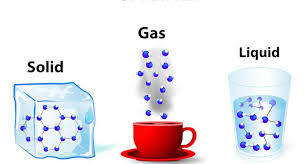
Three containers with the same amount of the same material are shown below. Which container has the substance with the highest amount of energy?

a)

The container on the left

b)

The middle container

c)

The container on the right

d)

All have an equal amount of energy

42.

Three containers with the same amount of the same material are shown below. Which container has the substance with the lowest amount of energy?

a)

The container on the left

b)

The middle container

c)

The container on the right

d)

All have an equal amount of energy

43.

When you boil water in a pot, some of the water escapes as steam. Which of the following choices explains what is happening with the water molecules in this scenario?

a)

The molecules slow down as the kinetic energy increases and move farther apart from one another.

b)

The molecules slow down as the kinetic energy decreases and move closer together.

c)

The molecules speed up as the kinetic energy increases and the molecules move farther apart from one another.

d)

The molecules speed up as the kinetic energy decreases and the molecules move closer together.

44.

Which statement best describes what happens when heat is added to a substance?

a)

Energy moves out of the substance causing the molecules to slow down.

b)

Energy moves out of the substance causing the molecules to speed up.
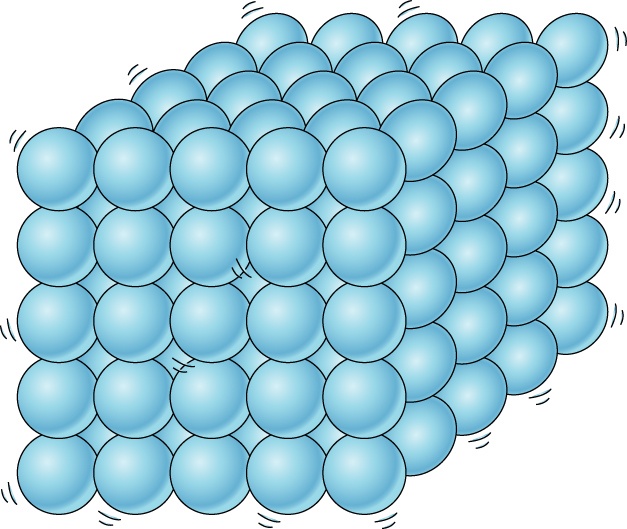
c)

Energy moves into the substance causing the molecules to slow down.

d)

Energy moves into the substance causing the molecules to speed up.

45.

What state of matter?

a)

Solid

b)

Liquid

c)

Gas

d)

Plasma!!!

46.

What state of matter?

a)

Solid

b)

Liquid

c)

Gas

47.

What state of matter?

a)

Solid

b)

Liquid

c)

Gas

48.

Cold air is denser than warm air, so it sinks. What kind of pressure area does this create?

a)

Dense pressure

b)

High pressure

c)

Low pressure

d)

No pressure

49.

What kind of weather is associated with high air pressure?

a)

Clouds and rain

b)

Clouds without rain

c)

Clear skies

d)

Tornadoes

50.

When the air has reached 100% humidity, what will most likely follow?

a)

Fog

b)

Lightning

c)

Rain showers

d)

Wind

51.

What do hurricanes, tornadoes, and thunderstorms all have in common?

a)

Cold temperatures

b)

Low air pressure

c)

Storm surge

d)

High air pressure

52.

The sun warms a large area of an ocean. This causes a large amount of water to evaporate into the air. Which weather event might occur?

a)

Tornado

b)

Hurricane

c)

Tidal Wave

d)

Freezing rain

53.

Both El Nino and La Nina have this in common

a)

Influence birds that migrate over the ocean

b)

Influence rainy / dry weather world wide

c)

The weather at the polar regions

d)

The directions that ships travel in the oceans

54.

The picture represents a(n) ___ event.

a)

El Nino

b)

La Nina

c)

Non-El Nino (normal conditions)

55.
El Nino occurs when the tropical ocean waters are warmer in which ocean?
a)
Atlantic
b)
Indian
c)
Pacific
d)
Arctic
56.
Where weather occurs.
a)
stratosphere
b)
thermosphere
c)
troposphere
d)
mesosphere
57.
Where we live.
a)
stratosphere
b)
thermosphere
c)
troposphere
d)
mesosphere
58.
As you go higher in the troposphere, the temperature _______________.
a)
decreases
b)
increases
c)
stays the same
d)
gets very hot
59.
The higher you go, the air becomes _____ _____.
a)
More dense
b)
Less dense 
60.
In which layer of the atmosphere would you find the top of Mount Everest?
a)
Troposphere
b)
Stratosphere
c)
Mesosphere
d)
Thermosphere
61.

What are the products of cellular respiration? Choose 3.

a)

water

b)

ATP

c)

Oxygen

d)

Sunlight

e)

Carbon Dioxide

62.

The process in which a cell harvests energy from glucose and makes it into usable energy for the body is called-----

a)

cellular fermentation

b)

anaerobic respiration

c)

aerobic fermentaion

d)

cellular respiration

63.

Which organ in a cell produces a large amount of ATP through cellular respiration?

a)

chloroplast

b)

mitochondrion

c)

nucleus

d)

ribosome

64.

During cellular respiration, energy is released from food. What else does the cell need for this process to take place.

a)

carbon dioxide

b)

oxygen

c)

sunlight

d)

nitrogen

65.

Most energy that is released during respiration is produced in the ____

a)

sky

b)

mitochondria

c)

stoma

d)

chloroplast

66.

These properties describe a ___.

a)

solid

b)

liquid

c)

gas

67.

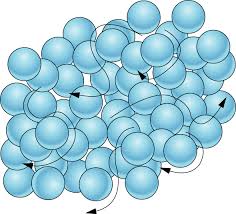
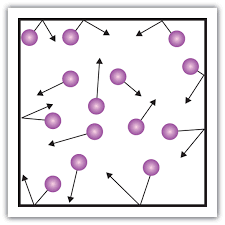
These properties describe a ___.

a)

solid

b)

liquid

c)

gas

68.

These properties describe a ___.

a)

solid

b)

liquid

c)

gas

69.

The more energy that particles have, the ___ they move.

a)

slower

b)

faster

70.

The particles of ___ generally have the least amount of energy.

a)

solids

b)

liquids

c)

gases

71.
Of these three states of matter, which one has the most kinetic energy? 
a)
Solid 
b)
Liquid 
c)
Gas
72.
Is burning wood a chemical or physical change?
a)
chemical
b)
physical
73.
Is glass breaking a chemical or phyiscal change?
a)
chemical
b)
physical
74.
Is a a rusting bicycle a chemical or physical change?
a)
chemcial
b)
physical
75.
Is hammering wood together to build a house a chemical or physical change?
a)
chemical
b)
physical
76.
the starting materials in a chemical reaction
a)
Products
b)
Reactants
c)
Starters
d)
Enders
77.
The substances listed on the right side of a chemical equation are the
a)
Yields
b)
Reactants
c)
Products
d)
Precipitates
78.
What are Chemical Reactions?
a)
It's when you mix substances.
b)
a process in which atoms rearrange to form new substances
c)
When something bubbles.
d)
letter and numbers showing the types and number of atoms
79.

In order for an equation to be balanced, there must be ...

a)

an equal amount of atoms on both sides

b)

a greater mass on the product side

c)

a greater mass on the reactant side

d)

elements with the same atomic # on both sides

80.
When an organism completely dies out, it is called.....
a)
Adaption
b)
Extinction
c)
Fossilization
d)
Mutation
81.
The preserved remains or physical evidence of an organism that lived in the past are called...
a)
evolutionary features
b)
fossils
c)
mutations
d)
variations
82.
Which beneficial variation would be most helpful in a desert environment?
a)
white fur
b)
claws for burrowing
c)
grean and black camouflage
d)
flippers
83.
What is it called when an organism is best adapted to its environment, it will survive and reproduce more successfully than other organisms less adapted?
a)
cloning
b)
evolution of all species
c)
natural selection
d)
selective breeding
84.
Survival of the Fittest and Evolution were proposed by what scientist?
a)
Charles Darwin
b)
Albert Einstein
c)
Steven Hawking
d)
Isaac Newton
85.
Where the better adapted organisms survive to pass traits along to offspring.
a)
Evolution
b)
Natural Selection
c)
Extinction
d)
Artifical Selection
86.
What is the advantage of having different shaped beaks?
a)
To look different from other species.
b)
To be able to eat the food readily available in the environment.
c)
To protect itself against predators.
d)
To protect itself against prey.