
NEW
Font size
 Worksheets
Week 2 Term 1 (Topic 2.1)
Total questions: 26
Worksheet time: 16mins

Diagram 4 shows the graph of volume of carbon dioxide gas against time when 5 g of marble chips is added to
50 cm3 of 0.2 mol dm-3 hydrochloric acid.
At what time the rate of reaction the highest?
t1
t2
t3
t4

Diagram 7 shows a graph of the volume of gas produced against time for the reaction between zinc granules and hydrochloric acid.
The gradient of the graph decreases with time because
catalyst is not used
volume of mixture decreases
temperature of reaction decreases
concentration of hydrochloric acid decreases
Which of the following explains the meaning of effective collision?
The collision where its energy is less than the activation energy
The collision that has a low energy
The collision which takes place before a reaction can form the products.
The collision that has enough energy and correct orientation to form the products.
Which of the following is the meaning of activation energy?
The maximum energy that the particles need to produce effective collision
The amount of energy used by the particles during a collision
The minimum amount of energy that particles must have in order to produce the activated complex
The amount of kinetic energy of molecules during a collision
Why does a higher concentration increase the rate of reaction?
it increases the amount of reactants
it lowers the activation energy
it increases the energy of reactant particles
it increases the frequency of collisions
Increasing pressure causes the reacting particles
to bond together
to repel from each other
gain more kinetic energy
to move closer together
As the frequency of ________________ collision increases, the rate of reaction increases.
time
speed
effective
efficient

You add more bodies into a "mosh pit" to hope for more collisions. You have increased
temperature
concentration
pressure
catalyst

You make a space much smaller by increasing the ________________ hoping to increase the reaction rates.
temperature
concentration
catalyst
pressure
What is collision theory?
Molecules must collide in the correct orientation with enough energy to create products.
Molecules need enough energy to collide and react.
Atoms constantly collide and react.
The minimum energy needed for atoms to react
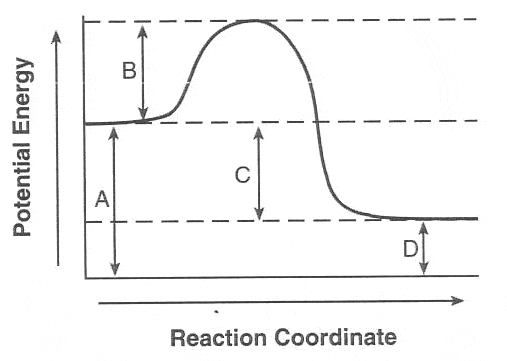
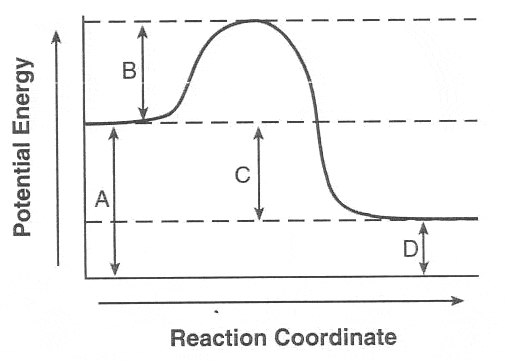
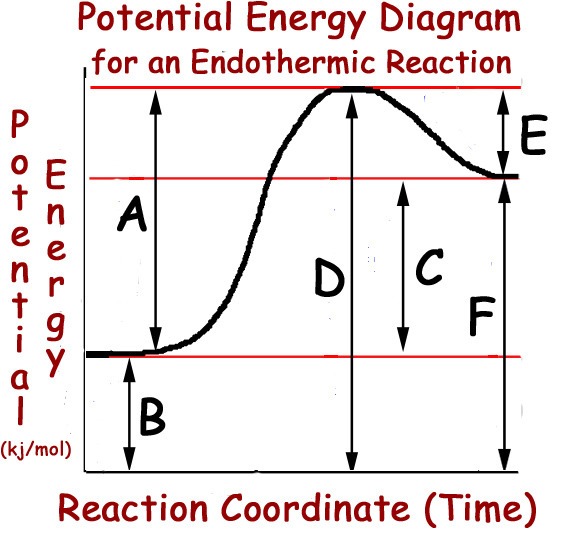
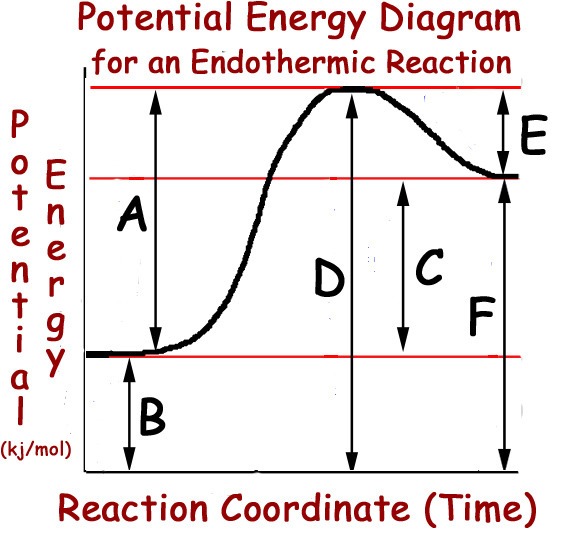
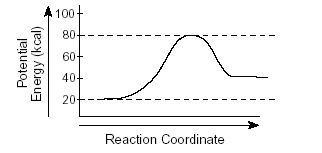
What is the ΔH of this reaction?
40 kJ
20 kJ
80 kJ
-60 kJ
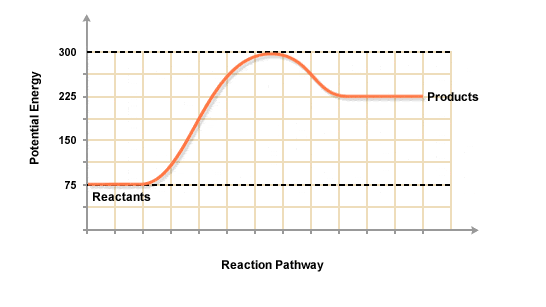
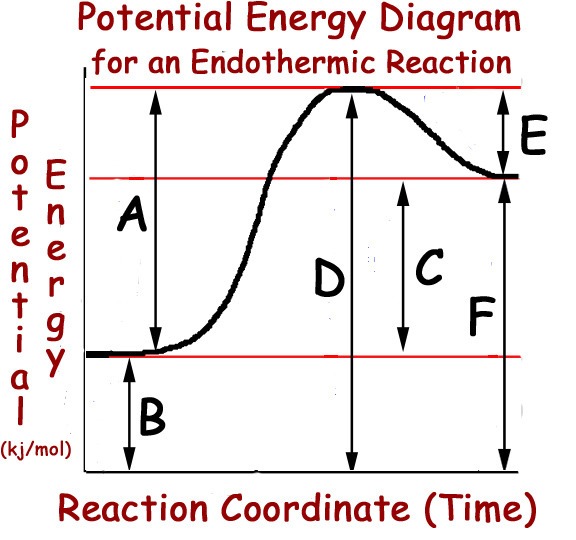
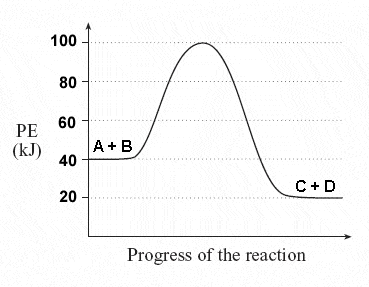
What is the change of the heat of the reaction (ΔH)?
-40 kJ
-20 kJ
100 kJ
60 kJ

In an endothermic reaction...
heat is released
heat is absorbed
In an exothermic reaction...
heat is released
heat is absorbed
What is the instantaneous rate of reaction
Is the reaction time instantly
Is the rate of reaction at any one particular time during the reaction
Is the rate of reaction at multiple times during the reaction
Is the rate of reaction initially during the reaction

