
 Worksheets
Unit 6 review
Total questions: 64
Worksheet time: 32mins
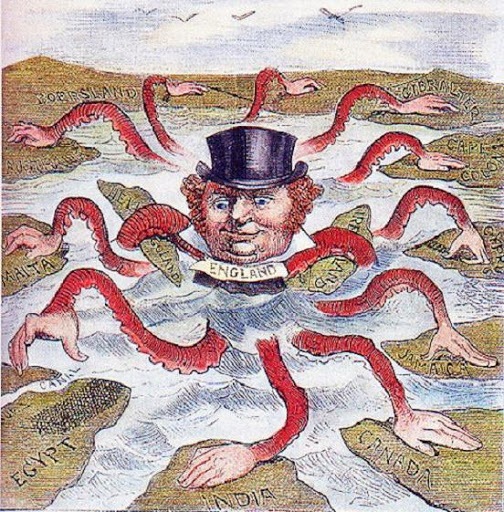
This image would best be represented by the following
"Take Up the White Man's Burden"
"The sun never sets on the British Empire"
"The Anglo Leviathan Rises"
"Germany over All!"
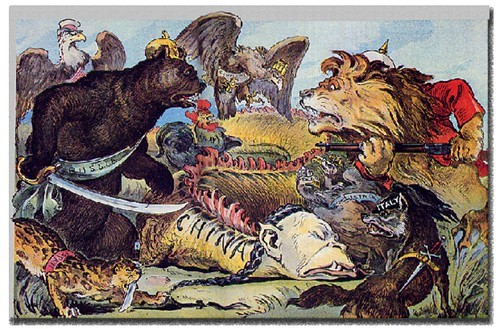
This represents
the strength of Chinese trade policy
the strength of British imperialism over all other nations
the Opium Wars
World War I
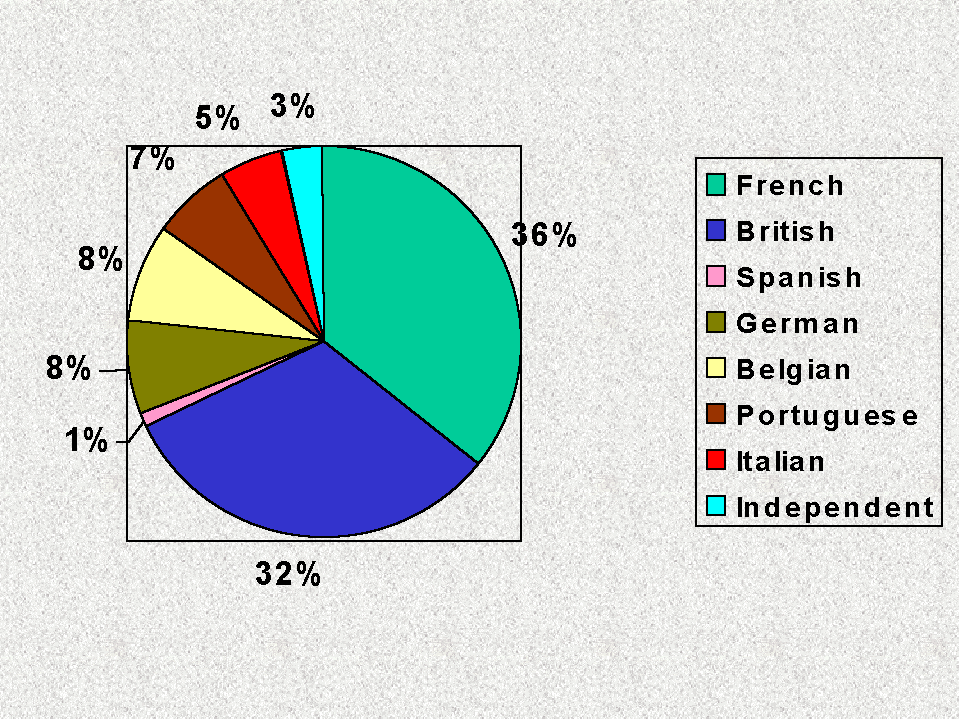
This likely represents
imperialism in Africa
imperialism in Asia
imperialism in the Americas
global imperialism
Which of the following is a protectorate
India
Uganda
Jamaica
Algeria
Which of the following is incorrectly paired
Angola - Portugal
South Africa - Britain
Tunisia - Spain
The Congo - Belgium
Which of the following solved the Congo Question?
The Congress of Vienna
The Berlin Conference
The Belgian Compact
The Anglo-Franco Pact
The Mahdi was a movment most associated with the control of
Sudan
Egypt
Indonesia
Australia
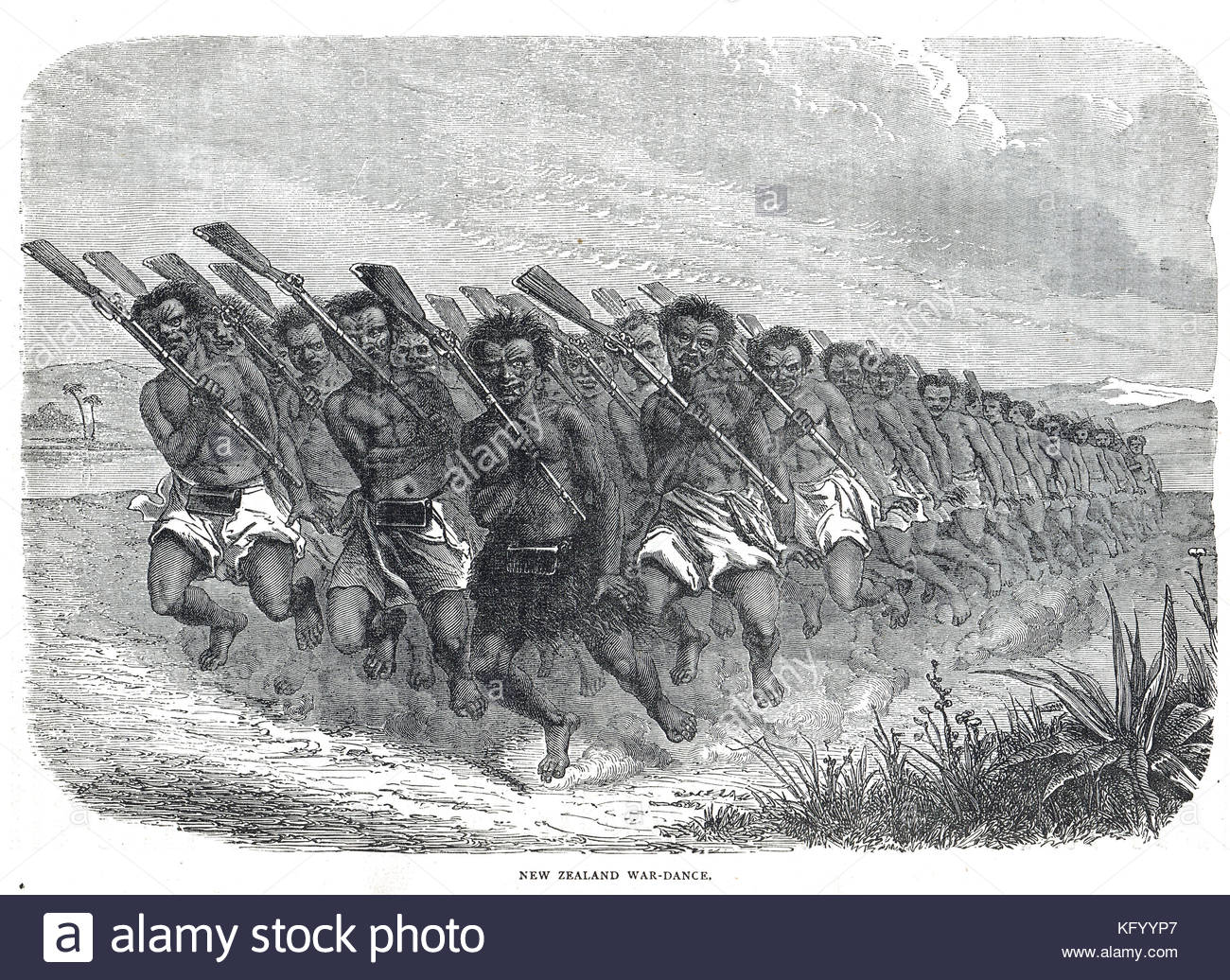
These Maori are going to war in
Australia
Indonesia
Kenya
New Zealand
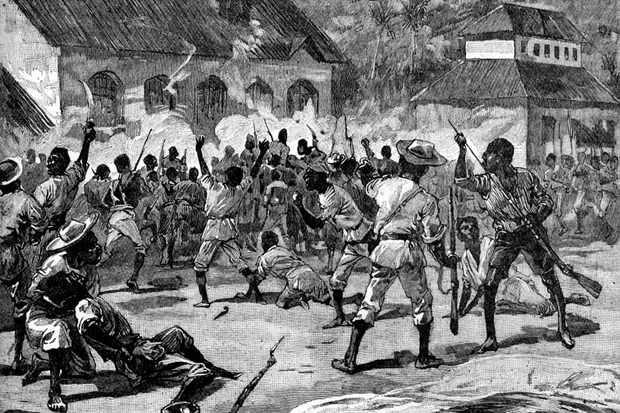
The Morant Bay rebellion seen here took place in
Trinidad
Haiti
Jamaica
Kenya
A Dominion Colony
must pay taxes to the mother country
must follow the mother country's trade laws
must support the mother country in times of war
must send tribute on an annual basis to the mother country
The indentured labor trade is often associated with workers from
China and India
Africa
Europe
none of the above
One of the major issues in forming India a a functioning colony was
religion
resources
labor shortages
disease
One of the major theoretical contributors to the justification of imperialism was
the Cathoic Church
Darwin's "Survival of the Fittest" theory
Karl Marx's theories
Adam Smith's ideas
The Sepoy Rebelion was caused by
gun cartriages
insensitivity to religion
cultural misunderstanding
all of the above
David Livingston
settled the first colony in Australia
settled Wellington in New Zealand
was a missionary in Africa
was a resident General in Egypt
Imperialism differed form the early 2 empire building periods in that
it was less aggressive
it was economic in nature
it was racist
it had more popular investment by citizens
France was most active in empire buiding in
North Africa
South Africa
China
The East Indies
Constant drought conditions in Southeast might act as a
pull condition for migration
push condition for migration
reason to pass exclusion acts
a increased desire to colonize the region
European migrants
largely went to America
largely went to Africa
largely returned to Europe
none of these
The Xhosa Cattle Killing Movement
resulted in Xhosa killing their own cattle by the 1000's
resulted in the slaughter of 1000's of British Cattle
is a metaphor for a horrible famine
occured in China during the Opium Wars
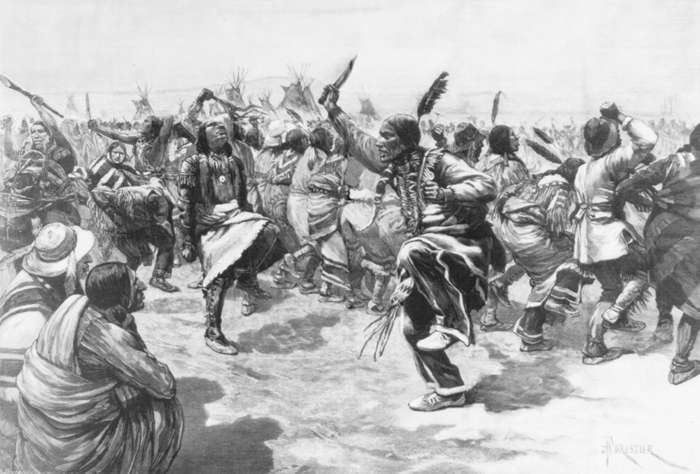
The Ghost Dance movement is related to
Lakota resistance
the masssacre at Wounded Knee
involved visions of an end to White expansion
all of the above
The Monroe Doctrine
supported US Imperial ambitions
supported the British control of India
solved the "Scramble for Africa" issue
made the Opium Wars worse
The following was responsible for expanding British holdings in Africa "from the Cape to Cairo".
David Livingston
Henry Stanley
Lord Kirchner
Cecil Rhodes
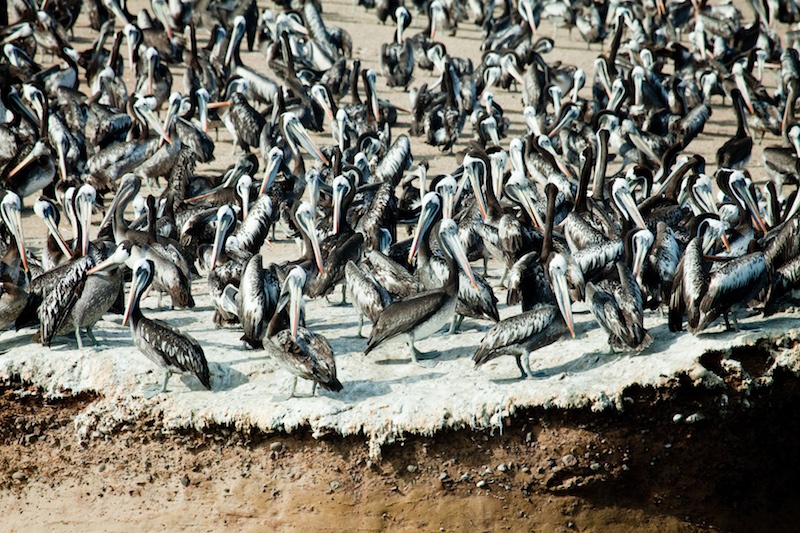
This image represents one of the most important industriesand exports in Peru in the industrial economy
Whale
Guano
Cotton
Rubber

Which country had the largest sphere of influence in Latin America during the Age of Imperialism?
United States
Spain
Mexico
England

Select ALL of the following tactics used in the Scramble for Africa.
Racially segregated concentration camps
European diplomacy through the Berlin Conference
Militarization of European troops
Equal opportunity trading alliances with local leaders

The economic system that prevailed from c. 1750-1900 was
Capitalism
Communism
Socialism
Mercantilism

What caused the Taiping and Boxer rebellions?
Foreign economic involvement in China
British selling opium to China
Indians refusing to touch the gunpowder pouches
Americans moving into West North America

What was Japan's response to foreign interference in the nineteenth century?
Adapt to Western politics and culture (Meiji Restoration)
Isolate themselves further by resisting and fighting
Became allies with the Chinese to become the dominant power in the region
Adapt to the ideas of the islanders and tribal people to resist

Which was a state regulation of immigration during the nineteenth century?
Chinese Exclusion Acts
Congo Free State
White New Zealand Policy
Jim Crow Laws

Which of the following was the primary reason that immigrants created ethnic enclaves?
Support and safety
Refusal to assimilate
Difficulty finding work
Segregation by the government

Which of the following descriptions is an accurate change over time in the period c. 1750-1900?
Once the leader in scientific and economic development, China fell behind Europe
Once the leading producer of porcelain, China fell behind India
Once a country that maintained an isolationist policy, China participated in the Scramble of Africa
Once a country that actively sought foreign converts to Buddhism, China became an atheist state

Which of the following resulted in colonies due to the Age of Imperialism?
A sense of independent nationalism
Planned invasions of European powers
Women's suffrage
A hesitation to industrialize

Why, in the time period c. 1750-1900, did European states fight to acquire overseas colonies?
To acquire raw materials to fuel their industrialization
To spread Enlightenment ideas
To abolish slavery worldwide
To stop the spread of Islam throughout the world

Who had to take on new societal roles as men left to find work in other countries?
Women
Eldest children
Grandparents
Uncles

Why did anti-colonial movements struggle to overthrow the imperial rule?
Social divisions
Less technological advancement
Loss of culture
Syncretism of religions

How were people able to migrate cheaper and faster?
New more affordable methods of transportation
Horses became more affordable for the common people
The elite paid for the lower class to migrate out of their country
Free trade policies made people wealthy in the countries

Which company took over other European states colonies in India?
British East India Company
British West India Company
Dutch East India Company
French East India Company

Why did European powers turn to indentured servants for labor?
The abolition of the slave trade
The shift in control in India to the British
The growth of industrialization in China
The success of the Atlantic revolutions

What did imperial powers sometimes try to impose on the natives they controlled?
European national identity
Resource native to Europe
Marxist ideas from Germany
European social hierarchy

In the time period c. 1750-1900, where did migrant workers typically seek work?
Industrial cities
Tropical plantations
Small grain farms
Uncharted territory, such as the Great Plains

What was a negative effect of migrants moving to new societies looking for work?
They would receive prejudice and racism from the people
They would lose their culture because of enclaves
They would return to their home societies after saving enough money
They would loss their connections to their home societies

Why did European powers divide Africa by diplomatic agreements between each other?
Fear of going to war because of fierce competition
Rapid population increase in European colonies in Asia
Atlantic revolutions lead Europeans states to seek new troops
Creation of transnational business fostered exchange of raw materials

Select all of the accurate pairings of imperialism in Southeast Asia.
Netherlands: Dutch East Indies
France: Indochina
Great Britain: Philippines
United States: Malaya
Select all of the accurate migration patterns in the time period c. 1750-1900.
*Migration group: reason, destination
British: prisoners, to Australia
Indian: indentured servants, to the Caribbean
Japanese: voluntary laborers, to South America
West Africans: slaves, to North America
Irish: plagued by famine, to Germany
Why, in the time period c. 1750-1900, did European states fight to acquire overseas colonies?
To acquire raw materials to fuel their industrialization
To spread Enlightenment ideas
To abolish slavery worldwide
To stop the spread of Islam throughout the world
What was Japan's response to foreign interference in the nineteenth century?
Adapt to Western politics and culture (Meiji Restoration)
Isolate themselves further by resisting and fighting
Became allies with the Chinese to become the dominant power in the region
Adapt to the ideas of the islanders and tribal people to resist
Why did European powers divide Africa by diplomatic agreements between each other?
Fear of going to war because of fierce competition
Rapid population increase in European colonies in Asia
Atlantic revolutions lead Europeans states to seek new troops
Creation of transnational business fostered exchange of raw materials
Select all of the countries who dominated others through Imperialism
Britain
Japan
China
United States
India
At what conference did the Europeans divide up Africa for their colonization?
Egypt Conference
London Conference
Belgium Conference
Berlin Conference
France was most active in empire buiding in
North Africa
South Africa
China
The East Indies
Imperialism is
ONLY economic control over peoples
ONLY political control over peoples
Policy or ideology of extending the rule over peoples and other countries
Why were European countries imperializing? (Choose 2).
Economic gain
A way to learn about other cultures
To befriend people different from themselves
Access to raw materials
How did state power shift in the modern era
settler colonies were established in New Zealand, South Africa, and America
European states expanded empires (French in West Africa, Belgium in the Congo, Britain in West Africa)
some states with existing colonies strengthened their control over those colonies
European states used both warfare and diplomacy to expand their empires
The US, Russia, and China expanded their land holdings by conquering and settling neighboring territories
The Monroe Doctrine
supported US Imperial ambitions
supported the British control of India
solved the "Scramble for Africa" issue
made the Opium Wars worse
Which of the following was not a motive of imperialism?
Economic Gain
Cultural Superiority
Democratic Governments
Feelings of Nationalism
What is the feeling of racial superiority, which motivated Europeans to "civilize" non-Europeans known as?
(a)
Conflict in South Africa between British and Afrikaners was known as . . .
Opium Wars
Boer Wars
Civil Wars
Berlin Wars
At what conference did the Europeans divide up Africa for their colonization?
Egypt Conference
London Conference
Belgium Conference
Berlin Conference
True or False: Japan did not play a role in colonizing or "imperializing" another region.
True
False

