
 Worksheets
February 17th Practice Exam - Respiratory, Digestive, and Circ.
Total questions: 52
Worksheet time: 33mins
The next set of questions will be on Cell Types, Levels of Organization, and Tissues.
Click on any image to contine.


Which of these lists parts of the body from smallest to largest?
Cell → Organs → Organisms → Tissues → Organ Systems
Cell → Tissues→ Organs→ Organ Systems → Organism
Cell → Tissues→ Organisms→ Organ Systems → Organs
Tissues → Cells→ Organisms→ Organ Systems → Organs
What is a group of cells that are alike and work together?
a cell team
a tissue
a cell family
Which is NOT a type of tissue in your body?
muscle tissue
nervous tissue
connective tissue
kleenex tissue
epithelial tissue

What is the function (purpose or job) of muscle tissues?
to allow movement
barrier that protects, absorbs or excretes
supports and attaches
processes and transmits information

What is the function (purpose or job) of nervous tissue?
to allow movement
barrier that protects, absorbs or excretes
supports and attaches
Sends and receives signals throughout the body

What is the function (purpose or job) of connective tissues?
to allow movement
barrier that protects, absorbs or excretes
supports and attaches parts of the body together
processes and transmits information

What is the function (purpose or job) of epithelial tissues?
to allow movement
barrier or lining that protects, absorbs or excretes
supports and attaches
processes and transmits information
On a scale of 1-4, how confident do you fell about the Levels of Organization/Tissues topic?
1 (I really need to study this again)
2 (I feel okay)
3 (Confident)
4 (Very Confident)
The next set of questions will be on the digestive system. Click on any image to continue.


physical breakdown of food
chemical digestion
esophagus
mechanical digestion

breaking down food with enzymes
chemical digestion
esophagus
peristalsis
Which of the following is the best synonym for "digestion"?
breaking down
building up
formation
respiration

where digestion begins
chemical digestion
mouth
mechanical digestion

Fancy word for throat.
Pharoh
Phelina
Phelddagrif
Pharynx

What organ stores bile?
Pancreas


Select all that apply: What nutrients are broken down by the juices released by the pancreas?
Carbohydrates
Valenteins
Fats
Proteins

What is the correct order of digestion?
Mouth - stomach - esophagus - Large intestine - Small intestine - anus - rectum
Mouth - esophagus - stomach - gall bladder - small intestine - rectum - anus - large intestine
Mouth - pancreas - stomach - rectum - gall bladder - small intestine - rectum - anus
Mouth - pharynx-esophagus - stomach - small intestine - large intestine - rectum - anus
Carbohydrates are used by the body......
to make immediate energy for the body in cellular respiration
to provide protection for vital organs
to help the small intestine absorb certain vitamins
Fats are used by the body.....
(CHECK ALL THAT APPLY)
to protect certain vital organs
for storeable energy
to help absorb certain vitamins
as immediate energy

Proteins are broken down into....
Simple carbohydrates
Amino Acids
Fatty Acids
Dwanyic Johnsonians

Cutting zucchini into smaller bits of zucchini is an example of......
A Chemical Change
A Nuclear Reaction
A Physical Change
No Change

Wood burning is an example of.....
A Physical Change
A Chemical Change
Spare Change
Nuclear Change
Which type of digestion breaks food into smaller pieces?
mechanical
chemical
On a scale of 1-4, how confident do you fell about the Digestive System topic?
1 (I really need to study this again)
2 (I feel okay)
3 (Confident)
4 (Very Confident)
The next set of questions will be on the Respiratory System. Click on any image to continue.


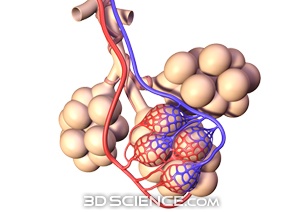
Where in your cells does Cellular Respiration take place?
Cell Wall
Chloroplasts
Ribosomes
Mitochondria
What are the reactants (ingredients) in Cell Respiration?
Water, Carbon Dioxide, Light
Oxygen and Glucose (sugar)
Salt, Water, Carbon Dioxide
What is one product of Cellular Respiration?
AGY
ATP
DNA
RNA

When you inhale, oxygen is sucked into to your alveoli.
What happens next?
Oxygen goes into your bronchioles
Oxygen goes into your mouth
Oxygen goes into the capillaries
When you inhale, oxygen is sucked into to your alveoli. The oxygen then moves into your capillaries.
What happens to carbon dioxide?
Carbon Dioxide moves into your stomach
Carbon dioxide moves into the alveolar sack
Carbon dioxide then is destroyed
Carbon dioxide then is digested
On a scale of 1-4, how confident do you fell about the Respiratory System?
1 (I really need to study this again)
2 (I feel okay)
3 (Confident)
4 (Very Confident)
The next set of questions will be on the Circulatory System. Click on any image to continue.


What are the red blood cells in the capillaries doing here?
picking up oxygen, and dropping off Carbon Dioxide
picking up Carbon Dioxide, and dropping off Oxygen
making more blood
increasing power to your brain
Arteries carry blood.....
away from the heart
toward the heart
only to the brain
only to the muscles
Veins carry blood.....
away from the heart
toward the heart
only to the brain
only to the muscles

Notice the capillaries that are going into the stomch lining. What is the blood doing here?
[Check all that apply]
Delivering Nutrients to the stomach cells
Delivering Oxygen to the stomach cells
Taking the carbon dioxide wastes made by the stomach cells
The job of the heart is to . . .
pump blood around the body.
send food to the small intestines.
break down food.
give energy to the body.
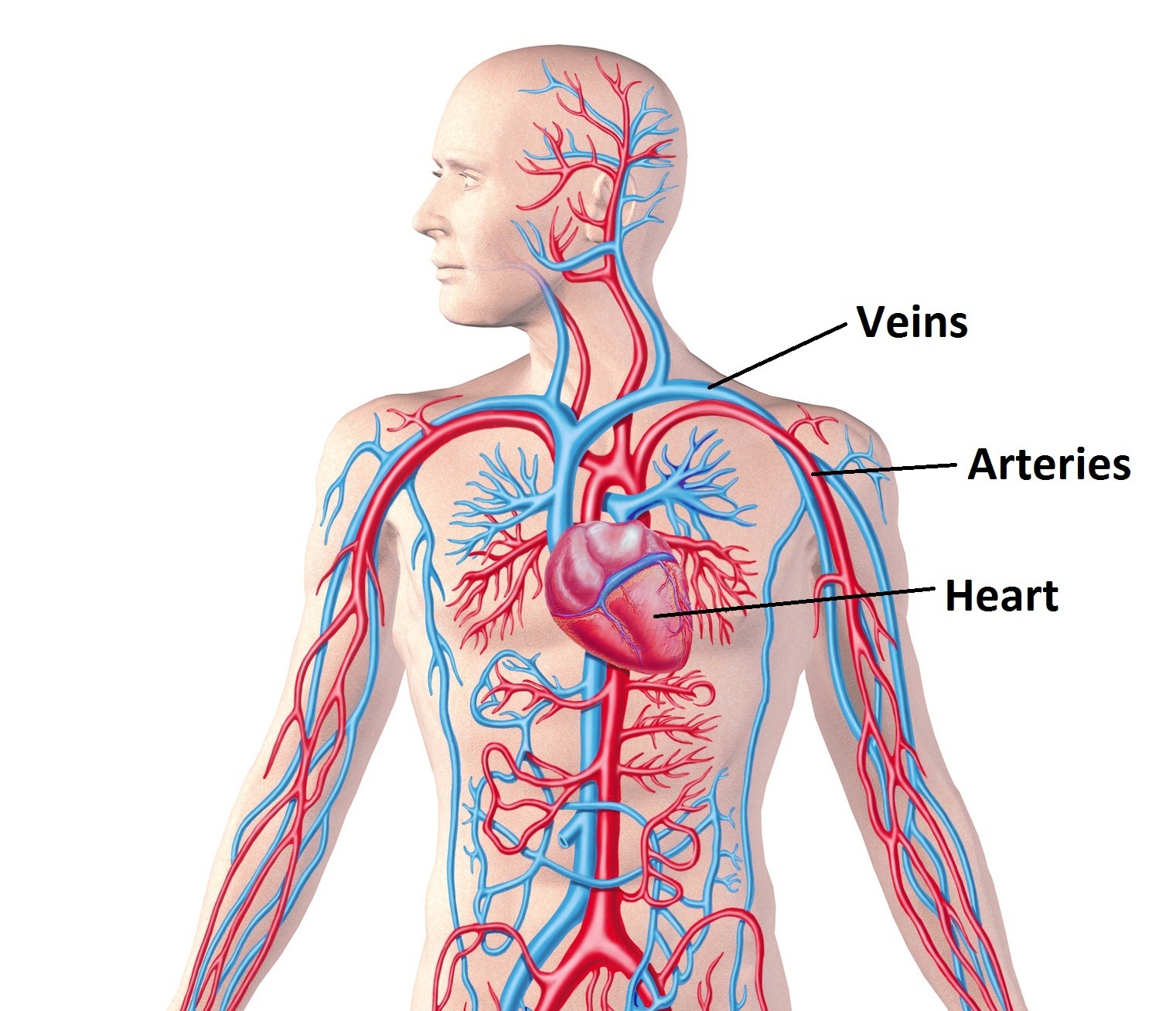
What is the circulatory system made up of?
Lungs, blood, blood vessels
Liver, kidneys, and stomach
Heart, Blood Vessels, and Blood
On a scale of 1-4, how confident do you fell about the Circulatory System?
1 (I really need to study this again)
2 (I feel okay)
3 (Confident)
4 (Very Confident)
Good Job completing the Quzizz. Thank you for taking the time.
Use this quizizz as an opporunity to figure out where your struggling the most.
What topics did you feel strong on? What topics did you feel you need more studying on?
Good Luck! Study Hard! Succeed Hard!


