
 Worksheets
africa
Total questions: 103
Worksheet time: 1hrs 6mins

Africa is the __________ largest continent in the world
first
second
third
fourth

How many countries make up the continent of Africa?
6
17
54
200
Africa is the most multilingual continent in the world. About how many different languages are spoken here?
20+
200+
1000+
2000+

What is a region?
Hint: we studied the region of Central Africa
A land ruled by one governement
A large solid area of land
A land that shares something in common
A direction

Most people in Africa speak African.
True
False

What African Country is this?
South Africa
Egypt
Nigeria
Chad

What African Country is this?
South Africa
Egypt
Nigeria
Chad

What was one motivation for European Imperialism in Africa?
the Atlantic Slave Trade
Access to the Congo.
natural resources and raw materials.

Why was salt so important to early African kingdoms?
Salt was used as medicine.
Salt aided in digestion.
Salt was used to preserve meat
It was used in soap as an exfoliator.

Poaching is _______.
illegal hunting of protected animals.
illegal smuggling of animals.
illegal trading of animals.

_________ are the most poached animal in the world.
Gorillas
Tigers
Elephants
Zebra

_______ is when a stronger country dominates a weaker country politically, economically, and socially.
Isolationism
Nationalism
Globalization
Imperialism

AFRICA IS ONE OF THE WORLD'S LARGEST CONTINENTS AND IS MADE UP OF 4 DIFFERENT GEOGRAPHIC REGIONS.THEY ARE????
rainforest, desert, grasslands, Ocean
rainforest, plains, grasslands, Ocean
rainforest, desert, grasslands, mediterranean
The two biggest religions in Africa were
Islam and Chiristianity
Christianity and Buddhism
Confucianism and Buddhism
Islam and Protestantism


During the 1800s, the ___________ colonized Africa
Americans
Europeans
Asians
Australians
What is Africa's largest river?
The Mississippi River
The Nile River
The Yellow River
The Congo River

A grassy area with some trees and large animals.
Savanna
Oasis
Sahel
Rain forest

What is the dry grassland located between the Sahara and the savanna?
Rain forest
Sahel
Desert

Africa was most likely colonized for what reason?
Economic profit
Access to raw materials
Valuable resources
All of them
Africa is a continent. It is not a country.
True
False
How many countries Africa have?
55
56
58
54

Africa was colonised by:
Mark all correct answers.
Dutch
French
British
Portuguese

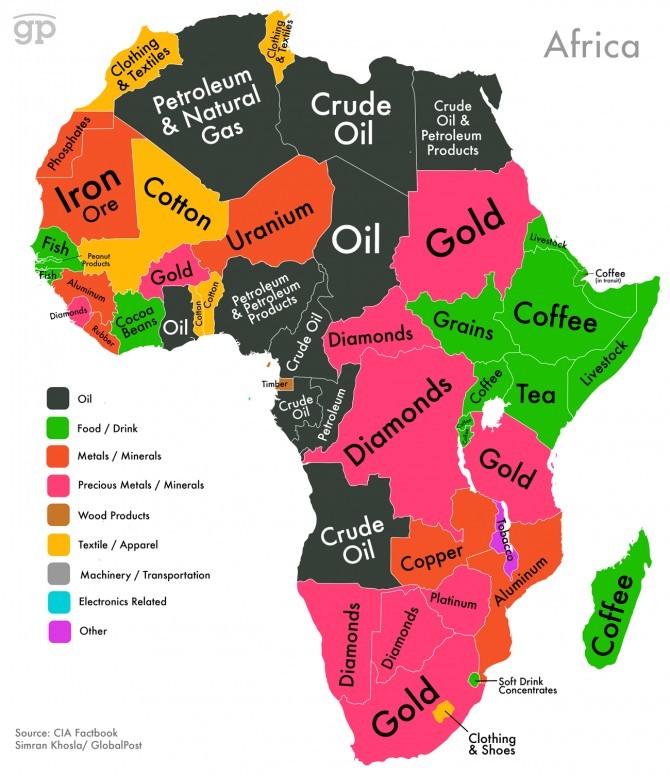
Diamonds are most plentiful on which continent?
America
Antarctica
Africa

According to the timeline, the order of empires in West Africa were:
Ghana, Mali, Songhai
Songhai, Mali, Ghana
Ghana, Songhai, Mali

According to the map, which two European countries had the most colonies in Africa?
Belgium and Great Britain
Italy and France
France and Germany
Great Britain and France
What is the leader of a parliamentary system often called?
king
president
governor
prime minister

The map shows the following region in Africa:
Saharan Africa
West Africa
Southern Africa

The map shows the following region in Africa:
Saharan Africa
West Africa
North Africa
East Africa

The region below the Sahara Desert is called
South Africa
Sub-Saharan Africa
Africa
Sudan

What was a major landform of Northern Africa?
Kalahari Desert
Sahara Desert
Rocky Mountains
Mt. Kilimanjaro

Which region is richest in oil?
West
North
West & Central
South

The Suez Canal connects the Red Sea with the:
Atlantic Ocean
Mediterranean Sea
Gulf of Suez

The Suez Canal makes the water route from Great Britain to India shorter by how many miles?
12,000 miles
7,000 miles
5,000 miles
Can not answer question with information provided

The dry grassland on the south edge of the Sahara
Sahel
Savannas
Genocide
Darfur


King Leopold II ruled what European country?
Belgium
Bosnia
Great Britain
Spain


Africa below (south of) the Sahara
Sub-Saharan Africa
Sahel
Savannas
Darfur

Extreme, widespread shortage of food
Great Rift Valley
Famine
Darfur
Apartheid

Which country practiced apartheid during the era of decolonization?
South Africa
Rwanda
Egypt
Somalia
Why is Africa NOT a wealthy continent?
They lack natural resources
Their resources were used to make other people wealthy
Their natural resources were depleted long ago
They lack useful natural resources


The Berlin Conference split up ________ among European nations.
Africa
Asia
Australia
South America

What happened in South Africa in 1994?
F.W. de Klerk was elected president
Nelson Mandela was elected the first black president of South Africa
Apartheid was made legal
Apartheid laws were renewed and made more strict.


What did industrialized European powers demand from their African colonies?
Raw Resources
Slaves
Independence
Manufactured Goods
Why did pro-imperialism Americans want to expand our territories?
To spread freedom and democracy.
To spread Christianity.
To scare other nations into doing what we wanted.
To gain raw materials and a market for our products.

Imperialism is __________.
when a powerful nation uses its resources to help a weaker nation
when a weaker nation invites a powerful nation to help it industrialize
when a powerful nation takes control of the economy and government of a weaker nation

Europeans were MOST interested in colonizing Africa in order to
Bring civilization
Take natural resources
Spread Christianity
Learn new languages

Europeans competed to take more land in Africa. Pride in one's country is called
Social Darwinism
White Man's Burden
Nationalism
Economics

At the Berlin Conference, Europeans decided how to
remove resources from Africa
divide up Africa
give power to African kingdoms
support African rulers

Who was not invited to the Berlin Conference
Britain
Germany
Spain
Africans

Based on these maps, how did Africa change under Imperialism?
Replaced African rulers with European rulers
Replaced subsistence crops with cash crops
European schools replaced African schools
Forced women and children to become slaves to the Europeans.

Based on the chart, how did the lives of the African people change after Europeans took over?
Focus on subsistence farming led to surplus
Focus on cash crops led to famine
Too many items that were sources of food
Too few items that were imports for Africa

The Berlin Conference split up ________ among European nations.
Africa
Asia
Australia
South America
What happened in South Africa in 1994?
F.W. de Klerk was elected president
Nelson Mandela was elected the first black president of South Africa
Apartheid was made legal
Apartheid laws were renewed and made more strict.
What did industrialized European powers demand from their African colonies?
Raw Resources
Slaves
Independence
Manufactured Goods
Imperialism is __________.
when a powerful nation uses its resources to help a weaker nation
when a weaker nation invites a powerful nation to help it industrialize
when a powerful nation takes control of the economy and government of a weaker nation
Europeans competed to take more land in Africa. Pride in one's country is called
Social Darwinism
White Man's Burden
Nationalism
Economics
At the Berlin Conference, Europeans decided how to
remove resources from Africa
divide up Africa
give power to African kingdoms
support African rulers
Who was not invited to the Berlin Conference
Britain
Germany
Spain
Africans
Based on these maps, how did Africa change under Imperialism?
Replaced African rulers with European rulers
Replaced subsistence crops with cash crops
European schools replaced African schools
Forced women and children to become slaves to the Europeans.
Based on the chart, how did the lives of the African people change after Europeans took over?
Focus on subsistence farming led to surplus
Focus on cash crops led to famine
Too many items that were sources of food
Too few items that were imports for Africa
Define "colony."
a country which is controlled by a more powerful country.
the policy of extending the rule or authority of an empire or nation over foreign countries, or of acquiring and holding colonies.
An area of land under the jurisdiction (rule) of a ruler or state.
Having power and influence over others.
Define "exploit."
To give someone their fair share of the credit or pay.
To clearly define something.
To treat unfairly by using someone’s work or ideas and giving them very little in return
A secret agreement or cooperation especially for an illegal or deceitful purpose
Define "partition."
The action of dividing or being divided into pieces.
To put or bring together so as to form a unit.
The action of becoming larger or more extensive.
To burst and force a way through.

Survival of the fittest concept applied to people. Led to the belief that the Europeans were a superior race. This concept can best be applied to which of the following?
The Scramble
The White Man's Burden
Quinine
Social Darwinism
Malaria is a disease caused by ____?
Rats
Lice
Mosquitos
Tropical Fever

During the 19th century, factories in Europe needed ____________ to create finished products.
man made resources
Legos
raw materials
roblox
Using one's power or position dishonestly in order to benefit personally.
dishonesty
corruption
kickback
bribe
A gift which is given to secure dishonest help or favouritism. E.G. buying your teacher shoes in exchange for good grades
bribe
bonus
presents
Christmas
The spread of ideas, customs, and technologies from one region to another
Apartheid
Civil War
Corruption
Cultural Diffusion

How rich was Mansa Musa?
He was the richest person in human history
He was richer than bill gates
He was the richest person from the past, but modern rich people beat him
He was the richest African

Mansa Musa's country of Mali was also rich in resources like.....
Gold and Salt
Iron and Food
Slaves and weapons
Camels and Books

What African country did Mansa Musa rule?
Libya
Brazil
Mali
Ghana
Which canal, which runs through Egypt, makes travel from Europe to Asia easier?
Sub-Saharan Canal
Great African Canal
Panama Canal
Suez Canal
Poor soil and deforestation cause more land to become
useless for farming and agriculture
unsuitable for building houses
good areas for cattle farming
better place to raise a family


This is the most populous country in Sub-Sahara Africa
South Africa
Nigeria
Gabon
Congo
Chad

How has the history of Sub-Saharan Africa contributed to political instability in some nations of the region?
The devastation of the Second World War has left some nations struggling to recover.
The end of European colonization left some nations struggling

According to the data, which country likely has the most developed economy?
Kenya
Nigeria
Rwanda
Uganda

How did the Industrial Revolution spur (increase) Europeans' desire to colonize Africa?
They needed more land.
They wanted to control everything.
They needed more raw materials.
A period of time when products go from home-made to machine made in factories.
agricutlure
industrialization
mathamatics
environmentalism


