
 Worksheets
Carbon cycle
Total questions: 15
Worksheet time: 8mins
Name
Class
Date
1.
What does NOT produce carbon dioxide?
a)
Photosynthesis
b)
Burning Fossil Fuels
c)
Animal respiration
d)
Plants decaying
2.
Organisms that do not decompose can be buried and become what?
a)
water
b)
nutrients
c)
air
d)
fossil fuels
3.
Carbon can be found in...
a)
The atmosphere
b)
Soil
c)
Fossil fuels
d)
All of the above
4.
Which of the following removes carbon from the atmosphere?
a)
Combustion
b)
Respiration
c)
Photosynthesis
d)
Death
5.
Respiration is the process by which animals take in _____ and release _____.
a)
photosynthesis, air
b)
carbon, oxygen
c)
oxygen
d)
oxygen, carbon dioxide
6.
The average temperature of the surface of Earth has increased approximately 1°C in the past century. Which reason best explains this increase in temperature?
a)
lower levels of ozone in the atmosphere
b)
lower levels of nitrogen in the atmosphere
c)
higher levels of carbon dioxide and other greenhouse gases in the atmosphere
d)
higher levels of oxygen in the atmosphere
7.
When humans burn fossil fuels, most of the carbon quickly enters the as carbon dioxide.
a)
Water
b)
Atmosphere
c)
Sun
d)
Air
8.
How do living organisms return carbon to the atmosphere in the carbon cycle?
a)
respiration and photosynthesis
b)
decomposition and respiration
9.

In the carbon cycle, producers take in the gas __
a)
carbon dioxide
b)
oxygen
c)
nitrogen
d)
carbon monoxide
10.
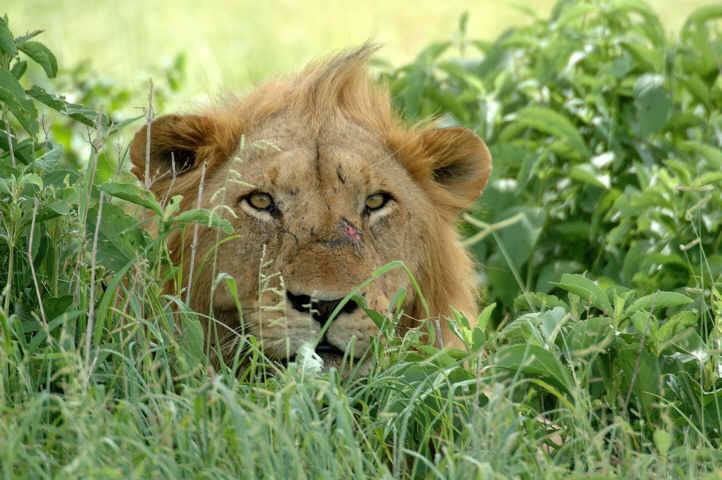
How does the carbon in grass become part of a lion?
a)
The lion eats the grass
b)
Carbon from grass doesn't end up in a lion.
c)
The carbon ends up in the lion's food chain.
d)
The lion breathes in carbon given out by the plant
11.

In the oceans; algae, plants, and other organisms use carbon from the atmosphere for ________________.
a)
respiration
b)
decomposition
c)
transpiration
d)
photosynthesis
12.

Organisms that die in the ocean may __________ to the bottom and form limestone rock of a period of time.
a)
sink
b)
float
c)
rise
d)
increase
13.

Ocean coral and oysters use carbon to create _________.
a)
oxygen
b)
shells
c)
leaves
d)
food
14.
Which of the following is the biggest carbon store?
a)
Plants
b)
Ocean
c)
Atmosphere
d)
Soil
15.

Select all of the storages of the carbon cycle
a)
Atmosphere
b)
Living organsisms
c)
Clouds
d)
Ocean
e)
Fossil fuels
100 %

