
Font size
 Worksheets
Review for Weather and Climate Unit
Total questions: 56
Worksheet time: 51mins
______ causes surface currents.
The Coriolis Effect
gravity
density differences
wind
______ causes deep ocean currents
The Coriolis Effect
gravity
wind
density differences
Decreasing ocean temperature causes the density of the water to ______.
decrease
increase
stay the same
fluctuate
_______ causes the Coriolis Effect
Earth's rotation
gravity
wind
density
The __________ is a surface current that flows along the eastern US and brings warm water to Europe.
California Current
Gulf Current
North American Gyre
Arctic Current
Gyres in the southern hemisphere are surface currents that turn _________ due to the Coriolis Effect.
clockwise
counterclockwise
toward the right
toward the bottom of the ocean
________ and _______ affect the ocean's density and cause the Global Conveyor Belt to travel
gravity and the Coriolis Effect
temperature and salinity
wind and climate
temperature and the Coriolis Effect
The more scientific name of the Global Conveyor Belt is _____.
halinethermal circulation
thermohaline circulation
thermodensity circulation
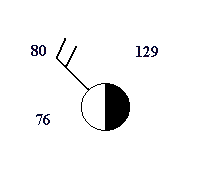
What is the temperature for the following station model?
4 ºF
76 ºF
80 ºF
129 ºF
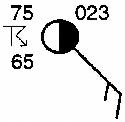
What is the dewpoint for the following station model?
10 ºF
23 ºF
65 ºF
75 ºF
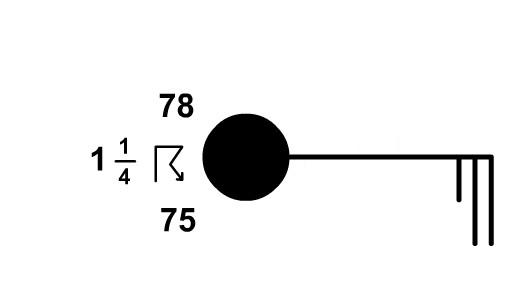
What is the present weather for the following station model?
rain
thunderstorms
drizzle
fog
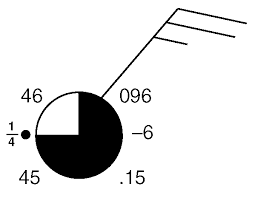
What is the amount of precipitation for the following station model?
.15 in
1/4 in
6 in
46 in
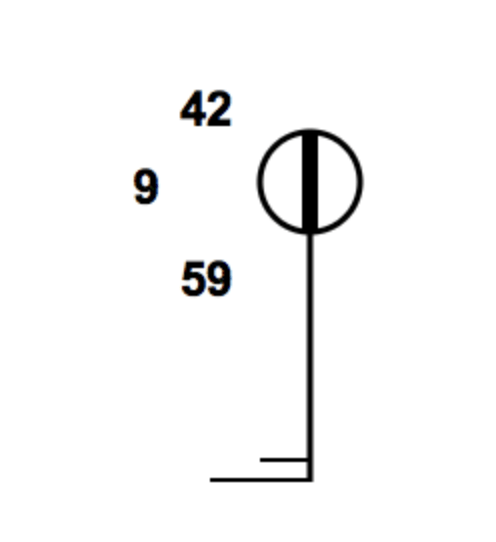
What is the visibility for the following station model?
1/2 mi
9 mi
42 mi
59 mi
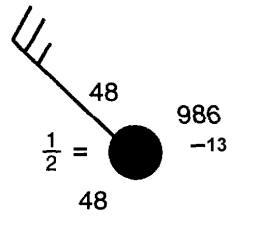
What is the wind direction for the following station model?
north
east
northwest
northeast
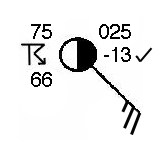
What is the wind speed for the following station model?
10 knots
15 knots
20 knots
25 knots
30° C is?
Hot
Nice
Cold
Ice
20° is?
Hot
Nice
Cold
Ice
10° is?
Hot
Nice
Cold
Ice
0° is?
Hot
Nice
Cold
Ice

Which is the desert climograph?
A
B
C
D
Which climograph has the most precipitation during the winter?
A
B
C
D
Which climograph has the most precipitation during the summer?
A
B
C
D
Which climograph has the largest degree difference between the average high and average low?
A
B
C
D
Which TWO climographs are closest to the equator (warmest)?
A
B
C
D

Which climograph do you think matches the place in the picture?


Which climograph do you think matches the place in the picture?


How does the climate at the base of the mountain differ from the climate at the top?
The base has a cooler, drier climate than the top.
The top has a wetter, warmer climate with higher air pressure.
The top has a colder, drier climate with lower pressure.
The base and the top have the same climate.
The 'L' in LAPDOG stands for:
Longitude
Latitude
Length from the sea
Length of the mountain
If there is a cold ocean current near a coastline there will be more likely to be what type of biome on that coastline?
Grassland
Desert
Tropical rainforest
Boreal forest
Which of the following gases IS NOT considered a greenhouse gas?
carbon dioxide
nitrogen
water vapor
methane
Which of the following have been linked to climate change? Pick only those that apply.
droughts
flooding
melting of polar ice caps
ocean acidification
all of the above
The main human activity that releases greenhouse gases is
buying bottled water
burning fossil fuels
current agricultural practices
eating red meat
Which of the following is contributing to an increase in carbon dioxide in the atmosphere?
deforestation
photosynthesis and respiration
oceans acidification
all of the above
Global temperatures have been increasing drastically?
since the Jurassic Era (time of dinosaurs) 65 million yr ago
since the advent of human kind.
since the industrial revolution.
Climate change is not real and there is not scientific evidence of temperature change.
The most effective thing you can do to help decrease global warming is?
Stop using bottled water, use a reusable cup/bottle.
Eat less red meat. Eat more plan based protein.
Car pool to school with your friends
Turn off your lights when you’re not using them.
Buy energy efficient appliances

