
Font size
 Worksheets
How can I smell things from a distance
Total questions: 45
Worksheet time: 23mins
What happens when you apply thermal energy (heat up something)?
The molecules move faster
The molecules slow down
The molecules stop moving
When you mix two substances together, and one is warmer than the other, what will be the outcome (result)?
The faster molecules of the hotter substance will collide with the slower molecules from the colder substance, And eventually, they will reach the same temperature (speed)
They will not mix, since a hot substance and a cold substance will not interact, due to the fact that the colder molecules are not moving
Hot things have ____________ thermal energy than cold things
more
less
same
potato
All matter is made up of atoms that are constantly moving
True
False

You have dropped your popsicle and are watching it become a LIQUID. Which answer BEST explains what PHASE CHANGE has occurred AND how the molecule MOVEMENT has changed?
The PHASE CHANGE that has occurred is CONDENSATION and the molecule MOVEMENT has become FASTER.
The PHASE CHANGE that has occurred is EVAPORATION and the molecule MOVEMENT has become SLOWER.
The PHASE CHANGE that has occurred is MELTNG and the molecule MOVEMENT has become FASTER.
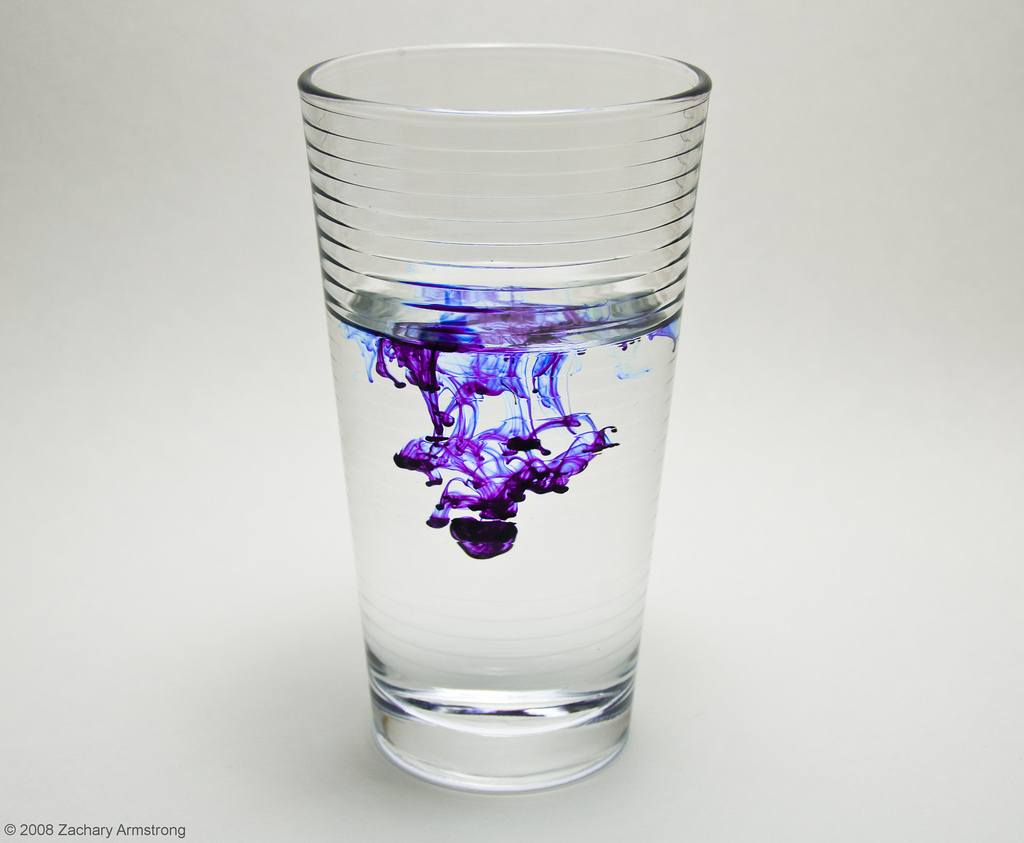
Where is there a low concentration of dye?
at the bottom of cup
in the dye
at the top of cup
at the sides of the cup
All odors move in the same way
True
False
Scientists sometimes add odors to odorless substances to keep people safe.
True
False
As you learn new information, these will change over time.
models
smells
words
. Volume is...
the amount of weight an object has
the amount of distance an object travels.
the amount of time an object uses.
the amount of space an object takes up.
Smelling an odor is important, because
you could smell something burning and protect yourself.
you could smell rotten food and not eat it.
you could smell a dangerous gas and move away from it.
all of the above.
All odors move by
attaching on to matter and being carried to different areas.
becoming part of the air and spreading out from the source.
doing nothing, actually odors don't move. People move to the odor.
sinking to the ground and embedding themselves in the flooring.
Odors have this in common:
They all move as part of the air.
They all stink.
Every person reacts to odors in the same way.
They all warn of danger.
The three most recognized states of matter are...
solid
liquid
gas
air
What happened to the menthol crystals as they first began to heat up?
moved around
turned to gas
turned to liquid
Which takes the shape of its container?
liquid
solid
gas
Which fills the volume of its container?
liquid
solid
gas
When a solid turns to liquid
melt
freeze
evaporate
boil
When a liquid turns solid
melt
freeze
evaporate
boil
When a liquid turns to gas
melt
freeze
evaporate
boil
The measurement of how much matter an object contains is its
volume
weight
mass
melting point
All odors move in the same way
True
False
As you learn new information, these will change over time.
models
smells
words
Which takes the shape of its container?
liquid
solid
gas
Which fills the volume of its container?
liquid
solid
gas
What happens to water molecules when they freeze from a liquid to a solid?
The molecules slow down
The molecules move faster
The molecules stop moving
The number of molecules increases
When you boil water, the steam that is made is actually
gaseous water
air
hydrogen and nitrogen
carbon dioxide
The molecules of a substance in a solid phase
are very far apart
are very close together
move very quickly
do not move at all
Water molecules in a gas phase _________ than in a solid phase.
are closer together
move very slowly
are farther apart
stand still
When the temperature of a gas is ___________, the molecules move slower.
increased
decreased

What is the image modeling?
gas compression
gas expansion
condensation
When gases are _________, the amount of space between the molecules decreases.
expanded
compressed
heated
Anything that has volume and mass is matter.
True
False
What state of matter has a rigid, fixed shape and fixed volume?
solid
liquid
gas
plasma
Odors are
in a gaseous state
made of particles
move in all directions
all of the above

Which model shows the particles of a liquid?
A
B
C
none of them
Which of the following models BEST describes how we are able to smell odors?


When a gas expands...
the spaces between the air decrease.
the spaces between the air stay the same.
the spaces between the air increase
it gets hotter.
If you have two tanks, you can figure out which one has the most gas in it because it has more mass.
True
False
Placing liquid water in the freezer will result in what phase change?
Condensation
Freezing
Ionization
Vaporization

