
 Worksheets
Matter and Periodic Table
Total questions: 38
Worksheet time: 31mins
Particles in an atom that are neutral and have no charge are _____.
negatrons
electrons
neutrons
protons
The positive particles of an atom are called _____.
electrons
positrons
neutrons
protons


Which colored particle is the electron?
blue
red
yellow
red and yellow

Use the picture to answer. What is the atomic mass of gold?
79
196.967
197
118

The first energy level, or valence shell can hold up to how many electrons?
8
4
2
5

Why do science models change?
Because the scientist was proven wrong and disowned by the science community
There was better evidence to prove the model was wrong
One person's opinion caused the entire model to change
New evidence was tested and supported, which modified the model

Where do the electrons hangout?
Electron Cloud
Nucleus
Atom Cloud
'everything is composed of "atoms," which are physically, but not geometrically, indivisible or atomos ; was stated by:
Democritus

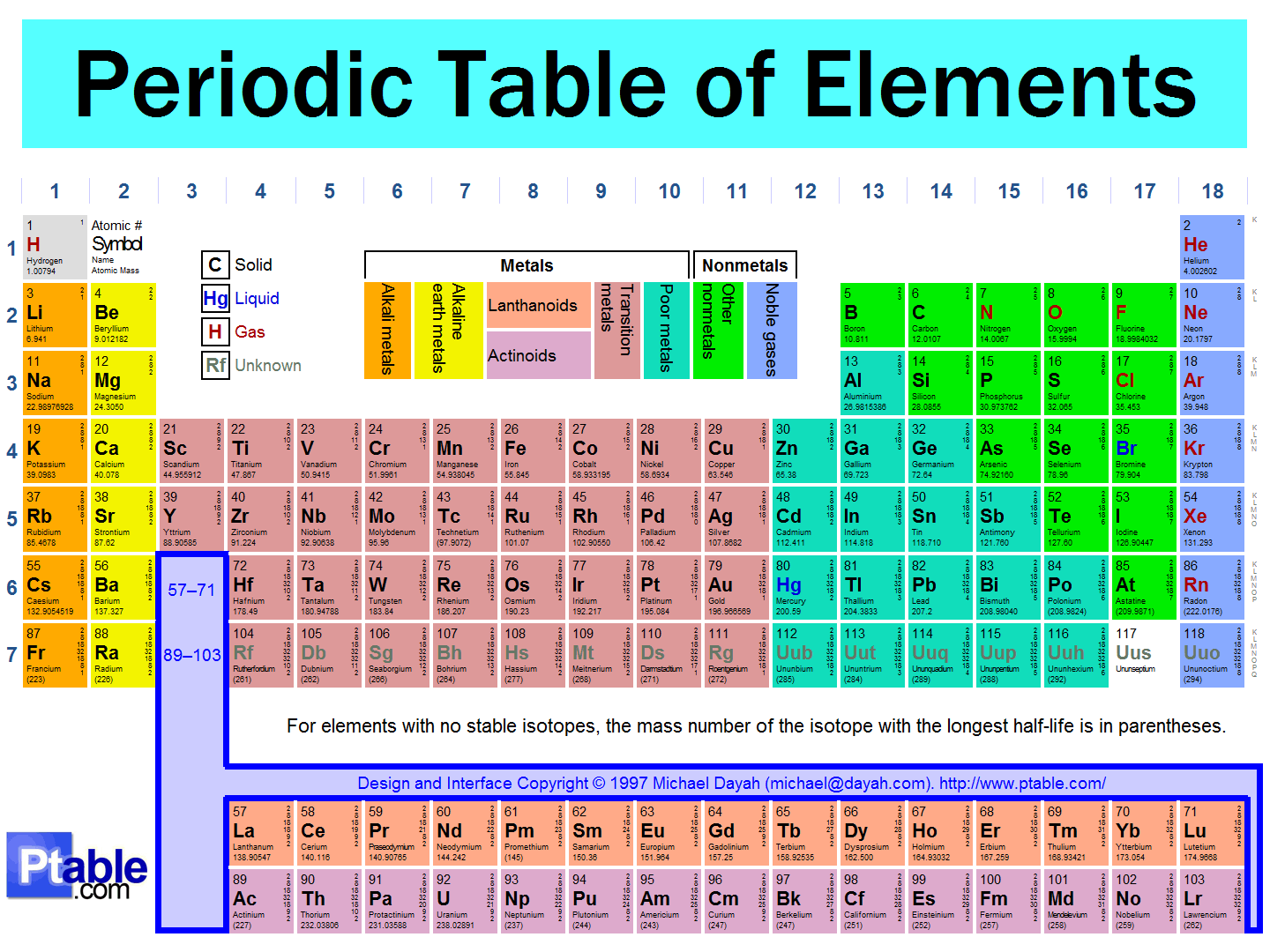
The vertical (up and down) columns in the Periodic Table are called
groups
towers
periods
atomic numbers

Elements in a .................or family are in the same column and have similar chemical properties.
Name this group: These metals are the most reactive and only have 1 valence electron to lose.


Which of the following could be properties of nonmetals? [More than one answer]
Poor electrical conductivity
Poor thermal conductivity
Dullness
Brittleness
In the modern periodic table designed by Mosely, elements are arranged by:
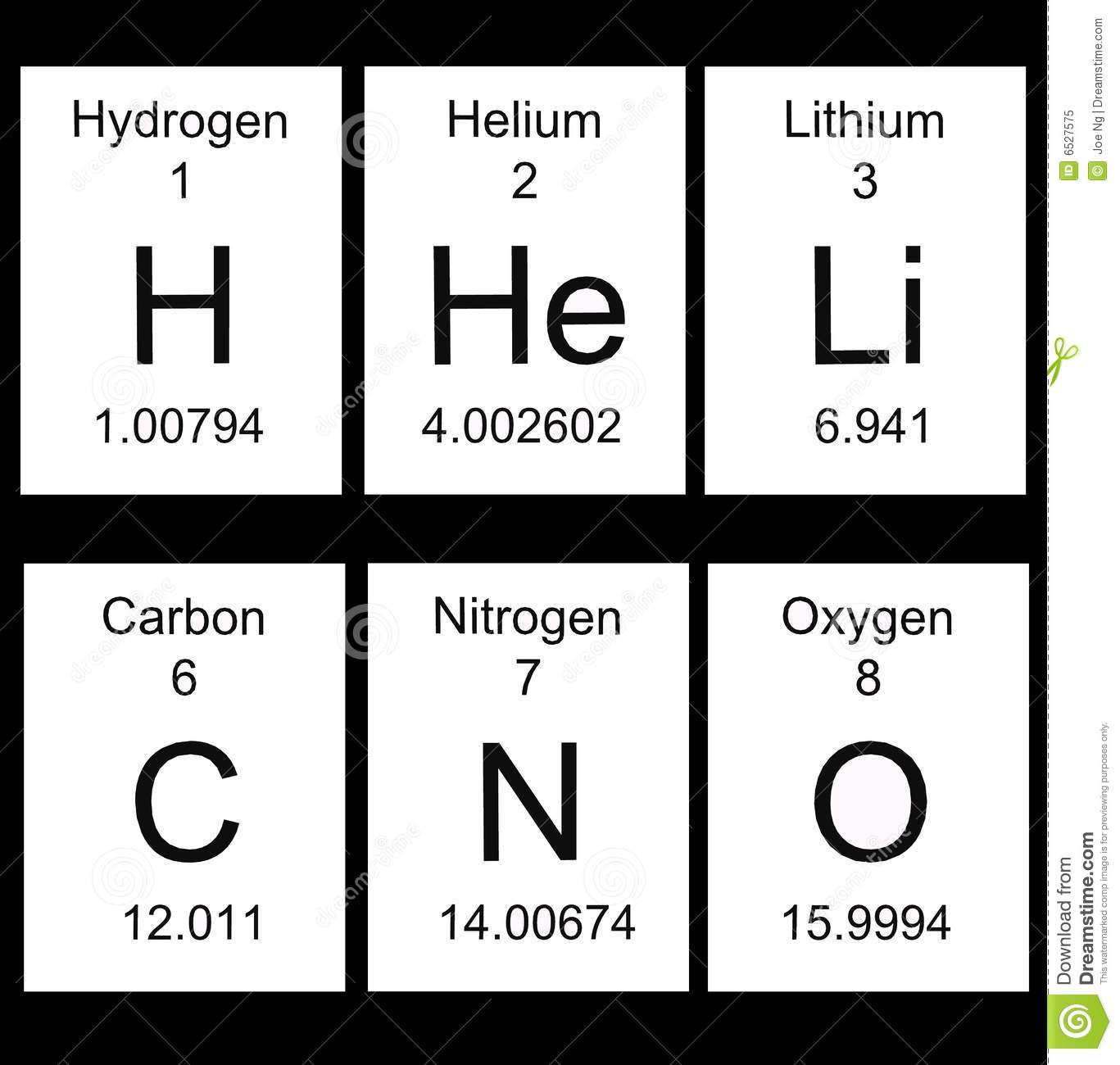

Using the periodic table. What Element has the Atomic number of 8?
Hydrogen
Helium
Oxygen
Neon
a collection of atoms of one type that cannot be broken down into simpler substances by ordinary chemical or physical means
elements
subatomic particles
electrons
matter
one of several forms of a single element, which contains the same number of protons, but different numbers of neutrons
isotope
ion
orbital
nucleus
Why do elements bond?
To be friends
To create a new element
To become stable
To get bigger

If an atom loses two electrons, what charge will it have?
The octet rules states that most elements want to have _____ valence electrons.
2
4
6
8


Chemical bond is ...
the physical mixing of two different atoms.
the force that holds two atoms together
the energy used up when two atoms combined.
the temperature that changes the phase of matter.

How many valence electrons does Oxygen (O) have?
6
8
15
16
elements always found to the LEFT of the jagged line on the periodic table.
metals
non-metals
metalloids
compounds
A compound is
a simple chemical
a simple chemical made of one type of atom
a simple chemical made up of different types of atoms
elements always found to the RIGHT of the jagged line on the periodic table.
non-metals
metals
metalloids
elements
elements that have properties of metals and non-metals; many of them directly touch the jagged line on the periodic table.
metalloids
mass
elements
compounds


