
 Worksheets
WG Quiz 16: Respiratory System Review
Total questions: 40
Worksheet time: 20mins
lung
tachea
alveolus
nose
diaphragm
alveolus
bronchi
trachea
alveoli
bronchi
larynx
pharynx

alveoli
diaphragm
lung
bronchi

nose
trachea
lungs
diaphragm
air moves into the lungs
air moves out of the lungs
1. larynx
2. nasal cavity
3. pharynx
4. trachea
Which of the following is the correct order that air would flow during inhalation.
alveoli
bronchi
bronchioles
lungs
trachea
pharynx
larynx
epiglottis

NUMBER 3:
pharynx
trachea
bronchi
alveoli

NUMBER 6:
lungs
trachea
nose
alveoli

NUMBER 2:
pharynx
bronchi
alveoli
lungs
When we breath in the diaphragm...
contracts and moves down
relaxes and moves down
relaxes and moves up
contracts and moves up
Where do we have our vocal cords?
In the larynx
In the pharynx
In the trachea
In the mouth
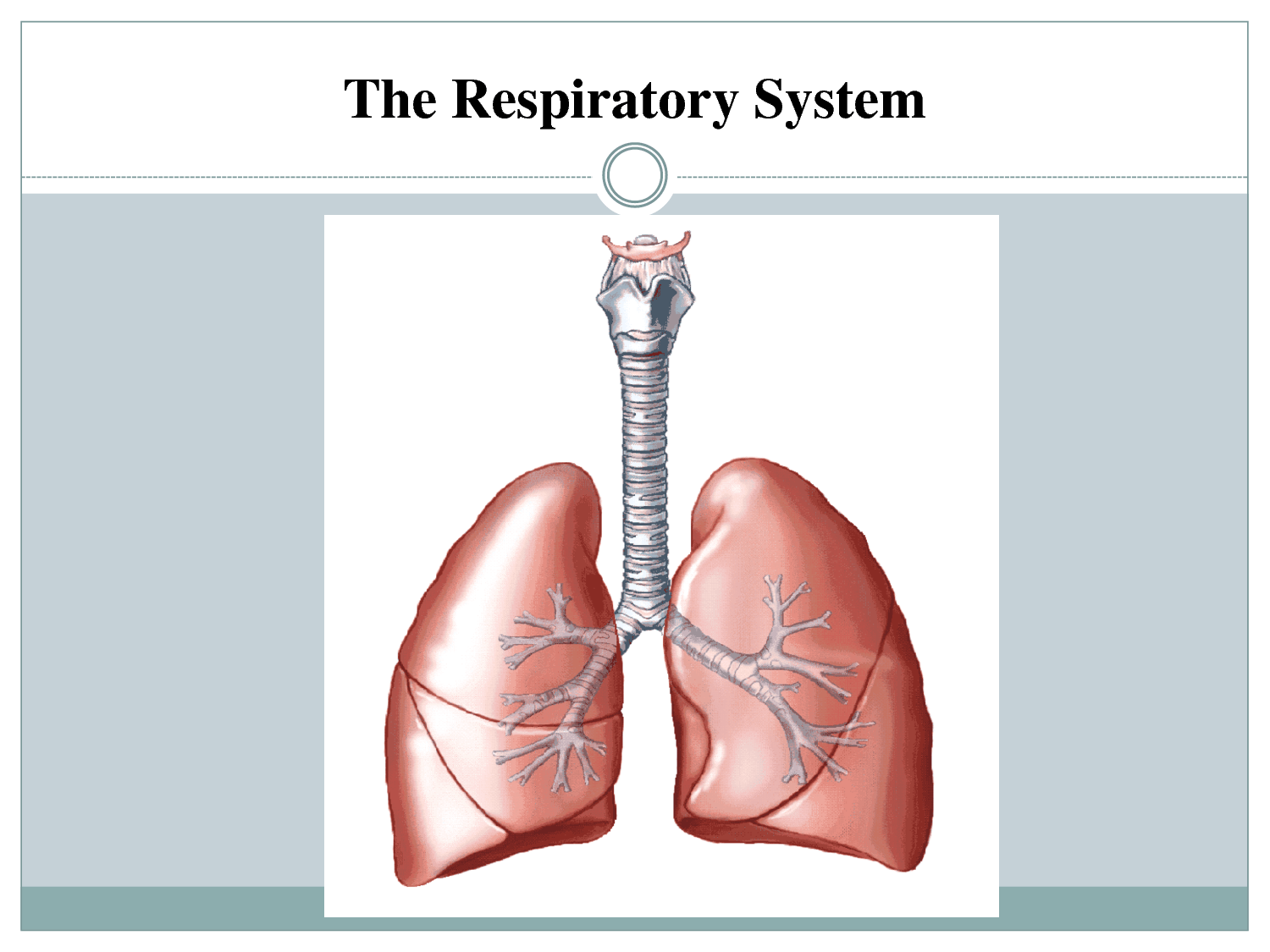
Which part of the Respiratory System plays a major role in speech?
nose
pharynx
larynx
trachea
When you exhale, the diaphragm
moves upwards
moves downwards
flattens
none of the above
nasal cavity
bronchi
pharynx
larynx
Inner membrane layer which covers the lungs
visceral pleura
alveolar ducts
alveoli
parietal pleura
Which sequence correctly indicates the branching pattern of the human respiratory system?
trachea -> bronchi -> bronchioles -> alveoli
trachea -> bronchioles -> bronchi -> alveoli
alveoli -> trachea -> bronchioles -> bronchi
alveoli -> bronchioles -> trachea -> bronchi
The cellular process which uses oxygen and sugar to produce energy is called
photosynthesis
cell division
cellular respiration
DNA replication
What is pulmonary ventilation?
A pneumothorax (collapsed lung)
Both inspiration and expiration
Another term for asthma attack
The volume of air in one breath
Which describes the amount of air you breathe in during one breath?
Residual volume, and is 1,200 mL of air
Inspiratory reserve volume, and is 500 mL of air
Tidal volume, and is 500 mL of air
Vital capacity volume, and is 4,800 mL of air
What is the technical term for breathing air out?
Inhalation
Expiration
Inspiration
Exothermic
What is the maximum amount of air your lungs can hold?
Tidal volume, and is 500 mL
Inspiratory reserve volume, and is 3,100 mL
Vital capacity volume, and is 4,800 mL
Total lung capacity, and is 6,000 mL
Which term describes the additional amount of air you would take IN after a tidal volume amount of air, in order to blow out your birthday candles?
Residual volume, and is 1,200 mL of air
Inspiratory reserve volume, and is 3,100 mL of air
Inspiratory reserve volume, and is about 4,800 mL of air
Vital capacity volume, and is about 3,100 mL of air
When you inhale (undergo inspiration),
Your diaphragm moves inferiorly, and your intercostal muscles relax to "open up" the chest cavity space
Your diaphragm moves superiorly, and your intercostal muscles relax to "open up" the chest cavity space
Your diaphragm moves superiorly, and your intercostal muscles contract to "open up" the chest cavity space
Your diaphragm moves posteriorly, and your intercostal muscles contract to "open up" the chest cavity space
The maximum volume of air that can be "exchanged" through inspiration and expiration with your environment is
Tidal volume, and is 1,000 mL
Respiratory reserve volume, and is 3,100 mL
Vital capacity volume, and is 4,800 mL
Total lung capacity volume, and is 6,000 mL
Air from outside your body moves
actively INTO your lungs from an area of high pressure towards lower pressure
actively INTO your lungs from an area of low pressure towards higher pressure
passively INTO your lungs from an area of high pressure towards lower pressure
passively INTO your lungs from an area of low pressure towards higher pressure
Total lung capacity includes
tidal volume + inspiratory volume + expiratory volume
inspiratory reserve + expiratory reserve
tidal volume + vital capacity
vital capacity + residual volume


Which is known as the voice box?
pharynx
larynx
trachea
bronchi

