
Font size
 Worksheets
Std8 Revision Quiz
Total questions: 42
Worksheet time: 26mins


Ramon puts two magnetic toy trains very close to each other on a track. What will happen next, and why?
The trains will move closer to each other because the magnetic force will pull the trains together.
The trains will not move because the magnets are not touching
The trains will move away from each other because the magnetic force will push the trains apart.
The trains will move away from each other because the magnets are not touching.

Select the diagram with the weakest magnetic field
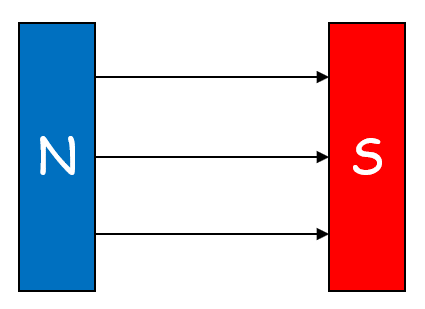
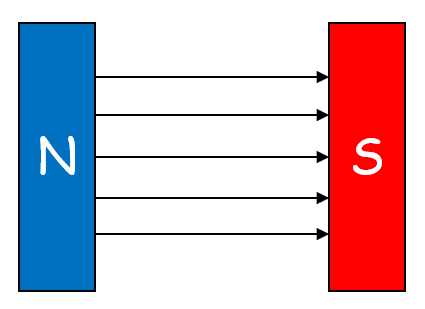


Are the magnetic field lines in the picture correct?
Yes, because they point from north to south.
No, because they point from north to south (they're supposed to go the other way).
Yes, because the North pole is on the left in all pictures.
No, because the North pole is on the left in all pictures (it's supposed to be on the right).
Where was magnets first discovered?
Asia minor
Asia major
Magnes
Maldives
To make temporary magnets, what material is most commonly used?
Ferrrite
Iron
Soft Iron
Chromium


An atom of oxygen has 8 protons and 10 electrons, this means the atom is ____________
positively charged because it has excess electrons
negatively charged because it has excess electrons
positively charged because it has a deficiency of electrons
negatively charged because it has a deficiency of electrons
Identify the figure which you are supposed do during lightning.



Which of the following cannot be charged easily by friction?
A plastic scale
A copper rod
An inflated balloon
A woolen cloth
The process of transferring of charge from a charged object to the earth is called —————-
Charging
Uncharging
Earthing
All
How many types of charges are gained by rubbing objects?
2
1
3
4
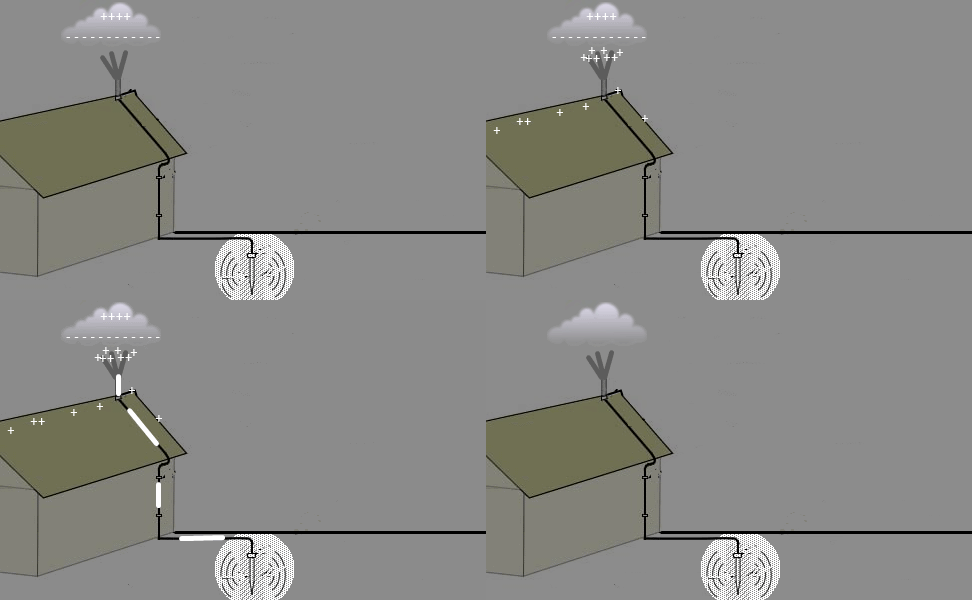
Identify the Y shaped structure in the given figure
Lightning rod
Plastic rod
Water pipe


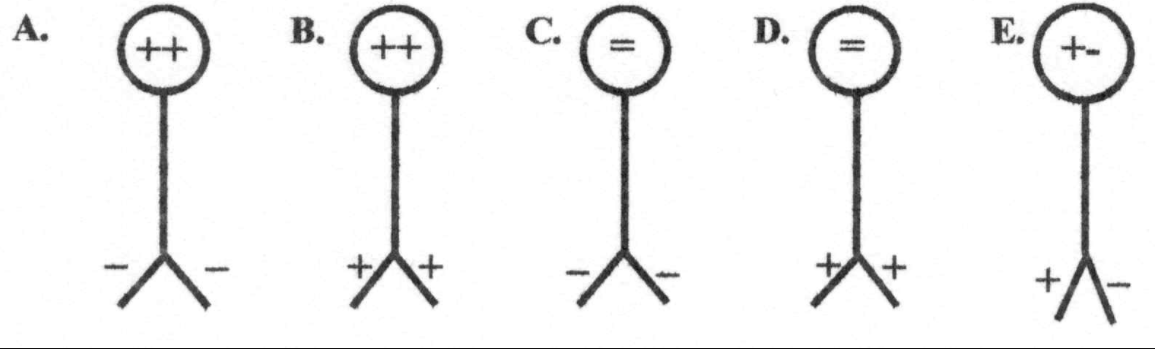
A negatively charged rod is touched to the top of an electroscope. Which shows the resulting charge?
A
B
C
D
E

What charge will the metal plate have?
positive; protons attract protons
positive; protons attract electrons
negative; protons attract electrons
negative; protons attract protons
A positively charged rod is brought close to, but not touching a neutral electroscope. Which shows the resulting charge?
A
B
C
D
E
Which of the following uses the principle of expansion of matter?
Air conditioner
Mercury in a thermometer
The handle of a pan is made of plastic
Walls of houses are painted white

Diagram shows an investigation carried out by Manjit. What conclusion can be made from the investigation?
Heat in the air flows through convection.
Heat in the air flows through conduction.
The air in the flask expands when heated up.
The air in the flask contracts when heated up.
Thermostats functions on the principle that:
some metals expands and contracts at different rates
all metal expands and contracts at different rates
all metals expands and contracts at the same rates

What can be done to ensure that the tracks do not become crooked like this? You may choose more than one answer.
Expansion gap should be included between adjacent tracks.
Rollers should be placed below the train tracks.
A longer track should be used.
Expansion bends should be included in the train track design

In this experiment, what is the temperature shown on the thermometer above the trough (T1) at last?
40 C
00 C
100 C
Water has minimum volume and maximum density at
4 degree Celsius
zero degree Celsius
100 degree Celsius
none of these

What is the melting point of ice in kelvin scale?
(a)

From the graph it is evident that the volume of water ______ from 0 to 40C and volume of water ______ from 4 to 100C . Write increases or decreases or remains same separated by a comma.
(a)

What type of wave is pictured?
Transverse wave
Longitudinal wave
Wave, what wave?
Slinky wave


Calculate the speed of sound if a sound wave travels 680 m in 2 seconds.
1360 m/s
340 m/s
The speed of sound is always the same
250 m/s
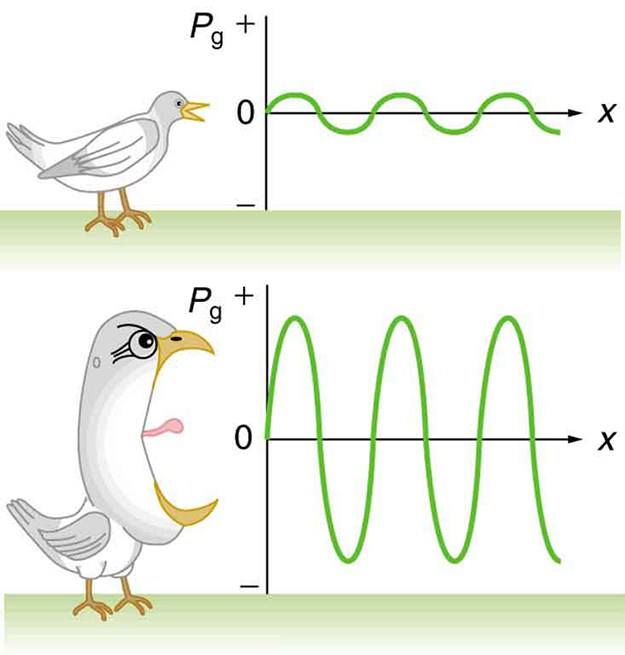
which wave has a shorter wave length


The graph shows how the vertical height of a travelling wave varies with distance along the path of the wave.
The speed of the wave is 20 cm s–1.
What is the period of the wave?
0.1 s
0.2 s
5.0 s
10.0 s

