
 Worksheets
Prince and the Revolutions
Total questions: 102
Worksheet time: 1hrs 13mins
Which of the following made up 1% of the French population, and included clergy?
First Estate
Second Estate
Third Estate
Middle Class
Which of the following made up 2% of the French population, and included nobles?
First Estate
Second Estate
Third Estate
Peasants
The ___ made up roughly 97% of the French population.
First Estate
Second Estate
Third Estate
Church officials
Which of the following is an accurate description of the tax system in France in the years preceding the French Revolution?
Only peasants and the clergy paid taxes.
Only about 2 percent of the nobility paid any taxes.
The nobility paid taxes only on land, not on income.
The members of the Third Estate paid almost all of the taxes.
Which of the following was NOT a cause of the French Revolution?
An unfair tax system among the Estates
Government debt from wars
An increase in the cost of living
Frequent attacks from the British
What happened on July 14, Bastille Day?
Robespierre was executed by the guillotine.
French women marched all the way to Versailles.
A mob stormed a prison looking for gunpowder.
All of the above are true.
Which goal was NOT stated in the "slogan of the Revolution"?
Liberty
Equality
Justice
Brotherhood
Which group imposed the Reign of Terror?
The Second Coalition
The Committee of Public Safety
The National Assembly
The King's Swiss guard
Who was Maximilien Robespierre?
army general
King of France
priest
Leader of the Committee of Public Safety
What was Napoleon Bonaparte able to accomplish during peacetime?
He set up government-run public schools.
He set up a comprehensive system of laws.
He established a fairer tax code.
All of the above are true.
What is nationalism?
Unjust use of power
A government consisting of delegates from the Third Estate
A five-person council set up to run the government
Pride in one's country based on shared customs and common history

A machine for beheading people used as a means of execution during the French Revolution.
Beheader
National Razor
Guillotine
Head chopper-offer 3000
Which of the following wars helped to inspire the French Revolution?
The American Civil War
The French and Indian War
American Revolution
The Seven Years War

What did the National Assembly promise to do in the Tennis Court Oath?
To execute the king
To write a new constitution
To stage a Coup d'etat
To make France independent
In 1791, France's new constitution changed France's government to a(n) _________________.
Republic
Constitutional Monarchy
Absolute Monarchy
Dictatorship
Where was the Declaration of Independence written and signed?
Atlanta, Georgia
Philadelphia, Pennsylvania
Saratoga, New York
Lexington, Massachusetts
Who was the British king during the American Revolution?
George Washington
King George III
King Henry VII
King Edward
Who led the Continental Army?
Abraham LIncoln
Patrick Henry
Benjamin Franklin
George Washington
Who was an editor of the Declaration of Independence as well as a scientist and inventor?
Benjamin Franklin
Thomas Jefferson
Benedict Arnold
Paul Revere
Who was the main author of the Declaration of Independence and the third president of the US?
Benjamin Franklin
Thomas Jefferson
Benedict Arnold
Patrick Henry
The Bill of Rights was influenced by
Voltaire
John Locke
Jean Jacques Rousseau
all of the above
What was Montesquieu's influence on the U.S. Constitution?
public elections
branches of government
the Bill of Rights
representatives
Which of the following men contradicted (went against) the ideas in the U.S. Constitution?
Baron de Montesquieu
Thomas Hobbes
John Locke
Denis Diderot
How did the Declaration of Independence embody (reflect) Enlightenment ideals?
It stated that all titles of nobility should be abolished.
It protected the rights of the accused and prohibited cruel punishment.
It set up a system of checks and balances for the U.S. government.
It said that people have rights of life, liberty and the pursuit of happiness.
How did the Enlightenment Period change how people viewed the world/life? Choose all that apply
Less religious/spiritual, more secular/worldly
Less gothic/more classical
Less baroque/more authoritarian
Less philosophical/more scientific
What revolutions did the Enlightenment Period influence?
Russian Revolution/American Revolution
French Revolution/Russian Revolution
American Revolution/French Revolution
Russian Revolution/Bolshevik Revolution
The Enlightenment Period encouraged people to question who and what?
Church/Bible
Bible/Society
Government/Neoclassicalism
Government/Church
The Enlightenment influenced people to find answers through what two ways?
Reason/Discovery
Reason/Scientific Method
Scientific Method/Observations
Observations/Logic
Locke and Rousseau believed the government's power came from the
absolute monarchy
consent of the governed
third estate
nobility
Rousseau's influence is seen in the American government with
public elections
checks and balances
Declaration of Independence
freedom of speech
Voltaire's fight for individual rights were for
freedom of speech
tolerance
freedom of religion
all of the above
"We the People", a representative government and limits on government power are all ideas from
Locke
Rousseau
Beccaria
Voltaire
The Federal System, three branches of government and checks and balances are all ideas from which philosophe?
Rousseau
Voltaire
Montesquieu
Wollstonecraft


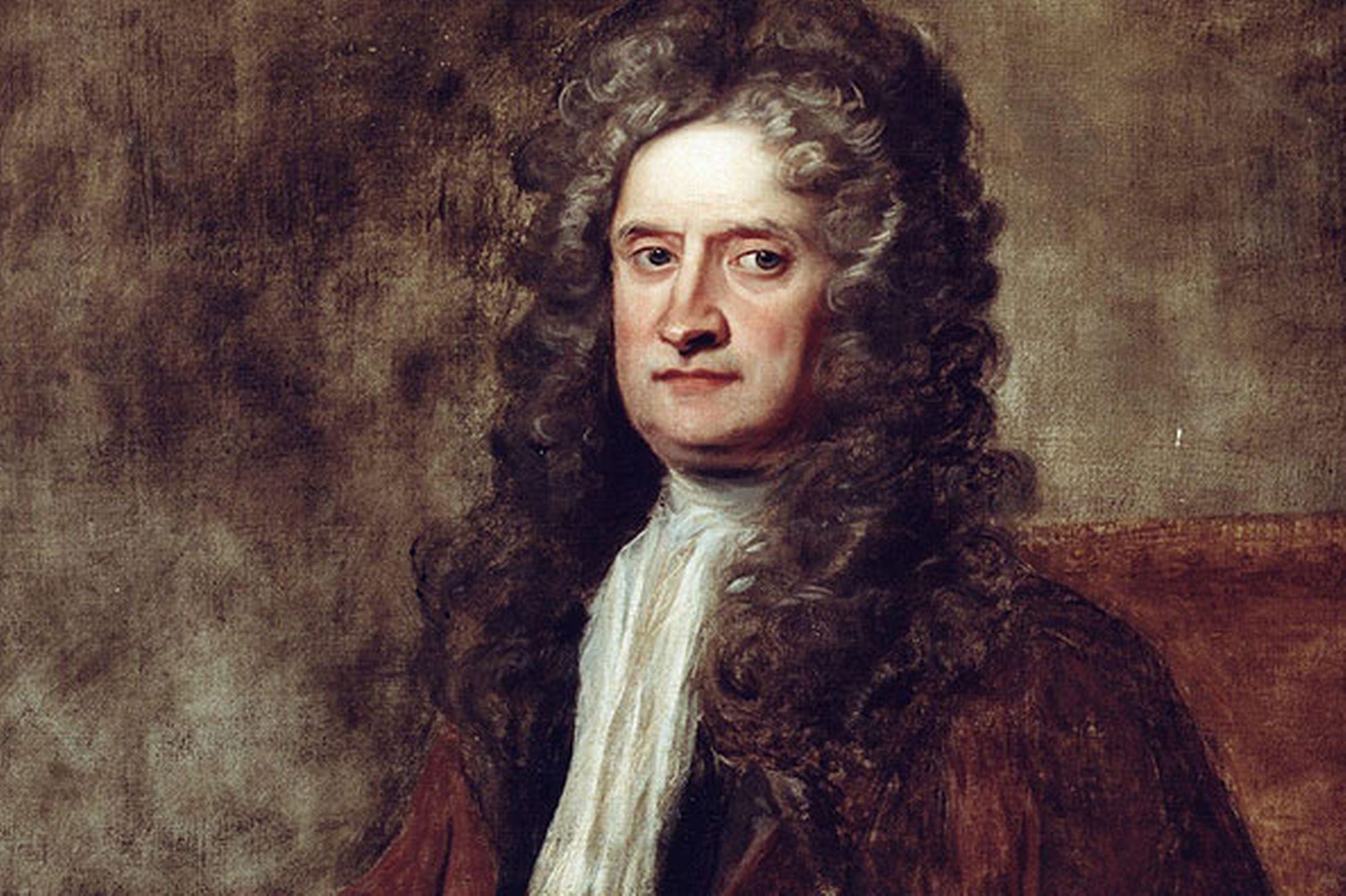
The French monarch who declared "I am the State"
Charles V
Henry IV
Louis XIV
Marie Theresa


What city was built in a swamp connected to the Baltic Sea, that became the "New" Capital of Russia in 1703-1917. Also know as "The City built on Bones."
Moscow
Amsterdam
London
St. Petersburg

Who is this "Great" Tsar in Russian History?
St. Peter
Peter I
Ivan IV (Ivan the Terrible)
Henry VIII
Philip II sent the ________ to DESTROY England in 1588.
Spanish Armada
The Conquistadors
Pizarro and Cortez
Spanish Inquisition
Which best describes the kind of ruler Louis XIV was?
He was a kind king who worked in the best interest of the people
He murdered his wives and brought about a new religion
He saw himself and the only source of power and built powerful armies and overspend on lavish wars and goods
He tried to mimic the western world to modernize his country especially in material goods, fashion, and shipbuilding
Legislative, or law-making, body in government representing the interests of the people in Great Britain.
Congress
House of Burgesses
Duma
Parliament
The belief that each "people" should have their own country is what?
Nationalism
Socialism
Liberalism
Countryism
This person started the movement for Mexican independence with his "Grito de Dolores."
Father Hidalgo
Benito Juarez
Emiliano Zapata
Father Hurtado
This man freed much of South America from the Sapnish
Simon Bolivar
Diego Maradona
Vasco de Gama
Pablo Escobar
This country drove out the French with a slave revolt
Haiti
Mexico
Cuba
Brazil
At this meeting in 1885, the European powers divided up Africa on a map.
Berlin Conference
Munich Agreement
Hamburg Concession
Tennis Court Oath
The control and exploitation of a country by a more powerful country is known as what?
Imperialism
Socialism
Communism
Liberalism
What was one effect of the French Revolution?
Differences between ethnic groups were eliminated.
Communism became popular.
Militarism was discouraged.
Nationalistic feelings were stimulated.
Prussian Chancellor in charge of uniting Germany.
Cavour
Garibaldi
Bismarck
Wilhelm I
What did Nationalism lead to?
Losing interest in the other countries to they couldn’t place nationalism there
Preventing wars and outbreaks of the Europeans
Placed the interest of their own country above other countries
"The Industrial Revolution was the period in which the production of goods shifted from hand production methods to complex machines. This period of industrialization resulted in social and economic changes." What is an EFFECT of the Industrial Revolution according to the statement?
It resulted in social and economic changes
The land was ideal for farming
The Industrial Revolution happened in Great Britain
Machines were used during the Industrial Revolution
"Coal is a rock that is combustible, meaning that it burns easily when set on fire." What is an effect of coal during the Industrial Revolution - pick the best option.
Coal fueled engines, factories, and trains
Coal is found in the ground
Coal is a natural resource
Great Britain's location made it ideal for trading
Due to inventions like the seed drill, which made planting crops easier and faster, farmers migrated to the cities. What was an effect of inventions like the seed drill?
Farmers lost their jobs and moved into industrial jobs
The machines turned into robots and took over land in Great Britain
The farmers needed more work and hired more people to work the land.
The farmers moved to the United States
Who wrote The Jungle?
Jane Addams
Charles Darwin
Upton Sinclair
Chester Arthur
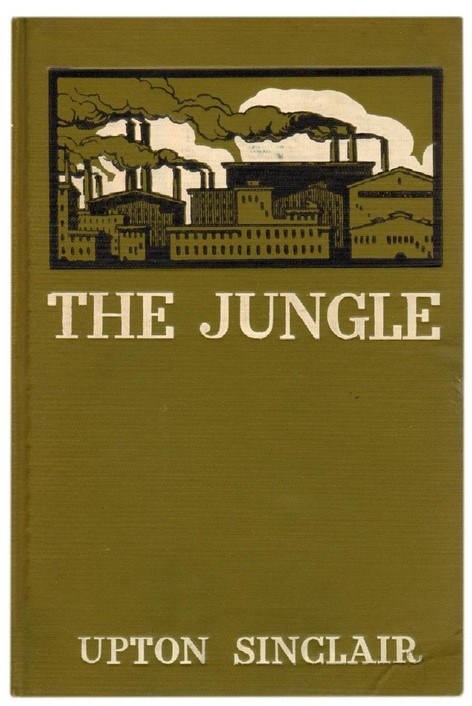
What government change occurred because of The Jungle?
Regulation of cash crops used for food for cattle
Unionization of meat industry
Creation of a federal health department
Federal Meat Inspection Act

What were photographs such as this one taken by Lewis Hine primarily intended to accomplish?
Encourage leaders to make segregation in schools illegal
Document labor conditions during an economic crisis
Depict the evils of capitalism in communist propaganda
Focus attention on the need for child labor reforms
True or False? Child labor only happened in the US during the early 1900s
True
False
True or False? Child laborers made the same wages as adults
True
False

