
 Worksheets
Evolution Formative
Total questions: 22
Worksheet time: 35mins

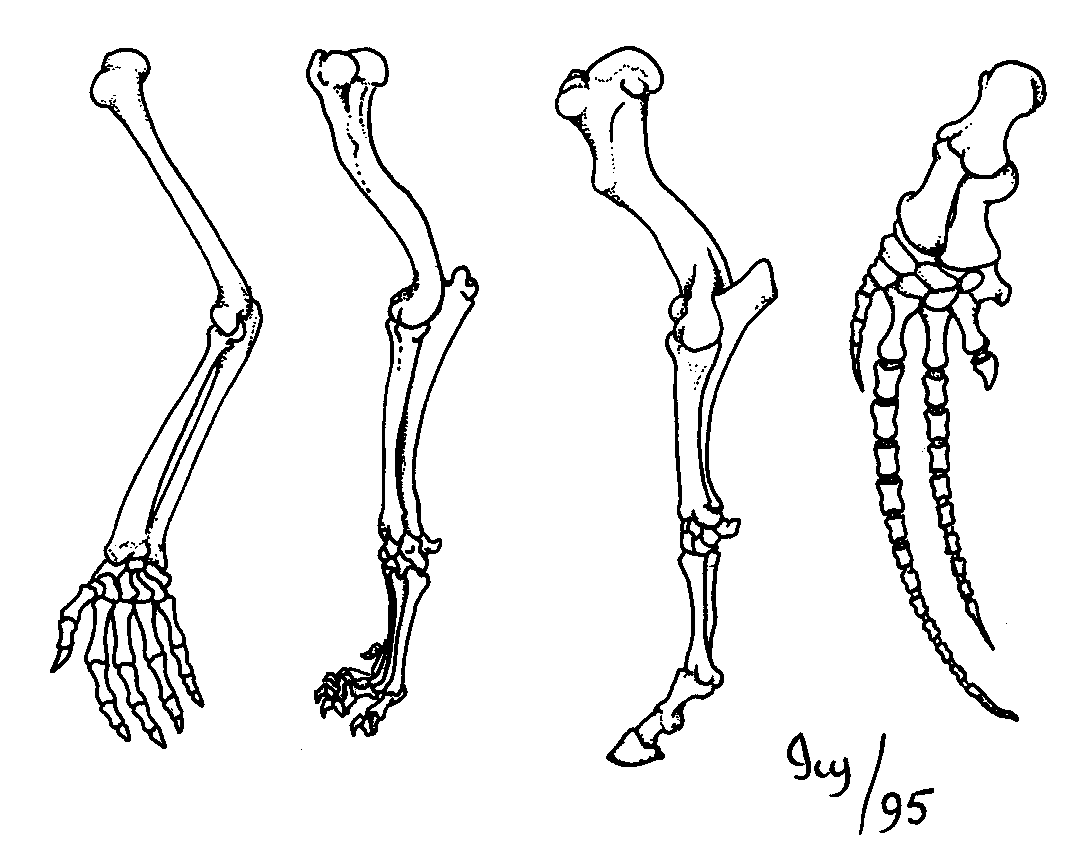

this type of evolution happens on a small scale, typically within a single population
microevolution
macroevolution
natural selection
artificial selection

body parts in organisms that have the same functions, but have different structures
analagous structures
homologous structures
vestigal structures
this type of evolution happens on a small scale, typically within a single population
microevolution
macroevolution
natural selection
artificial selection

large-scale evolutionary change that takes place over long periods of time
microevolution
macroevolution

body parts in different organisms that have the same basic structure, but may have different functions
analagous structures
homologous structures
vestigal structures
body parts in organisms that have the same functions, but have different structures
analagous structures
homologous structures
vestigal structures
body parts found in living organisms that no longer serve a purpose (not necessary for the organisms survival)
analagous structures
homologous structures
vestigal structures

selective pressure exerted by humans on populations in order to improve or modify particular desirable traits
natural selection
artificial selection

a change in a population or species over time
Common Ancestry
Evolution
Embryology
Biogeography

Organisms descended from a common ancestor. Organisms with a more recent common ancestor are more closely related. This phenomenon is referred to as?
Evolution
Common Ancestry
Embryology
Fossil Record

Two organisms that are closely related would have...
very similar DNA sequences
no proteins in common
exactly the same DNA sequences
completely different DNA sequences
Remains of organisms are called...
extinctions
mutations
fossils
variation
In finches (birds), what is the biggest advantage of having different shaped beaks?
to look different from other species
to protect itself from predators
to be able to eat the food readily available in the environment
to protect itself against prey

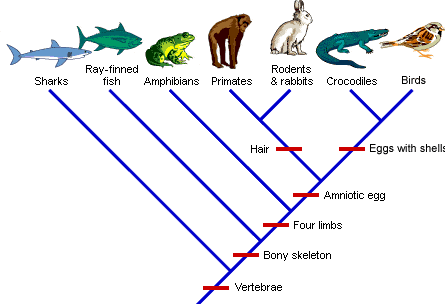
Which two organisms have hair?
Sharks & Ray Finned Fish
Primates & Rodents
Birds & Crocodiles
Rabbits & Birds

What number is the common ancestor of C and D
1
2
3
4

Compare genetic drift and gene flow

