
 Worksheets
3rd 9 FINAL EXAM REVIEW
Total questions: 40
Worksheet time: 49mins

In science, a law is:
A rule governing what you are permitted to do.
A generalization about how the physical universe works.
A legal document that describes a rule of conduct.
A statute enacted by a legislative body.

What is true of a substance with a lot of mass?
It contains a lot of matter
It has a large volume
It has a high density
It has a low frequency

The law of conservation of mass says substances can neither be _______ nor ___________.
Built; torn down
Blended together; separated
Created; destroyed
Condensed; extracted

How is weight different from mass?
Weight changes depending on gravity; mass stays constant throughout the universe.
Weight is measured in grams; mass is measured in newtons.
Weight can be converted to energy; mass cannot.
Weight is measured with a scale; mass is measured with a triple-beam balance.

Sodium and chlorine combine to form sodium chloride, or table salt. Sodium and chlorine are:
Producers
Products
Reactionaries
Reactants
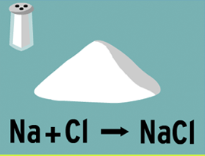
When sodium and chlorine combine to form sodium chloride, sodium chloride is the:
Originator
Reactant
Product
Produce
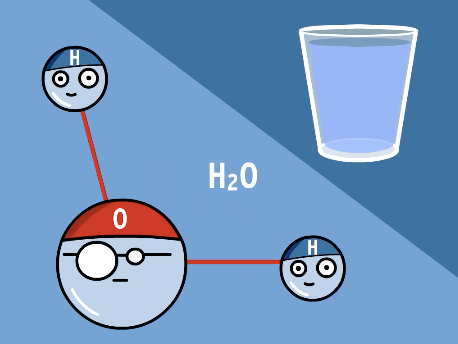
4 grams of hydrogen and 32 grams of oxygen will combine to form:
36 grams of water
28 grams of hydroxide
32 grams of oxygen
36 grams of deuterium
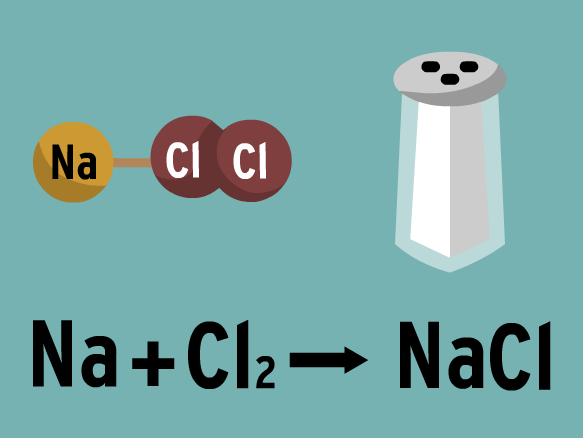
In a chemical reaction, 4 grams of sodium must combine with how many grams of chlorine to produce 10 grams of table salt?
4 grams
6 grams
8 grams
10 grams

What was Antoine Lavoisier's contribution to the law of conservation of mass?
He was the first person to think of it
He was the first person to propose it in a scientific way
He came up with a widely-read, precise description
He was the first person to perform a chemical reaction

Which of the following describes a chemical reaction?
Oxygen interacts with iron to form rust
Ice melts into water
Carbon dioxide freezes to make dry ice
Rocks split apart over many years due to weathering


You can make synthetic products from these things...
Plant based resources
Animal based resources
Petroleum based resources
All of the above
What is a synthetic resource?
a resource made by humans from natural materials
naturals resources such as trees and water
What is the difference between natural and synthetic resources?
Natural are man-made, synthetic are found in nature
Natural occur in nature, synthetic are man-made
There is no difference
We don't use natural resources but we use synthetic resources
What is the difference between natural and synthetic materials?
Natural material is made from chemicals and synthetic is made from nature
Natural material is made directly from nature and synthetic material is made from chemicals
Natural material is made from petroleum and synthetic material is made from wool
Natural material is made from trees and synthetic materials are made from plastics
What is an example of a natural material?
kevlar
polyester
wood
plastic
What is an example of a synthetic material?
cotton
petroleum oil
leather
nylon
True or False. Natural resources must come from either plants, animals, or the earth.
True
False
True or False: Synthetic materials are never made from natural resources
True
False
Which is a natural material?
plastic
nylon
syngas
cotton
Crude oil is used to make different kinds of plastics including PVC, vinyl and styrofoam.
true
false
What type of products are created by mixing chemicals in a laboratory?
real
natural
synthetic
none of the above
What is a resource?
A. something found in nature
B. something we find valuable
C. something we use
D. both B and C
What is a natural resource?
a resource that occurs naturally
a resource that is man-made
Where are natural resources found?
in the woods
at the beach
in nature
under the ground
You can make synthetic products from these things...
Plant based resources
Animal based resources
Petroleum based resources
All of the above
What is a synthetic resource?
a resource made by humans from natural materials
naturals resources such as trees and water

