
 Worksheets
Benchmark 1 Review
Total questions: 200
Worksheet time: 2hrs 40mins


takes over the cell's functions.


Which viral cycle takes the longest to show symptoms?
Lysogenic
Lytic
When the viral DNA becomes active in the lysogenic cycle, which life cycle does it enter?
lytic
lysogenic
cell cycle
DNA replication
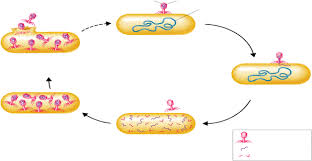


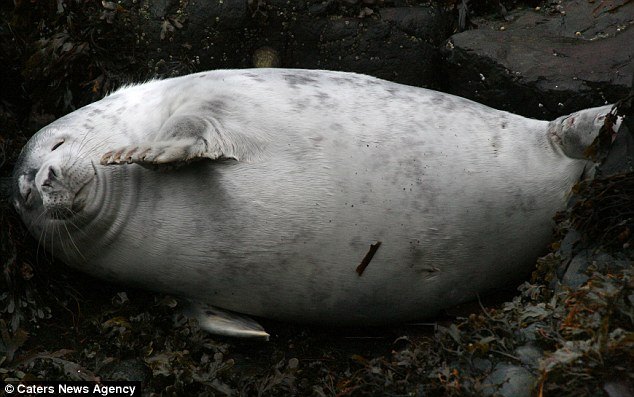
When you step out into the cold, your body shivers in order to keep its temperature at 98.6F.
All living things use energy
All living things maintain homeostasis
All living things contain cells
All living things grow

Green plants produce their own food through the process of photosynthesis.
All living things use energy
All living things maintain homeostasis
All living things contain cells
All living things grow and develop

A baby song bird hatches from its egg with both parent songbirds watching.
All living things use energy
All living things maintain homeostasis
All living things grow and develop
All living things reproduce

A caterpillar hibernates in a cocoon and emerges as a butterfly.
All living things have similar chemicals
All living things respond to stimuli
All living things grow and develop
All living things reproduce
Identify the biomolecules. Select all that apply.
Carbohydrate
Lipid
Protein
Nucleic Acid


Polymer's split apart to form ________, by __________.
monomers, hydrolysis
monomers, dehydration synthesis
amino acids, hydrolysis
amino acids, dehydration synthesis
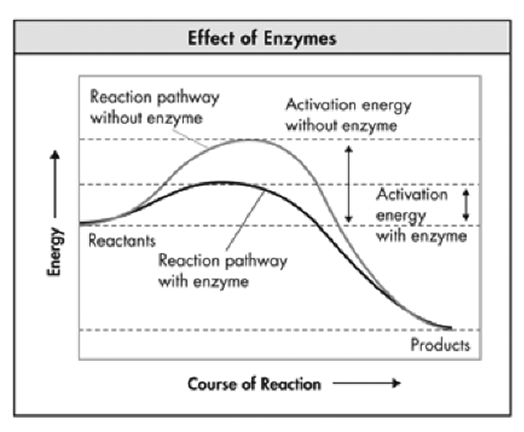
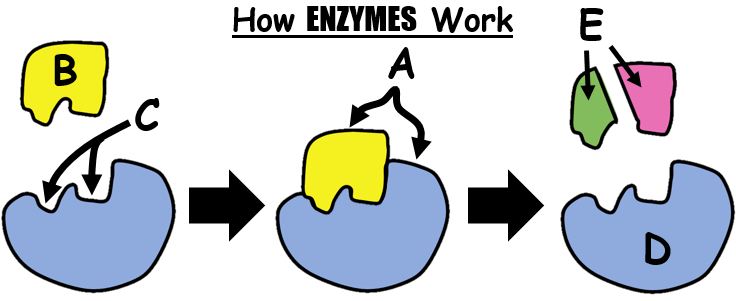
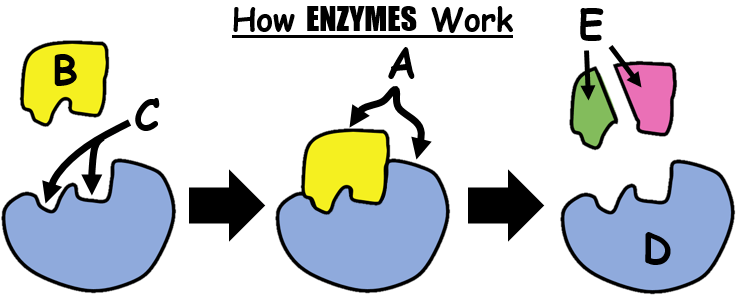
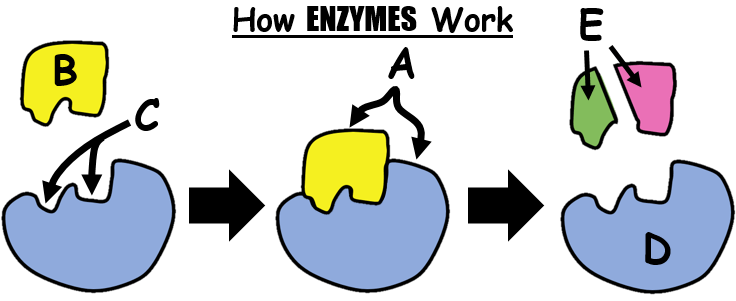
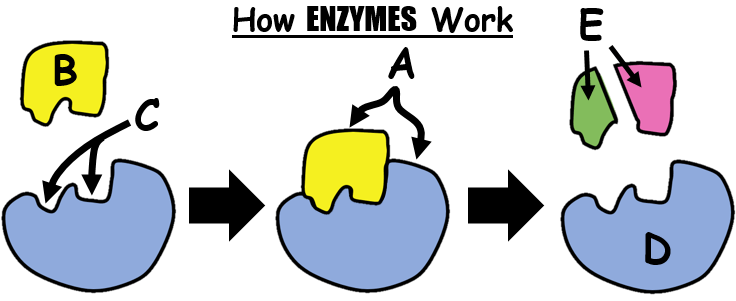
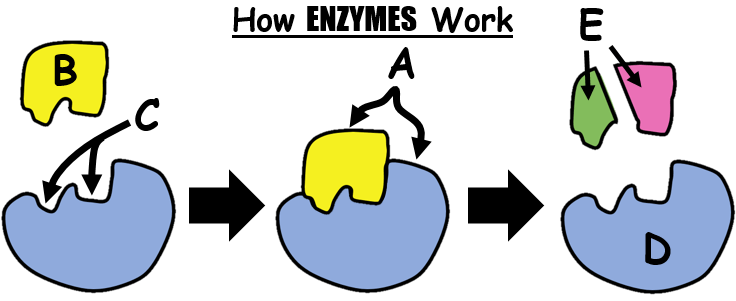
What happens when enzymes are heated to a high temperature?
The enzymes die.
The shapes of the enzyme are altered.
The enzymes' amino acid sequence changes.
The enzymes remain the same
Can a change in pH alter the active site of an enzyme
yes
no
-diffusion
-osmosis
-facilitated diffusion


What is the definition of LIPID BILAYER?
Molecular structure that surrounds the cell and controls what enters and leaves the cell
Movement of molecules across the cell membrane against the concentration gradient
Diffusion of water through a selectively permeable membrane
Movement of molecules across the cell membrane from an area of high concentration to low concentration

Identify the following structure
Phospholipid
Cell
Cell membrane
Protein

What is the name of 'A' found on the structure below
Lipid Bilayer (cell membrane)
Protein
Phosphate hydrophilic heads
Lipid hydrophobic tails

What is the name of 'B' found on the structure below
Protein
Lipic bilayer
Phosphate hydrophilic heads
Lipid hydrophobic heads

What is the name of 'C' found on the structure below
Phosphate hydrophilic heads
Lipid hydrophobic tails
Lipid bilayer
protein

What is the name of 'D' found on the structure below
Lipid hydrophobic tails
Protein
Lipid bi layer
Phosphate hydrophilic heads
Why would the cell need energy to move molecules across the membrane?
the molecule is going against the concentration gradient
the molecule is to large to pass through the membrane
the lipid membrane requires energy anytime something is moving across the membrane
In passive diffusion, substances always move...
from an area of higher concentration to an area of lower concentration
from an area with more of the molecules to an area with fewer of the molecules
from an area of lower concentration to an area of higher concentration
from an area with fewer of the molecules to an area with more of the molecules


Which organelle contains DNA and controls the cell?
Cell membrane
nucleus
nucleolus
lysosme
This organelle digests dead cell parts and contains enzymes
lysosome
golgi body
smooth ER
Rough ER
The gelatinous material inside the cell
ribosomes
lysosome
granum
cytoplasm
This pigment is found in chloroplasts.
rhodopsin
chlorophyll
thylakoid
stroma
Proteins are produced at this organelle.
golgi body
ribosome
cytoskeleton
cilia
this organelle makes ATP.
chloroplast
mitochondria
ribosome
nucleolus
This organelle produces the spindle fiber used during mitosis.
lysosome
centriole
cytoplasm
ribosome
A stack of thylakoids
stroma
chlorophyll
granum
the short hair like structures
flagella
cilia
lysosome
ribosome
Ribosomes are produced here
nucleus
nuclear membrane
nucleolus
chromosomes
long whip like structures used for movement
hair
cilia
flagella
cytoskeleton
This structure is found in plants and is made of cellulose.
chloroplast
cell membrane
cell wall
cytoplasm
Which membrane-bound organelle converts energy from the sun into chemical energy during photosynthesis?
ribosomes
cytosol
chloroplast
nucleolus
Which organelle transports, modifies, sorts, and ships the products made by a cell?
lysosome
mitochondria
ribosome
Golgi apparatus
Which portion of the endoplasmic reticulum is free of ribosomes?
sad ER
happy ER
rough ER
smooth ER
Which membrane-bound organelle functions as storage? (tends to be quite large in plants)
vacuole
secretory vesicle
nucleolus
ribosome
A large central vacuole is found in a _____ cell.
animal
plant

What is the function of a chloroplast?
makes proteins for animal cells
allows materials in and out of the cell
provides structure and support
absorbs sunlight for photosynthesis
Which of the following are statements of the cell theory? (choose all that apply)
All living things are made of cells.
All living things have DNA inside a nucleus.
Cells are the basic unit of life.
Cells come from other living cells.
All living things require energy.
Have a nucleus
Prokaryotic
Eukaryotic
Both
Do not have organelles with membranes
Prokaryotic
Eukaryotic
Both
Have ribosomes
Prokaryotic
Eukaryotic
Both
Have a cell membrane
Prokaryotic
Eukaryotic
Both
Found in plants, animals, protists and fungi. (NOT Bacteria)
Prokaryotic
Eukaryotic
Both
Contain DNA
Prokaryotic
Eukaryotic
Both
The protein coat of a virus is known as the __________.
capsid
genome
cell membrane
envelope
Eukaryotic cells are more complex than prokaryotic cells.
True
False
Can not be determined

This is a...
Prokaryotic Cell
Eukaryotic Cell
Neither

A cat is an example of a...
Prokaryote
Eukaryote
Both
Neither

E. coli (a bacteria) is an example of a...
Prokaryote
Eukaryote
Both
Neither

A mushroom (a fungi) is an example of a...
Prokaryote
Eukaryote
Both
Neither
Cell membrane surrounds a large particle and brings it INTO the cell
Humans use calories they obtain from ____ as their energy source.
food
water
sunlight
minerals
Which of the following processes is most efficient (produces most ATP per molecule if glucose oxidized)
aerobic respiration
anaerobic respiration
alcoholic fermentation
lactic acid fermentation


What is the correct order of the cell cycle?
Interphase, Cytokinesis, Mitosis
Interphase, Mitosis, Cytokinesis
Cytokinesis, Mitosis, Interphase
Anaphase, Telophase, Cytokinesis

What is the image above:
Chromosome
Chromotid
Centromere
Centriole
A chromosome is packaged
DNA
Protein
Carbohydrates
Lipids

What stage of mitosis is depicted here
Prophase
Anaphase
Telophase
Metaphase

What stage of mitosis is depicted here
Prophase
Metaphase
Anaphase
Telophase

What stage of mitosis is depicted here
Prophase
Metaphase
Anaphase
Telophase

What stage of mitosis is depicted here
Prophase
Metaphase
Anaphase
Telophase

The picture above represents what happens after mitosis which is
Interphase
Cytokinesis
Metaphase
G1
Centrioles pull the chromosomes apart towards the opposite sides of the cell describes:
Prophase
Metaphase
Telophase
Anaphase
Nuclear membranes form, cell begins to pinch to begin splitting describes:
Prophase
Anaphase
Telophase
Metaphase
Spindle fibers attach, centrioles line chromosomes in the center of the cell describes:
Prophase
Telophase
Metaphase
Anaphase
What is the longest stage of the cell cycle?
Prophase
Metaphase
Interphase
Anaphase
What is cancer?
Regulated meiosis
Uncontrolled meiosis
Regulated Mitosis
Uncontrolled Mitosis
What do you call the mass of cells that are undifferentiated and unspecialized in embryonic development?
stem cells
B-cells
T-cells
red blood cells
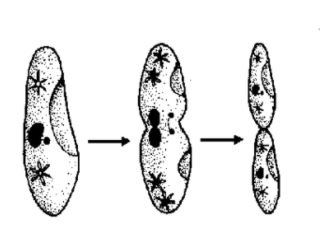
What type of asexual reproduction is illustrated in the diagram?
binary fission
budding
sporulation
regeneration
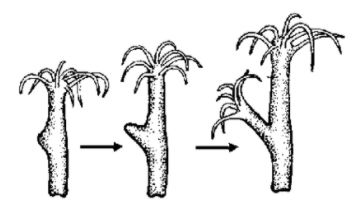
What type of asexual reproduction is illustrated in the diagram?
binary fission
budding
sporulation
regeneration
A cell with 46 chromosomes divides by mitosis, how many chromosomes will be present in the resulting daughter cells?
92
46
23
12
What is the cell process called that produces identical cells?
Mitosis
Meiosis
Photosynthesis
Cellular Respiration
Which type of reproduction results in offspring that are identical to the parent?
Sexual
Asexual
Neither
Both
Which type of reproduction tends to be a longer process?
Sexual
Asexual
They occur at the same rate
Both are slow processes
Which type of reproduction tends to produce more offspring?
Sexual
Asexual
They occur at the same rate
What is the cell process called that produces sex cells?
Mitosis
Meiosis
Photosynthesis
Cellular Respiration
ATG TGA CAG
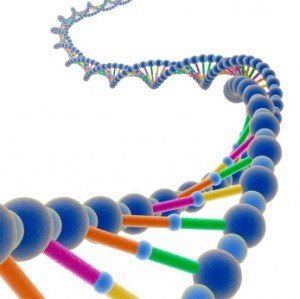

Which of the following cell parts contains DNA?
cell membrane
nucleus
ribosomes
endoplasmic reticulum
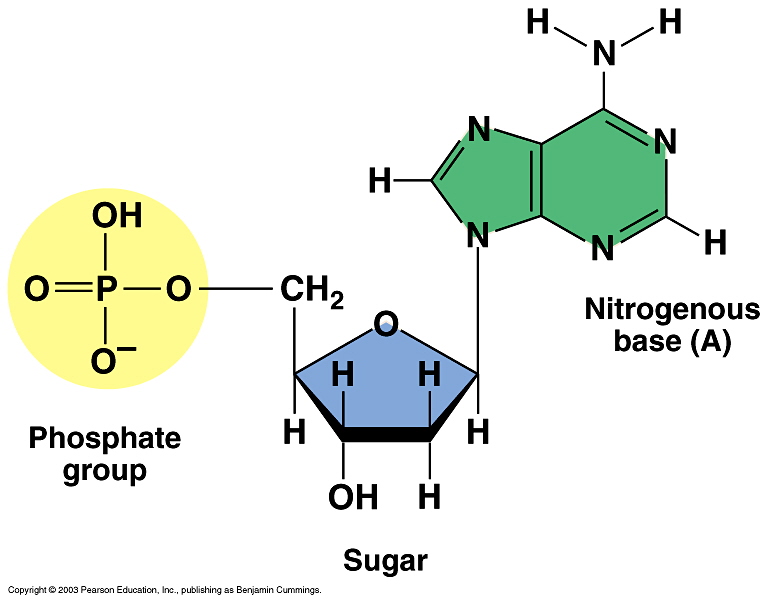
A nucleotide contains...
a phosphate group
a sugar
a base
all of these

