
Font size
 Worksheets
Endocrine and Nervous System
Total questions: 59
Worksheet time: 1hrs 6mins
What is the main function of the endocrine system?
It creates chemicals, or hormones, that are sent around the body to maintain homeostasis.
It creates electrical messages that are sent around the body to maintain homeostasis.
It maintains the correct level of oxygen in the body to maintain homeostasis.
It releases waste from the body to maintain homeostasis.


The gland labeled 4 in the diagram is?
the thymus gland
the thyroid gland
the parathyroid glands
the adrenal glands
What is the function of the Thyroid gland
Hormones that are used to change the metabolic rate of a person's body
Hormones that are used to help you run
Hormones to help you swallow
Penguin
The Adrenal gland secretes the following except:
cortisol
ADH
epinephrine
aldosterone
How do hormones target specific cells for action?
Target cells have active sites with complementary shapesThis is a wrong answer
Target cells have specific receptors with complementary shapes
Target cells process the information carried in the hormone
Hormones have active sites that are complementary
How do peptide hormones affect the activity of target cells?
By entering the cell to trigger specific gene activation
By binding to a plasma membrane receptor
By binding to a receptor in the nucleoplasm
By transferring information to an intracellular messenger molecule
How do nerves trigger muscle contractions?
By releasing neurotransmitters at neuromuscular junctions.
By combining actin and myosin into an actinomyosin complex.
By reversing the post synaptic potential at the neuromuscular junction.
By releasing Ca2+ ions that are needed for breaking down ATP.

The graph shows the pattern traced by placing electrodes at a point on the axon of a nerve cell as it is stimulated. It is reasonable to claim that
the lowest potential, J, represents the resting potential of the nerve.
during phase F, fewer sodium ions are leaving the cell than entering it.
during phase K, the membrane will fail to respond to further stimulation.
the stimulus applied only has an effect when the membrane potential is positive.
Which of the following increases speed of impulse transmission?
I Axon with larger diameter
II Myelin sheath
III Nodes of Ranvier
IV Many dendrites
I and II
I and III
I, II and III
II, III and IV

The following table shows the concentration of the main ions inside and outside of the nerve cell during resting phase. What would happen when the nerve cell receives the correct stimulus?
Na+ ions will enter the cell
K+ ions will enter the cell
Na+ ions will leave the cell
K+ ions will leave the cell

The table shows the difference between the nervous systems and their effects. Which of the following correctly matches each type of nervous system and its action?
I (a) II (a) III (b) IV (b)
I (a) II (b) III (a) IV (b)
I (a) II (b) III (b) IV (a)
I (b) II (a) III (b) IV (a)
Which of the following hormones in the blood increases immediately after absorption of digested food by the villus
insulin.
glucagon.
antidiuretic hormone.
estrogen.
What will happen if the alpha cells in the group of Langerhans cells in the pancreas are destroyed?
Change of glycogen to glucose will be affected.
Excess glucose cannot be changed to glycogen.
Accumulation of glucose in the body.
Excess glucose cannot be oxidized.

The pink structure is the.....
frontal lobe
occipital lobe
parietal lobe
temporal lobe

The part of your brain that senses pain is the....
blue lobe
yellow lobe
green lobe
pink lobe

Name structure 3
thalamus gland
pineal gland
cerebellum
corpus callosom

What number structure regulates hormones?
1
3
4
5

In the reflex arc shown, which number would be the effector?
B
D
G
F
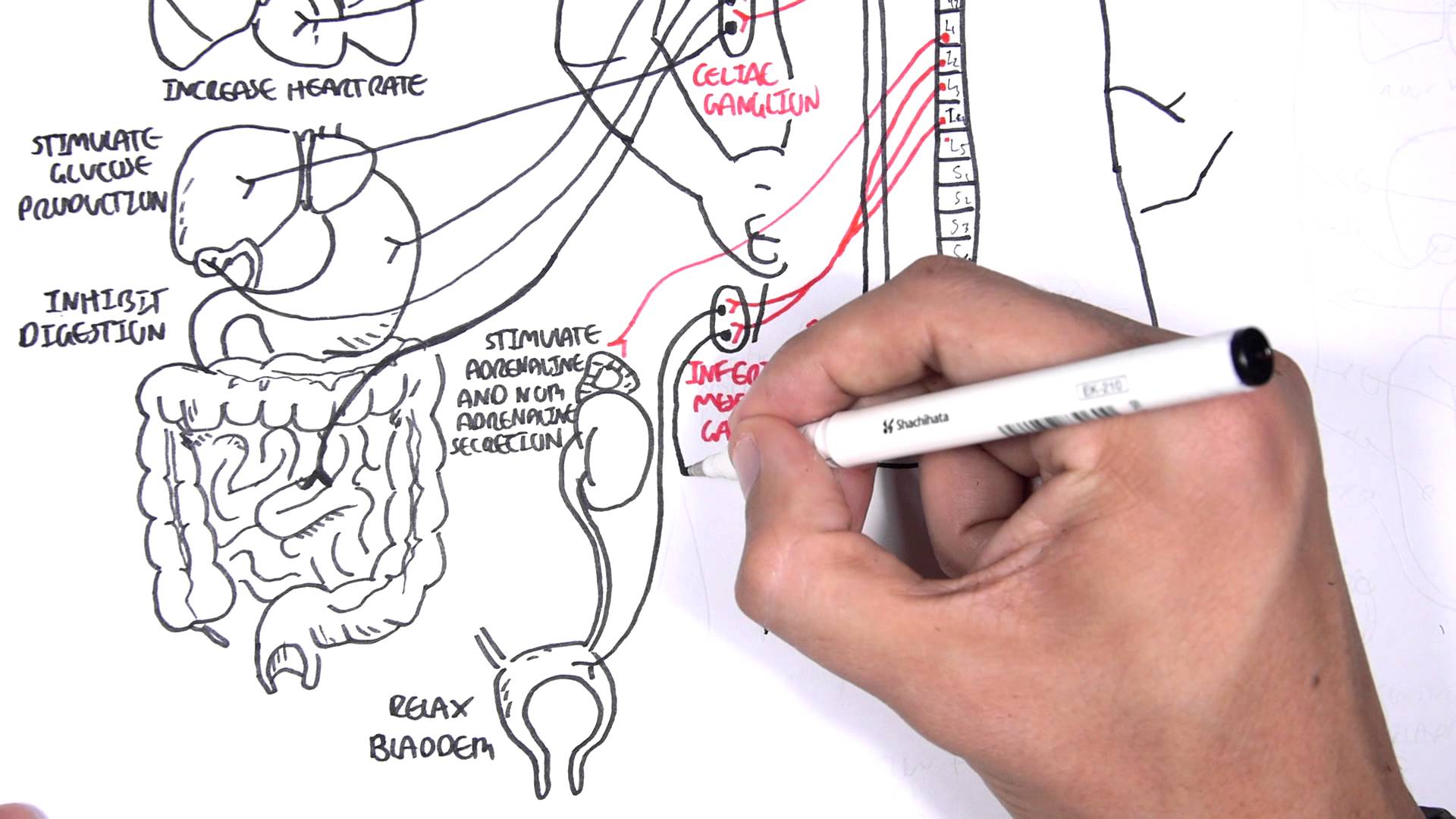
What of the following would your parasympathetic system do in a time of stress?
increase heartrate
inhibit digestion
restore salivary production
decrease blood pressure


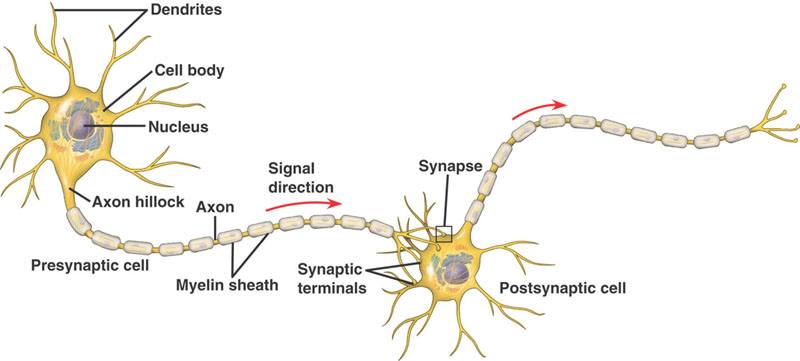

Which of the following uses ACTIVE transport?
sodium-potassium pump
sodium channel
potassium channel
diffusion
How do peptide hormones affect the activity of target cells?
By entering the cell to trigger specific gene activation
By binding to a plasma membrane receptor
By binding to a receptor in the nucleoplasm
By transferring information to an intracellular messenger molecule

Which two hormones regulate the production and stimulation of milk? (Slides 31 & 42)
FSH & LH
Oxytocin and ACTH
Prolactin and ACTH
Prolactin and Oxytocin
Imbalance of this hormone can cause gigantism or dwarfism
Lack or excessive of growth hormone
Lack or excessive of glucagon hormone
Lack or excessive of antidiuretic hormone (ADH)
Lack or excessive of auxine hormone
a high level of thyroxine will inhibits the release of
thyroid stimulating hormone
follicle stimulating hormone
antidiuretic hormone
insulin


