
 Worksheets
Respiratory System Practice Assessment
Total questions: 50
Worksheet time: 28mins

Structure "A"
Frontal Sinus
Sphenoid Sinus
Epiglottis
Nasal Cavity
Nostril
Structure "B"
Frontal Sinus
Sphenoid Sinus
Epiglottis
Nasal Cavity
Nostril
Structure "C"
Soft Pallet
Sphenoid Sinus
Hard Pallet
Nasal Cavity
Nostril
Structure "D"
Soft Pallet
Sphenoid Sinus
Hard Pallet
Nasal Cavity
Nostril
Structure "E"
Oral Cavity
Sphenoid Sinus
Hard Pallet
Nasal Cavity
Nostril
Structure "F"
Oral Cavity
Sphenoid Sinus
Larynx
Pharynx
Trachea
Structure "G"
Oral Cavity
Sphenoid Sinus
Larynx
Pharynx
Bronchus
Structure "H"
Left Lung
Right Lung
Larynx
Pharynx
Trachea
Structure "I"
Left Lung
Right Lung
Larynx
Pharynx
Trachea
Structure "J"
Left Lung
Right Lung
Larynx
Pharynx
Trachea
Structure "K"
Left Lung
Right Lung
Larynx
Esophagus
Trachea
Structure "L"
Bronchus
Epiglottis
Larynx
Pharynx
Trachea
Structure "M"
Bronchus
Epiglottis
Larynx
Pharynx
Trachea
Structure "N"
Hard Palate
Soft Palate
Larynx
Pharynx
Trachea
Structure "O"
Sphenoid Sinus
Frontal Sinus
Larynx
Pharynx
Bronchus

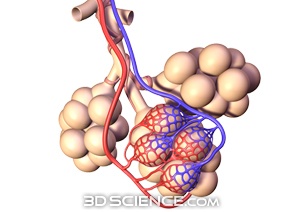
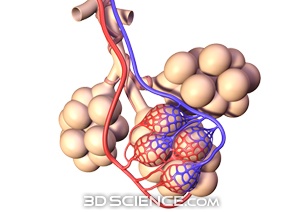
Structure "A"
Branch of Pulmonary Artery
Branch of Pulmonary Vein
Smooth Muscle
Terminal Bronchiole
Respiratory Bronchiole
Structure "B"
Branch of Pulmonary Artery
Branch of Pulmonary Vein
Smooth Muscle
Terminal Bronchiole
Respiratory Bronchiole
Structure "C"
Branch of Pulmonary Artery
Branch of Pulmonary Vein
Smooth Muscle
Terminal Bronchiole
Respiratory Bronchiole
Structure "D"
Branch of Pulmonary Artery
Branch of Pulmonary Vein
Smooth Muscle
Terminal Bronchiole
Respiratory Bronchiole
Structure "E"
Alveoli
Alveolar Sac
Alveolar Duct
Alveolus
Smooth Muscle
Structure "F"
Alveoli
Alveolar Sac
Alveolar Duct
Alveolus
Smooth Muscle
Structure "G"
Alveoli
Alveolar Sac
Alveolar Duct
Alveolus
Smooth Muscle
Structure "H"
Alveoli
Alveolar Sac
Alveolar Duct
Alveolus
Smooth Muscle
Structure "I"
Alveoli
Alveolar Sac
Alveolar Duct
Alveolus
Smooth Muscle
Structure "J"
Alveoli
Respiratory Bronchiole
Terminal Bronchiole
Intralobular Bronchiole
Smooth Muscle
When the diaphragm contracts, the pressure in the lungs _______________ and air rushes _________.
increases; in
increases; out
decreases; in
decreases; out
When the diaphragm relaxes, the pressure in the lungs _______________ and air rushes _________.
increases; in
increases; out
decreases; in
decreases; out
1. larynx
2. nasal cavity
3. pharynx
4. trachea
Which of the following is the correct order that air would flow during inhalation.
Check off which things happen when you inhale (there are two!)
Chest cavity expands
Chest cavity gets smaller
Diaphragm contracts
Diaphragm relaxes
The "gate" that prevents food or fluid from entering the trachea.
Pharynx
Larynx
Esophagus
Epiglottis
Pair of serous membranes lining the thorax and enveloping the lungs
Alveoli
Pericardium
Pleura
Bronchi
Which of the following does not serve as an air distributor?
alveoli
bronchi
nose
trachea
All of the following are functions of the Respiratory System EXCEPT...
Assistance with maintaining pH levels
Filtration of air
Warming of air
Exchange of Oxygen and Carbon Dioxide with the atmosphere
Distribution of Oxygen to cells
Standard atmospheric air pressure is _______.
500 mm Hg
560 mm Hg
660 mm Hg
760 mm Hg
"The volume of a gas varies inversely with pressure when temperature is held constant" is a description of...
alveolar capacity
transpulmonary pressure
Boyle's Law
Compliance
Which of the following does NOT allow for inspiration?
The pressure gradient between the lungs and the atmosphere increases
Lungs expand
Intrapleural pressure decreases
External intercostal muscles relax
During inspiration, the expansion of the lungs causes _______.
Cohesion of visceral and parietal pleura
A decrease in alveolar pressure
A pressure gradient from alveoli to the atmosphere
An increase in intrathoracic pressure from -6 to -4 mm Hg
Which of the following is true of expiration?
Intrapulmonary pressure is greater than atmospheric pressure
External intercostals contract
Atmospheric pressure decreases
Intrapleural pressure is greater than atmospheric pressure
During inspiration, intrapleural pressure ___________ to ______ mm Hg, which allows air to flow from the atmosphere into the lungs.
increases; 761 mm Hg
decreases; 761 mm Hg
increases; 759 mm Hg
decreases; 759 mm Hg
During expiration, intrapleural pressure ___________ to ______ mm Hg, which allows air to flow from the atmosphere into the lungs.
increases; 761 mm Hg
decreases; 761 mm Hg
increases; 759 mm Hg
decreases; 759 mm Hg
Which of the following must be true for inspiration to occur? Check all that apply.
Atmospheric pressure is greater than intrapleural pressure.
Intercostal muscles contract and expand outward.
Intrapleural volume decreases and intrapleural pressure increases.
Intrapleural volume increases and intrapleural pressure decreases.
Diaphragm relaxes and moves upward.

