
 Worksheets
energy transfer, symbiosis, and animal interactions
Total questions: 61
Worksheet time: 1hrs 6mins

What does equilibrium mean?
Being in balance; staying the same for a long time.
When a species has a very high population
Changing gradually over time
Nearly dieing off before recovering again.
What happened after 12 months after the hawk population was MOSTLY killed off?
Snakes increased, Rabbits decreased, and Grass increased. Then everything balanced back out to almost normal.
Initially everything was stable, but the snake population killed all the rabbits and then died out themselves.
Everything went down significantly at first, then the hawks recovered.
Everything except the grass died off at first, then the rabbits recovered.

Why are the lower levels of the energy pyramid bigger than the top levels?
The bottom is for larger animals.
The bottom levels don't need as much energy.
The top levels get energy (eat) the lower levels.
The top levels have fewer predators for they are smaller.

What is the effect of removing prey from a food chain?
All predators above them will die or suffer.
The prey's predator will die or suffer, but everybody else should be fine.
The prey will always, eventually, come back
The predators population will grow


What would happen to the bird if the green fish died out?
the bird population would grow
the bird population would die out
the smaller fish will die out
What would happen if their were no producers?
Every population would grow larger
Everything would die out
The animals would make their own food


Does the energy get lower or higher when it is transferred through each animal?
It gets higher
It gets lower

If there is 100 Kcal available in the mice in trophic level 2, how much energy is available in the snake at trophic level 4?
10Kcal
1Kcal
100Kcal
1000Kcal


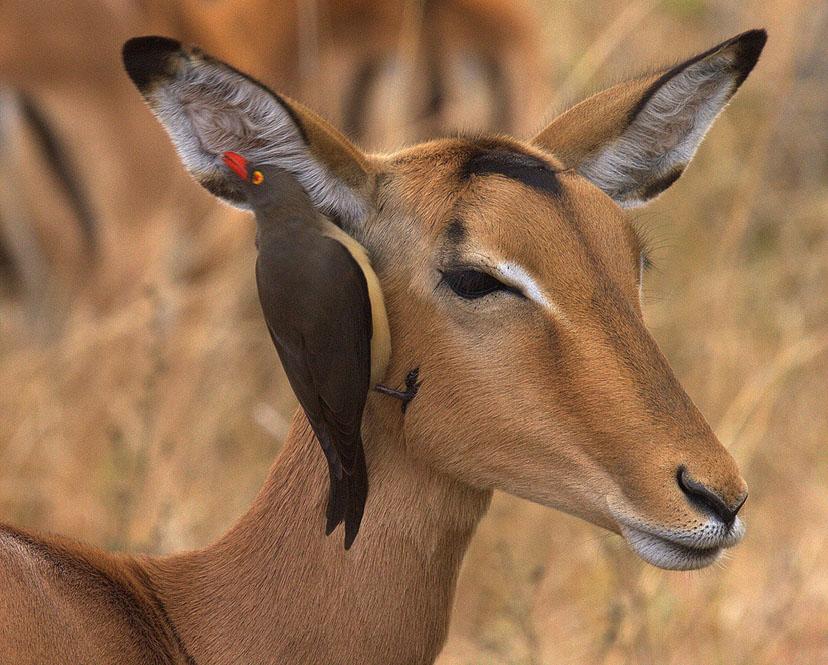
Aphids are tiny insects that live on and eat the leaves of plants, removing vital nutrients from the plants.
Predation
Parasitism
Commensalism
Mutualism
A bird building their nest in a tree.
mutualism
commensalism
parasitism
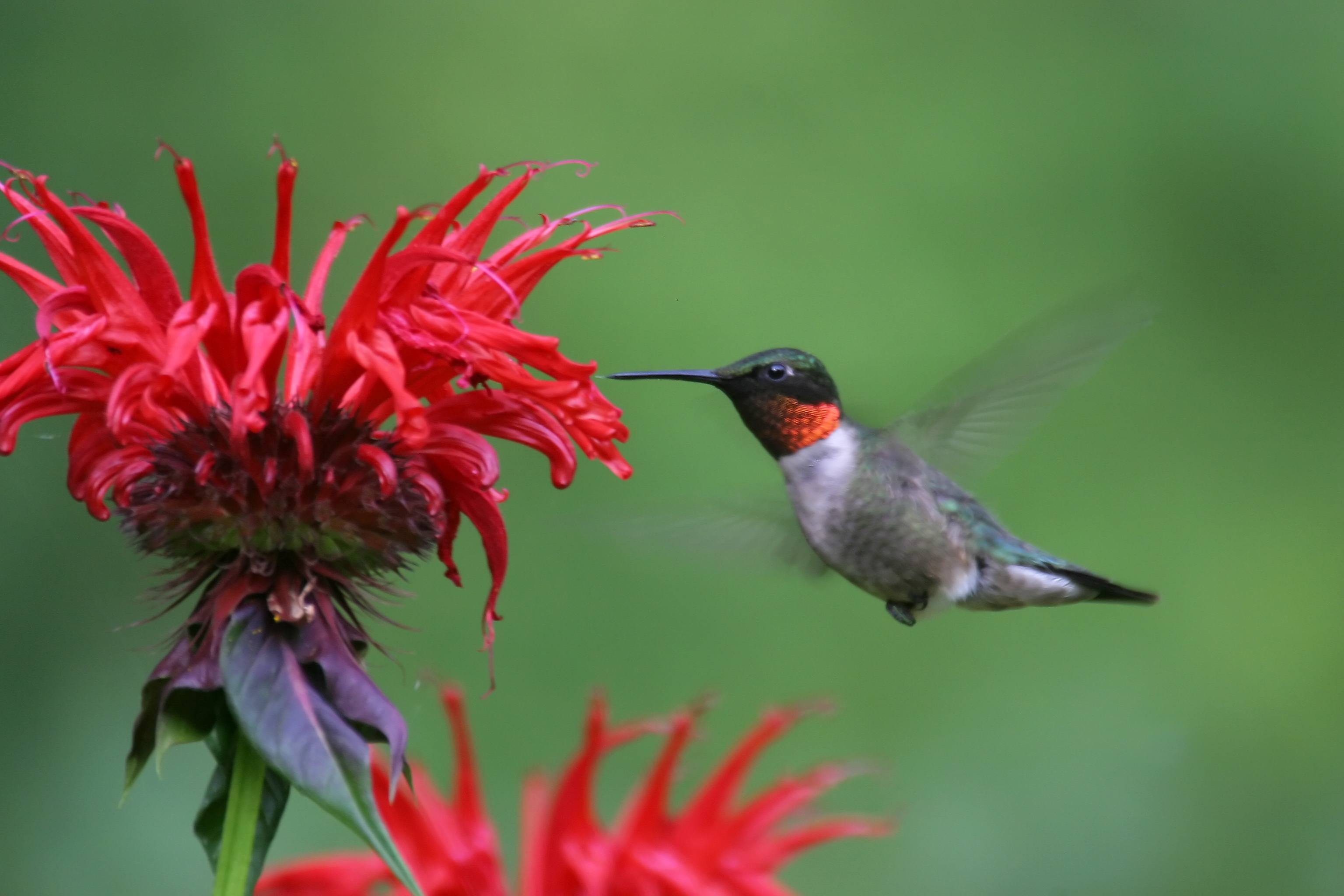
Bees and a flower
mutualism
commensalism
parasitism
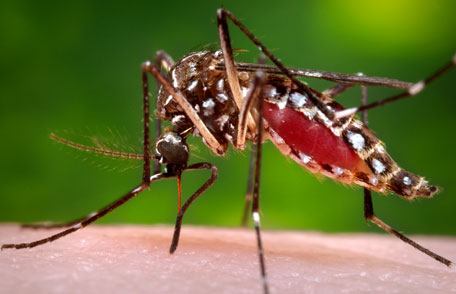

Mockingbirds will push the eggs out of a blue bird's nest and use the nest for it's own babies illustrating...
commensalism
parasitism
mutualism
predation

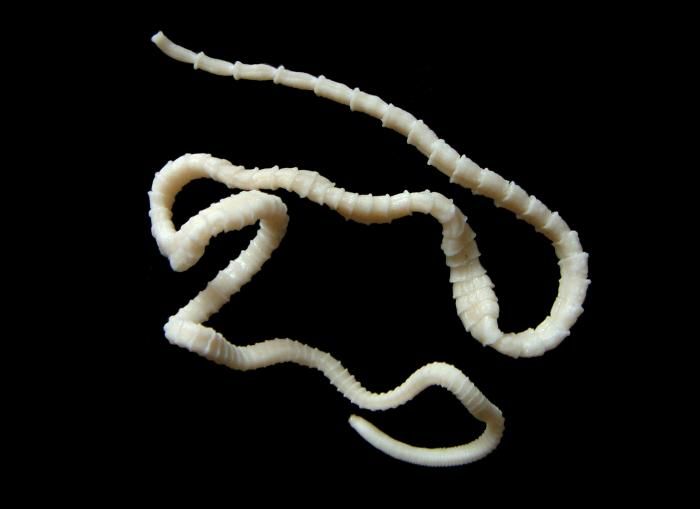
Hookworms enter the human body by burrowing into the skin of the feet. Once in the skin, they enter the bloodstream and travel to the small intestine where they attach to the walls and begin to drink the person's blood and weaken the victim.
mutualism
commensalism
parasitism

Lichens are close associations of fungi and algae. The fungi hold the water supply and the algae perform photosynthesis to manufacture carbohydrates for both organisms.
mutualism
commensalism
parasitism

In which type of interaction does one animal eat another for energy and nutrients?
Competition
Parasitism
Predation
Mutualism

Sloth's and monkeys share the same tropical habitat. Deforestation is occurring limiting the space for these 2 species. What will now occur between the 2 species?
Mutalism
Commensalism
Predation
Competition

Honey bees working together in the hive.
NIche
Symbiosis
Cooperation
Prey

Sheep herding together to avoid predators.
Prey
Cooperation
Symbiosis
Competition

Different species of fish struggling to get food from the back of a sea turtle.
Predator
Competition
Prey
Niche

An adult elephant helping a baby elephant in the water.
This is an example of ____________.
Habitat
Competition
Predator
Cooperation
Select all that apply: Animals will compete over
territory (land)
resources (food, water)
mates
When there is an order within a group of organisms/same species living together. This order helps this group to survive and be successful
competition
cooperation
social hierarchy
territorial imperative
when an organism protects or communicates with other organisms that the area it lives in is already taken. Animals do this to protect resources.
competition
cooperation
social hierarchy
territorial imperative
a dog pees on a fire hydrant
competition
cooperation
social hierarchy
territorial imperative
A wild boar (pig) marks a tree with his tusks
competition
cooperation
social hierarchy
territorial imperative
Prairie dogs take shifts guarding their burrow. Others watch over the young prairie dogs and there is 1 alpha male who is in charge of the burrow.
competition
cooperation
social hierarchy
territorial imperative
An organisms role they play in their community is known as their...
population
territory
habitat
niche
One animal in a group has more rank than others is known as...
competition
cooperation
social hierarchy
territorial imperative

If all the herring died in this energy pyramid, which organisms would be affected?
only the omnivores
all of the organisms would be affected in some way
only the shark
the shark & mackerel
A niche ________________.
is the function that an organism performs in the food web of that community.
includes everything else the organism does and needs in its environment.
is specific to each individual animal and plant.
All of the above.
A squirrels niche would be _________________.
hunting prey and providing meat for other squirrels.
searching for fish to eat in the ocean.
staying busy storing nuts and seeds for winter.
help decompose other animals and plants.
A whale's niche would be which of the following?
eating plankton and krill.
eating sharks and dolphins.
eating hamburgers and fries.
eating other whales.

What is a Niche of a honeybee?
Pollenating Flowers
A Honeycomb
Eating other insects.
Swimming.
Biotic factors are
Living
nonliving
Abiotic factors
living
nonliving
An abiotic factor that limits a population size would be?
Food
predators
space
disease
Choose all the abiotic factors listed
water
producers
space
temperature
predators
The process in which carbon circulates and is recycled is called ____________
What converts nitrogen gas into a usable form for plants and animals?
bacteria
rain
fungi
car exhaust

