
 Worksheets
Solar Systems
Total questions: 100
Worksheet time: 1hrs 6mins
Which is NOT a planet?
Venus
Pluto
Jupiter
Mars
What planet do we live on?
Uranus
Neptune
Mercury
Earth
Where does the light of the Moon come from?
The Earth
Its own gases
The Sun
Saturn
What is the Moon made out of
Stars
Gases
Flowers
Rocks
Which word means solar
Sun
Earth
Moon
Star
What are the changing shapes of the Moon called?
Plants
Phases
Orbits
Spins
Day and night is created by the way the Earth moves around the sun. What is this movement called?
Rotation
Phases
Seasons
Solar System
Which of the following is NOT a season of the year?
Autumn
Winter
Summer
Snow
Objects in space made up of hot gases, like the sun, are called...
Planets
Moons
Rocks
Stars
Which is the largest planet in the solar system?
Jupiter
Saturn
Mars
Neptune
When Earth spins, it turns around an imaginary line called a(n)
rotation
axis
orbit
ellipse
Anthony claims that the patterns of stars in the sky only appear to move, but the patterns do not change. Which piece(s) of evidence would best support this claim?
observations that some stars can be seen in every season
Observations that the pattern of stars in the sky stay the same although they appear to shift across the sky nightly.
Observations that different stars appear in different seasons, but the patterns of the stars remain the same.
A ____ is a huge system of gas, dust, stars, and objects orbiting stars that is held together by the force of gravity.
galaxy
comet
meteor
gas giant
Which planet is an inner planet?
Uranus
Venus
Saturn
Neptune
Which planet is the solar system's largest rocky planet?
Mars
Earth
Mercury
Jupiter
Which choice best describes the parts of the Milky Way?
Earth, its moon, the sun, and Jupiter
Gas, dust, stars, and objects that orbit stars
Asteroids, comets, objects that orbit stars, and the stars
The inner planets, the outer planets, gas, and dust
Which list shows the correct order of planets from the sun?
Mercury, Venus, Earth, Mars
Earth, Mars, Venus, Jupiter
Mars, Venus, Earth, Saturn
Uranus, Jupiter, Neptune, Saturn
Brianna and Mari want to develop a model of how Earth moves in space. In their model, Brianna will represent Earth and Mari will represent the sun. Which of the following should NOT be part of Brianna and Mari's model?
Brianna walks in a circle around Mari.
Brianna spins in circles.
Mari stands still.
Mari walks in a circle around Brianna.
Which is an object in the solar system that is a frozen mass of ice and dust?
an asteroid
a comet
a moon
a planet
What do Jupiter, Saturn, Uranus, and Neptune have in common?
They all have rocky surfaces.
They all appear to be similar to Earth.
They all are gaseous planets.
They all appear to be made of rock and ice.
Why does the sun seem to change position in the sky?
Earth's rotation
Earth's orbit
The sun's rotation
The sun's orbit
Which list shows in correct order the fewest stars to the greatest number of stars?
Our solar system, the universe, the Milky Way Galaxy
The universe, the Milky Way Galaxy, our solar system
Our solar system, the Milky Way Galaxy, the universe
The Milky Way Galaxy, our solar system, the universe
What causes it to appear as if the sun rises and sets each day?
Earth's gravity
The spinning motion of Earth
The revolution of the Earth around the sun
Earth's distance from the sun

The picture shows a tree and its shadow at two different times of day.
Which sentence explains why the shadow changes?
As Earth rotates, the sun is lower in the sky in the morning.
As Earth rotates, the sun is higher in the sky in the morning.
As the sun rotates, it is lower in the sky in the morning.
As the sun rotates, it is higher in the sky in the morning.

Chris is learning about Earth's movement in science class. He records some information in a chart about Earth's movement.
What information in Chris's chart is in the WRONG row of the table?
Causes day and night
Cause shadows to change
Causes change in seasons
Causes sunrise and sunset

Look at the picture of the moon.
What will the moon look like in approximately 14 days?
New Moon
1st Quarter Moon
3rd Quarter Moon
Full Moon
Dylan observes a fully lit moon. When can he expect to see the moon look like this again?
In about 12 hours
In about 24 hours
In about 15 days
In about 30 days

Markos observed the image of the moon above. He is curious to know what the moon looked like several nights before. Which best describes the shape of the moon that occurred BEFORE Markos observed the moon phase below?
The moon looked exactly the same.
The moon was a full moon (brightly lit circle).
The moon was more than half lit on the right side.
The moon was less than half lit on the right side.
Mercury,Saturn
Jupiter, Uranus, Neptune
Jupiter, Neptune,
Mercury,Saturn,
Uranus
Mars,Jupiter,
Saturn,Uranus
Neptune

This cold, blue planet was discovered by a mathematical prediction.
Neptune
Jupiter
Mars
Venus

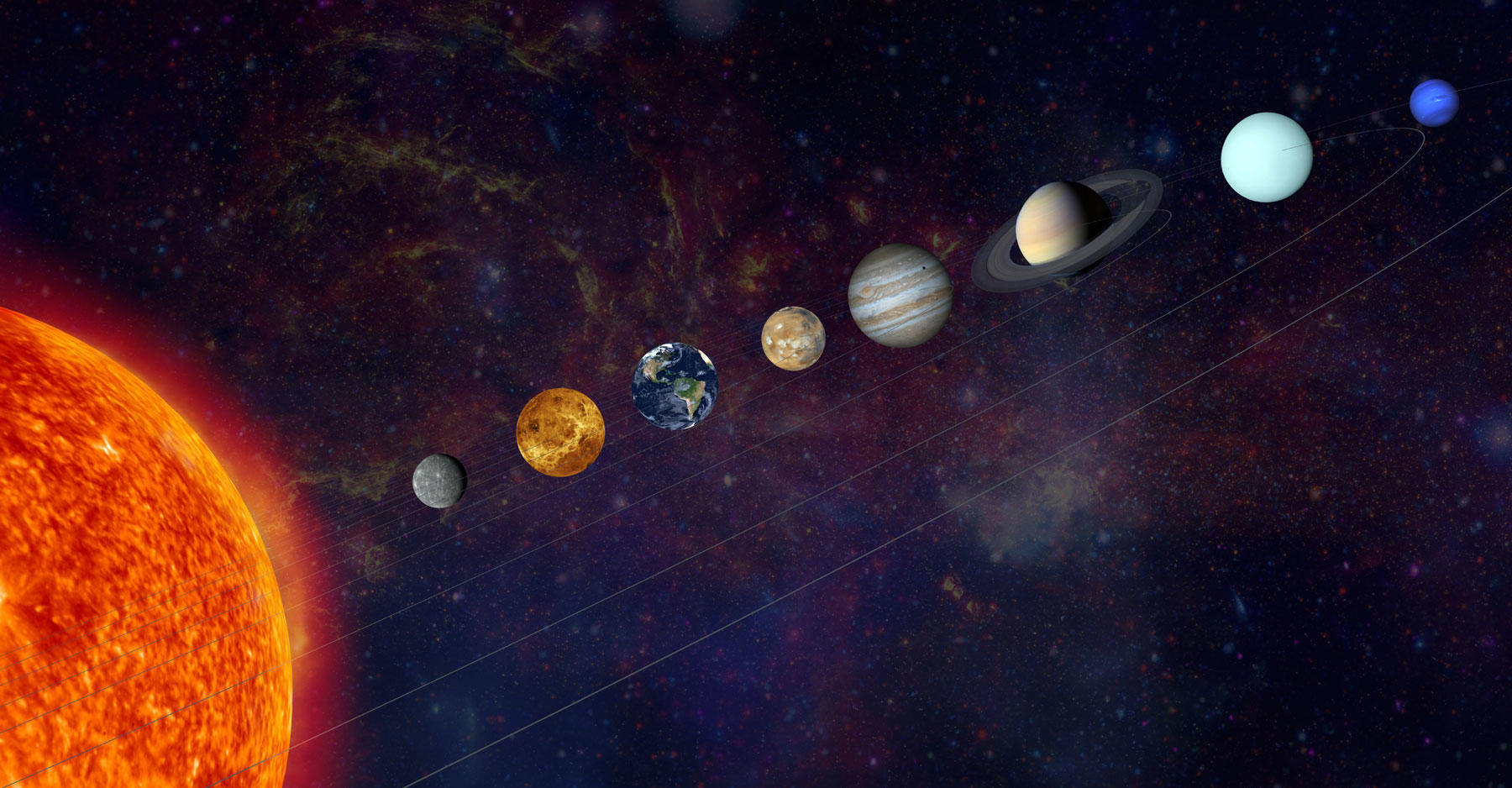
The planets are all equally distanced from each other.


Seventh planet from the sun.
Pluto
Uranus
Saturn
Jupiter
Known as the red planet
Saturn
Mercury
Venus
Mars
What attracts a body toward any other object in space
the sun
satellites
gravity
astroid belt
Which of the following demonstrates how a rotating object spins.
spinning top
falling pebble
bouncing basketball
air hockey puck
What causes the changes from night to day on Earth?
Earth's tilt
Earth's orbit of the sun
The moon orbiting Earth
Earth rotating on its axis
How long does it take the moon to revolve around the Earth?
One season
one rotation of the moon
one Earth rotation
one Earth revolution
Do the inner or outer planets have more moon?
inner
outer
Are the inner or outer planets made up of mostly rock?
inner
outer
Do the inner or outer planets have rings?
inner
outer
Do the inner or outer planets revolve around the sun faster?
inner
outer
Which of the following is NOT a reason why Earth is the only planet with life as we know it?
It's atmosphere
It has water
It's distance from the sun
It's moon
What can transport rovers and people to planets and the moon?
spacecraft
probes
telescopes
airplanes
What is the second planet from the sun?
Mercury
Earth
Jupiter
Venus
How are galaxies classified?
location
size
shape
numer of planets
What causes Earth's seasons?
Earth's orbit
Earth's tilt on its axis
The moon
The speed in which Earth rotates

What type of moon is this?
new moon
full moon
waxing gibbous
waning gibbous

What kind of moon is this?
waning gibous
waxing gibbous
waning crescent
full moon

What kind of moon is this?
waning gibbous
waxing gibbous
waning crescent
waxing crescent
What helps scientists move telescopes in space, controls satellites, launches rockets and works aboard the ISS?
Hubble Space Telescope
Computers
Rovers
Deep Space Probes
What is a remote controlled vehicle that explores Mars?
Computer
Hubble Space Telescope
Rover
Deep Space Probe
Seventh planet from the sun.
Pluto
Uranus
Saturn
Jupiter
Known as the red planet
Saturn
Mercury
Venus
Mars
What attracts a body toward any other object in space
the sun
satellites
gravity
astroid belt
Which of the following demonstrates how a rotating object spins.
spinning top
falling pebble
bouncing basketball
air hockey puck
What causes the changes from night to day on Earth?
Earth's tilt
Earth's orbit of the sun
The moon orbiting Earth
Earth rotating on its axis
How long does it take the moon to revolve around the Earth?
One season
one rotation of the moon
one Earth rotation
one Earth revolution
Do the inner or outer planets have more moon?
inner
outer
Are the inner or outer planets made up of mostly rock?
inner
outer
Do the inner or outer planets have rings?
inner
outer
Do the inner or outer planets revolve around the sun faster?
inner
outer
Which of the following is NOT a reason why Earth is the only planet with life as we know it?
It's atmosphere
It has water
It's distance from the sun
It's moon
What can transport rovers and people to planets and the moon?
spacecraft
probes
telescopes
airplanes
What is the second planet from the sun?
Mercury
Earth
Jupiter
Venus
How are galaxies classified?
location
size
shape
numer of planets
What causes Earth's seasons?
Earth's orbit
Earth's tilt on its axis
The moon
The speed in which Earth rotates
What type of moon is this?
new moon
full moon
waxing gibbous
waning gibbous
What kind of moon is this?
waning gibous
waxing gibbous
waning crescent
full moon
What kind of moon is this?
waning gibbous
waxing gibbous
waning crescent
waxing crescent
What helps scientists move telescopes in space, controls satellites, launches rockets and works aboard the ISS?
Hubble Space Telescope
Computers
Rovers
Deep Space Probes
What is a remote controlled vehicle that explores Mars?
Computer
Hubble Space Telescope
Rover
Deep Space Probe
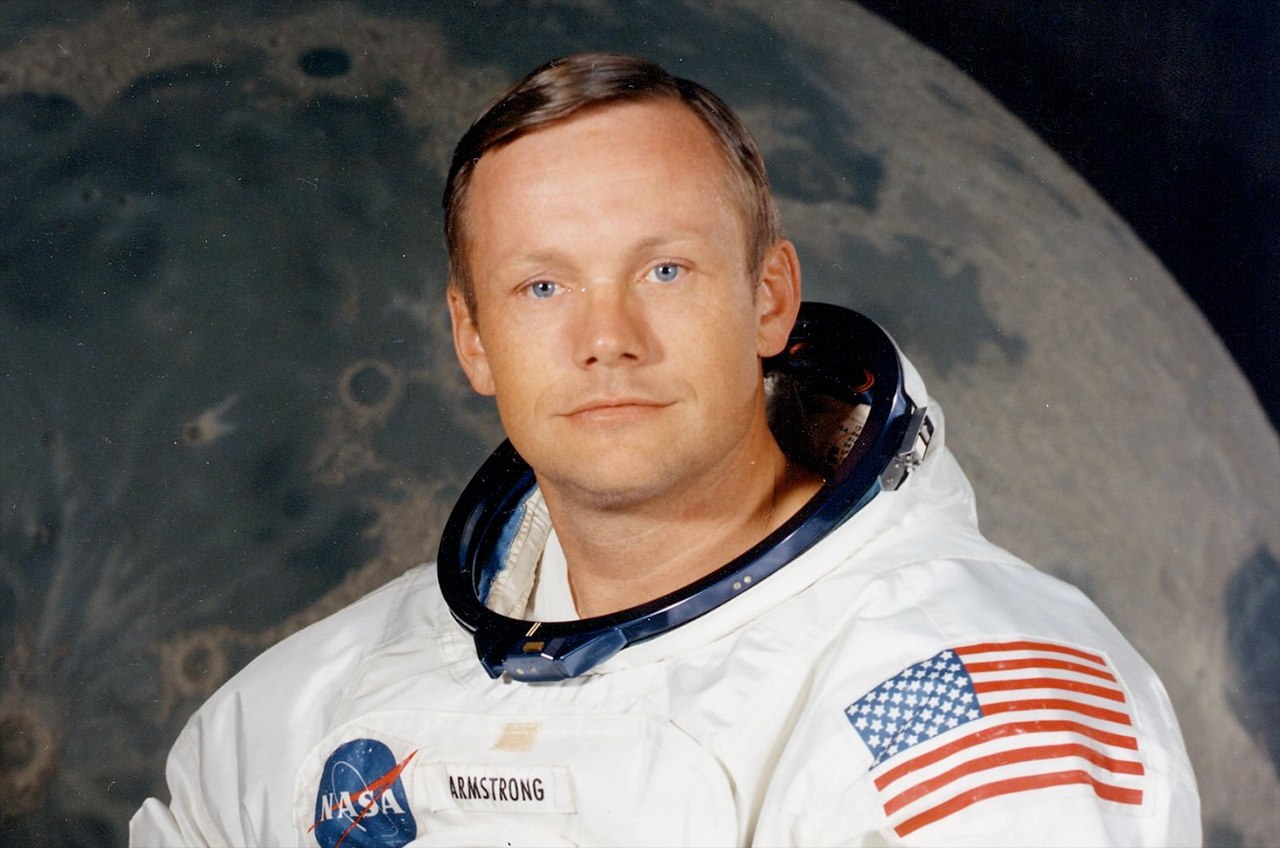
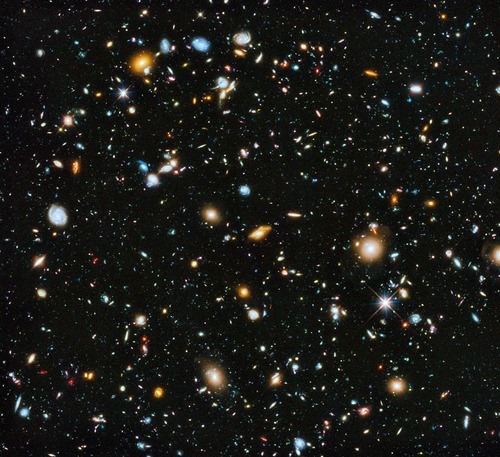
The Universe is a group of:
Celest bodies, matter and energy that are in the space.
Gas, dust and millions of stars
A great ball of gas that proyects light.
The MIlky way
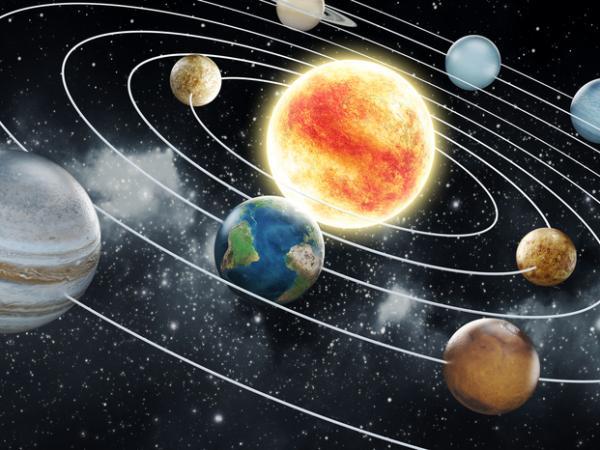
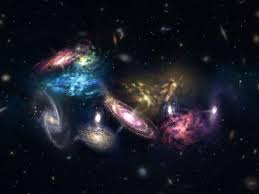
Galaxies are:
gropus of Asteroids
Groups of planets
Groups of stars, gas and dust.
Group of satellites
The types of planets are
Rock, liquid and solid
Gas, terrestrial and solid.
Gas, terrestrial and dwarf.
Gas, terrestrial and rock.
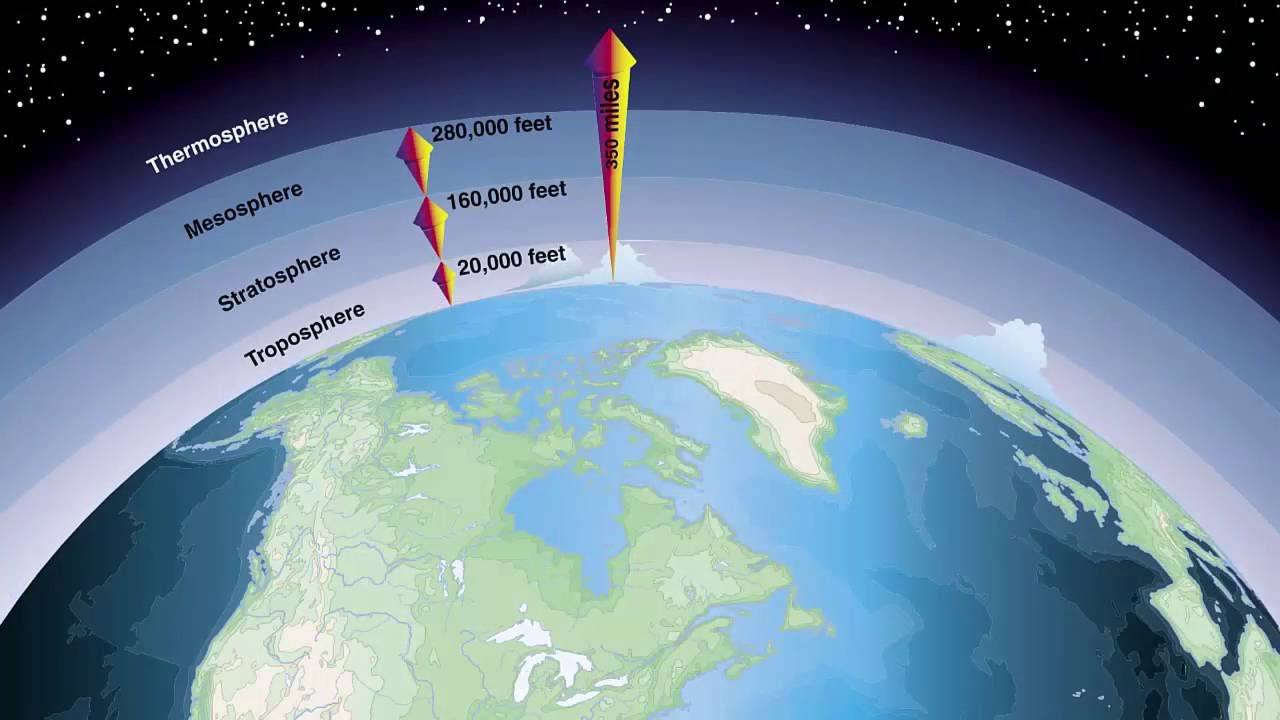
Which layer of the Earth?
Atmosphere
Hydrosphere
Geosphere
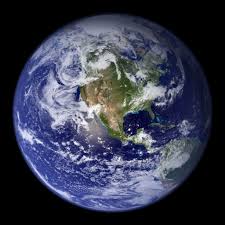
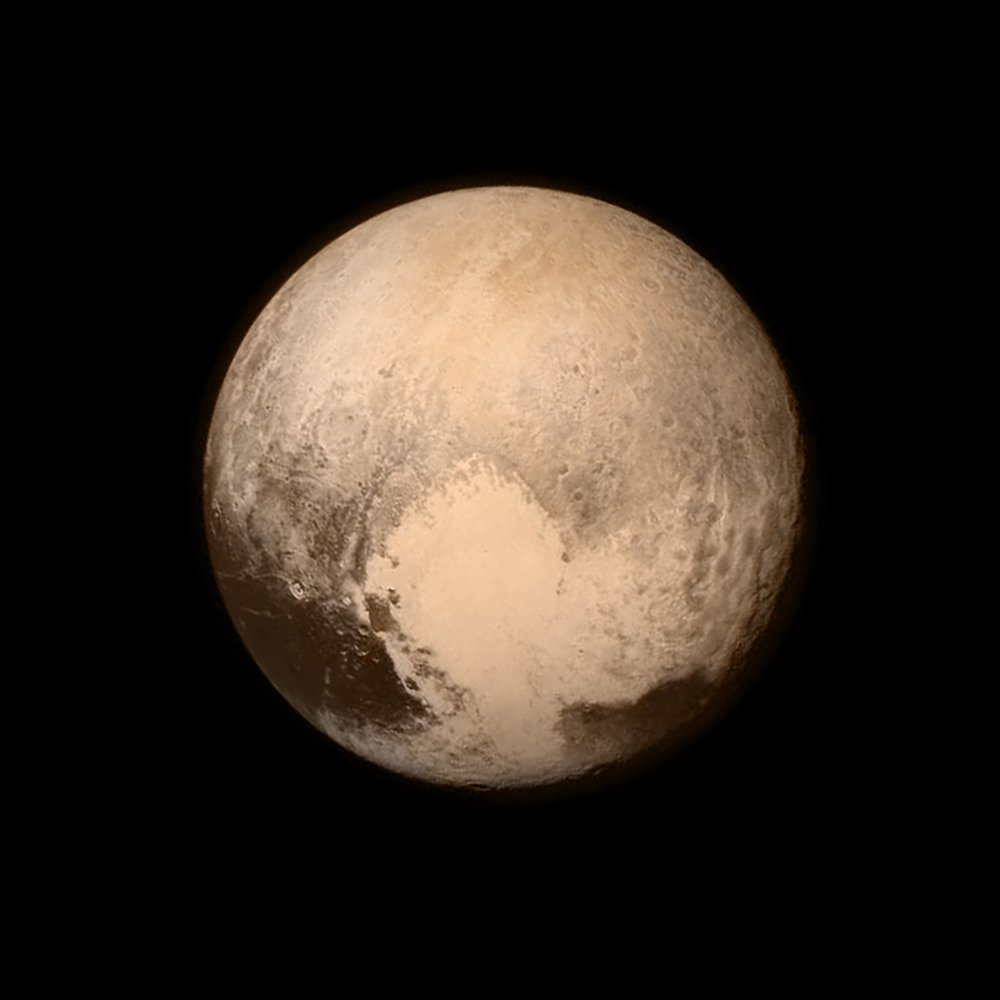
What is the planet ?
Mars
Earth
Pluton
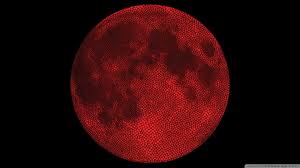
What´s the red planet ?
Mars
Saturn
Venus
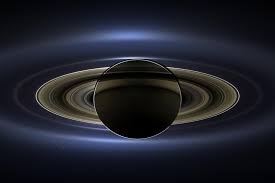
what is the planet ?
Uranus
Venus
Saturn
Mercury is the smallest planet in the Solar System.
True
False
Earth is colder than Mars.
True
False

