wayground logo

Free Printable Worksheets

Font size

S
M
L
XL
Worksheets

Geology SOL 5.8 Earth and Rocks

Total questions: 99

Worksheet time: 1hrs 29mins

Name
Class
Date
1.

In which kind of rock do we usually find a fossil?

a)

sedimentary rock

b)

metamorphic rock

c)

igneous rock

2.
Which layer formed first?
a)
Rock Layer W
b)
Rock Layer X
c)
Rock Layer Y
d)
Rock Layer Z
3.

What are the oldest fossils and why?

a)

B, C- because they are closest to the top

b)

A, B- because they are closest to the bottom

c)

They are all the same age- because they are all found on layer 2

d)

A, B- because they are found closest to the top
4.

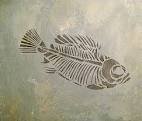
If scientists found this fossil in a desert, what could they infer?

a)

what fish are like today

b)

that this fish lacked oxygen

c)

that water once covered the area where this fossil was found
5.

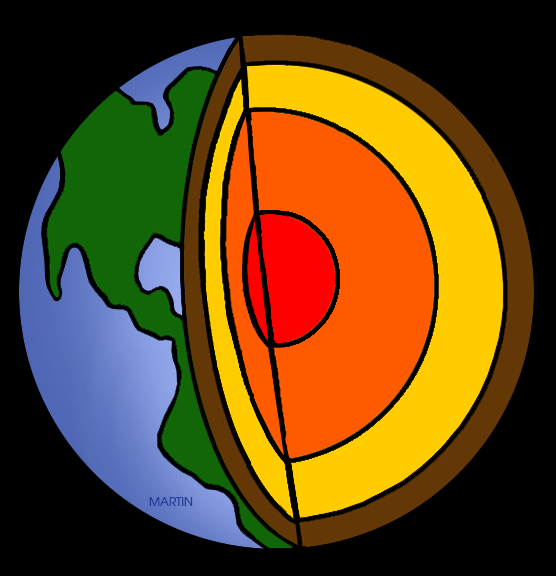
Which layer is shown in red?

a)

crust

b)

mantle

c)

outer core

d)

inner core

6.

Which layer is shown in orange?

a)

crust

b)

mantle

c)

outer core

d)

inner core

7.

Which layer is shown in yellow?

a)

crust

b)

mantle

c)

outer core

d)

inner core

8.

Which layer is shown in brown?

a)

crust

b)

mantle

c)

outer core

d)

inner core

9.

Which shows the order of the layers from COOLEST to HOTTEST?

a)

crust, mantle, outer core, inner core

b)

inner core, outer core, mantle, crust

c)

crust, outer core, inner core, mantle

d)

Trick question! All of the layers are the same temperature!
10.

Which layer is made of "flowing" solid rock (think clay or pudding)?

a)

crust

b)

mantle

c)

outer core

d)

inner core

11.

Which layer is made (mostly) of LIQUID iron and nickel?

a)

crust

b)

mantle

c)

outer core

d)

inner core

12.

Which layer is made (mostly) of SOLID iron and nickel?

a)

crust

b)

mantle

c)

outer core

d)

inner core

13.

Which layer of the Earth is the THINNEST?

a)

crust

b)

mantle

c)

outer core

d)

inner core

14.

Which layer of the Earth is the THICKEST?

a)

crust

b)

mantle

c)

outer core

d)

inner core

15.

Which layer is the hottest?

a)

crust

b)

mantle

c)

outer core

d)

inner core

16.

Which layer is the coolest?

a)

crust

b)

mantle

c)

outer core

d)

inner core

17.

Identify the layer of the earth labeled # 6

a)

crust

b)

mantle

c)

outer core

d)

inner core

18.

We live on the _________________________.

a)

crust

b)

mantle

c)

core

19.
As you travel from the inner core to the crust, how would temperature, pressure and density of the material change?
a)
The would all increase
b)
The would all decrease.
c)
Nothing, the layers are made of the same material throughout
d)
Temperature would decrease, but pressure and density would increase
20.
What is the correct order (starting from the surface) of Earth's layers?
a)
crust, outer core, inner core, mantle
b)
mantle, outer core, inner core, crust
c)
crust, mantle, outer core, inner core
d)
outer core, inner core, crust, mantle
21.
What happens to pressure as we move from the crust down into the inner core?
a)
Pressure Decreases
b)
Pressure Increases
c)
Nothing
22.
What happens to temperature as we move from the crust down into the inner core?
a)
Decreases
b)
Increases
23.
Which layer of the earth is under the highest pressure?
a)
Crust
b)
Mantle
c)
Outer Core
d)
Inner Core
24.

Which crust is thicker

a)

oceanic

b)

continental

c)

bread

d)

pizza

25.

What is a convergent plate boundary?

a)

2 plates coming together

b)

2 plates going apart

c)

2 plates sliding past one another

26.

What is a divergent plate boundary?

a)

2 plates coming together

b)

2 plates moving apart

c)

2 plates sliding past one another

27.

What is a transform plate boundary?

a)

2 plates coming together

b)

2 plates moving apart

c)

2 plates sliding past one another

28.

At which type of plate boundary are earthquakes likely to occur?

a)

Convergent

b)

Divergent

c)

Transform

29.

At which type of plate boundary do rifts and mid-ocean ridges form?

a)

Convergent

b)

Divergent

c)

Transform

30.

Two plates come together or collide at what boundary?

a)

Convergent

b)

Divergent

c)

Transform

31.

Two plates spread or move apart at what boundary?

a)

Convergent

b)

Divergent

c)

Transform

32.

Two plates slide past each other at what boundary?

a)

Covergent

b)

Divergent

c)

Transform

33.

New oceanic crust (sea floor) is created at this boundary.

a)

Divergent Oceanic

b)

Divergent Continental

c)

Convergent Oceanic

d)

Transform

34.

The process where oceanic crust slides under another plate and is melted is called ___________.

a)

seafloor spreading

b)

subduction

c)

continental drift

d)

recycling

35.

What two geologic features occur near every subduction zone?

a)

Volcanoes and Trenches

b)

Rift Valleys and Mid Ocean Ridges

c)

Volcanoes and Rift Valleys

d)

Mid Ocean Ridges and Trenches

36.

When two continental plates converge (collide) what type of crustal feature is formed?

a)

Mid Ocean Ridge

b)

Subduction Zone

c)

Rift Valley

d)

Folded Mountains

37.

If an earthquake occurs at the bottom of the ocean floor what could form as result?

a)

Volcano

b)

Tsumani

c)

Tidal Wave

d)

Hurricane

38.

What is the only event associated with ALL plate boundaries?

a)

Volcanoes

b)

Earthquakes

c)

Subduction

d)

Deep Trenches

39.

The Himalayas in Asia are an example of what type of plate boundary?

a)

divergent

b)

continent-to-continent convergent

c)

ocean-to-continent convergent

d)

transform

40.
When an oceanic plate and a continental plate collide, which one will subduct?
a)
oceanic
b)
continental
c)
neither
41.

A long narrow deep depression in the ocean bed

a)

ridge

b)

fault

c)

trench

d)

rift

42.

A mid-ocean RIDGE is located at the boundary of two tectonic plates. Which diagram correctly models the relative plate motion on each side of a mid ocean ridge?

a)
b)
c)
d)
43.

The San Andreas Fault is a crack in the Earth's crust that runs the length of California. What plate boundary feature caused this?

a)

an inactive convergent boundary

b)

an active convergent boundary

c)

an active transform boundary

d)

a volcanic eruption

44.
How is it possible for new crust to be formed without increasing the surface area of the Earth?
a)
Crust is destroyed at the same time it is created
b)
New crust is underwater where it sinks
c)
New crust breaks more easily than old crust
45.
A subduction zone is formed...
a)
when one tectonic plate sinks below another
b)
at every type of convergent plate boundary
c)
at every type of divergent plate boundary
d)
at transform boundaries
46.
Someone who studies earthquakes
a)
Seismogram
b)
Richter Scale
c)
Seismologist
d)
Seismology
47.
The shaking of the ground
a)
Tsunami
b)
Seismologist
c)
Earthquake
d)
Focus
48.

The movement of magma around the mantle is called a:

a)

tectonic current

b)

pressure current

c)

conductive current

d)

convection current

49.

The line where two tectonic plates meet is called a:

a)

fault line

b)

epicentre line

c)

tectonic line

d)

straight line

50.

The fault line that goes down the West Coast of California is called the:

a)

San Miguel fault line

b)

San Andreas fault line

c)

San Antonio fault line

d)

San Jose fault line

51.

What would you do if you were in an earthquake;

a)

Scream and run about

b)

Call Grandma in England

c)

Drop, Cover and Hold

d)

Jump in the cracks in the floor

52.
Mechanical and chemical processes that breakdown Earth's surface
a)
Weathering
b)
Erosion
c)
Deposition
d)
Delta
53.
moving weathered material (sediment)
a)
Weathering
b)
Erosion
c)
Deposition
d)
Delta
54.
Laying down of eroded material
a)
Weathering
b)
Erosion
c)
Deposition
d)
Delta
55.
Material from broken down rocks
a)
Sediment
b)
Mass wasting
c)
Deposition
d)
Delta
56.
Triangular deposit of sediment entering a large body of water
a)
Delta
b)
Sediment
c)
Mass wasting
d)
Weathering
57.
As erosion from the waves continues, what will most likely happen to the HOLE in this landform?
a)
it will get bigger
b)
it will fill with sediment
c)
it will remain the same
d)
it will permanently fill with water
58.
Which of the following can cause erosion?
a)
falling leaves
b)
flowing water
c)
warmer temperatures
d)
growing grass
59.
The freezing and thawing action of water affects a rock by
a)
transforming the rock into igneous rock
b)
chemically changing the rock
c)
gradually breaking down the rock into smaller pieces
d)
leaving behind sediment particles from evaporation
60.
How do plants MOST commonly break large rocks into smaller pieces?
a)
plant leaves insulate surrounding rocks from temperatures
b)
Plant roots grow into cracks in rocks
c)
seeds from plants fall into rocks and release chemicals
d)
stems of plants surround and squeeze rocks
61.

What is Weathering?

a)

When it rains or snows.

b)

Process of breaking down of rocks into smaller pieces.

c)

Process of moving small pieces of rocks.

d)

Process of laying down small pieces of rocks.

62.
Wind blasting sand at rock and carving out caves
a)
Weathering
b)
Erosion
c)
Deposition
63.
Wind blowing sand from one location to another
a)
Weathering
b)
Erosion
c)
Deposition
64.
What was sand before it was broken down?
a)
soil
b)
rock
c)
water
d)
cement
65.
What is the placement of the rocks after they are broken down and moved?
a)
Weathering
b)
Erosion
c)
Deposition
66.
Water getting into cracks, freezing, and breaking the rocks or pavement apart
a)
Weathering
b)
Erosion
c)
Deposition
67.
What made this landform known as a valley?
a)
Glacier
b)
hill
c)
deposition
d)
rocks
68.
What caused this canyon to form over many years?
a)
Water
b)
Deposition
c)
valley
d)
Plants
69.
This rock was another type of rock that was heated and compressed over time. What type of rock is this?
a)
Sedimentary
b)
Igneous
c)
Metamorphic
70.

This rock started as molten magma but transformed after a volcano erupted. What type of rock is this?

a)

Sedimentary

b)

Igneous

c)

Metamorphic

71.
This rock was formed by smaller pieces of rock that settled at the bottom of a lake millions of years ago. What type of rock is this?
a)
Sedimentary
b)
Igneous
c)
Metamorphic
72.
The process when rocks break into smaller pieces due to exposure to natural elements is called
a)
erosion
b)
weathering
c)
sediments
73.
What are the 3 major types of rocks?
a)
Igneous, Metamorphic, Sedimentary
b)
Metamorphic, Igneous, Cementation
c)
magma, lava, crystals
74.
The process by which metamorphic rocks are formed...
a)
heat and pressure
b)
erosion and deposition
c)
melting and cooling
75.

What do we call the material that comes from rocks that have been broken down into smaller pieces. This usually results from weathering.

a)

texture

b)

weathering

c)

sediment

d)

erosion

76.

Name of the impression of a plant or animal, in the soil, that existed in the past

a)

diamond

b)

hardness

c)

fossil

77.

Geologists are scientists that study _______.

a)

rocks

b)

lakes

c)

rivers

d)

animals

78.

Geologists can find ______ in old rocks.

a)

fossils

b)

toys

c)

sofas

d)

people

79.

A natural way to stop erosion of sand

a)

breakwater

b)

seawall

c)

beach grass

80.
What type of event will occur at this boundary?
a)
Earthquake
b)
Volcano Eruption
c)
Tornado
d)
Mountain Building
81.

_____________________ is the movement of soil and rock by wind, water, ice, and gravity.

a)

Weathering

b)

Erosion

c)

Deposition

82.

What would be a simple way to prevent erosion?

a)

Blocking the wind

b)

Planting trees

c)

Preventing rainfall

d)

Preventing the flow of rivers

83.

A natural way of controlling soil erosion by allowing plants and trees to grow naturally.

a)

natural vigetation

b)

riprapping

c)

contour plowing

d)

crop-rotation

84.
What is Pangaea?
a)
The name of a German Scientist
b)
the name of the supercontinent that existed millions of years ago
c)
another name for continental drift
d)
the name of an ancient fossil
85.
According to the law of superposition, which layer is the youngest?
a)
A
b)
B
c)
C
86.
The Theory of Continental Drift states that Pangaea broke apart and the continents "drifted" away from each other
a)
True
b)
False
87.
Andrew found warm-weather plant fossils while on an expedition to Antarctica.  Which conclusion best supports his find?  
a)
The seeds of plants were carried by flying dinosaurs that escaped Jurrassic Park
b)
The island was once closer to the equator, but has since drifted to its current location
c)
Ancient Mariners transported the plants to the island.  
d)
The plants drifted on the ocean currents to the island.  
88.
Mr. Jones, an archeologist, travels to study land animal fossils from millions of years ago.  He has found fossils of the smae land animals in eastern South America and western Africa.  Which conclusion best supports Mr. Jones' findings? 
a)
The 2 continents were once joined together as part of a larger continent.  
b)
Land animals found from fossils collected from the west coast of Africa are similar to the ones found on the east coast of South America
c)
Early Europeans became Zombies as a Result of the Rock coming to save the world in the movie San Andreas
d)
The animals developed on the two continents at the exact same time
89.
Who is the person credited with developing the theory of continental drift?
a)
Harry Hess
b)
Galileo
c)
Alfred Wegener
d)
Newton
90.
Plate movement is caused by ______________.
a)
the rotation of the Earth
b)
ocean tides
c)
convection currents in the mantle
d)
the moon's gravity
91.
What is this a picture of?
a)
plate tectonics
b)
continental drift
c)
pangea
d)
glacier scaring
92.
What does the theory of continental drift state?
a)
The continents were once joined in a super-continent and have moved over time
b)
Continents are stationary and do not move
c)
The Earth is broken into lithospheric plates that move due to convection currents
d)
none of the above
93.
What is represented by the picture? 
a)
Sea-floor spreading
b)
Pangea
c)
How the continents are arranged today
d)
Volcanoes
94.
How many continents are on the Earth?
a)
7
b)
4
c)
5
d)
2
95.
What is the name of the object by number 5?
a)
Australia  
b)
Africa
c)
Asia
d)
Europe 
96.
What is the name of the object by number 7?
a)
Australia  
b)
Africa
c)
Asia
d)
Europe 
97.
What is the name of the object by number 2?
a)
North America
b)
South America
c)
United States
d)
Europe 
98.
Which two continents do not touch any other continents?
a)
North America and South America
b)
Australia and Antarctica
c)
Asia and Europe
99.
Which continent do you live on?
a)
South America
b)
Africa
c)
North America