
 Worksheets
Rocks and the Rock Cycle
Total questions: 50
Worksheet time: 25mins
What is underground molten rock?
Lava
Magma
Soil
Intrusive
What is above ground molten rock?
Extrusive
Magma
Lava
Sedimentary

Limestone is an example of...
Sedimentary
Igneous
Metamorphic

Sandstone is an example of...
Metamorphic
Sedimentary
Igneous

Granite is an example of...
Igneous
Metamorphic
Sedimentary

Marble is an example of...
Igneous
Sedimentary
Metamorphic

Pumice is an example of
Igneous
Metamorphic
Sedimentary

Quartzite is an example of...
Metamorphic
Igneous
Sedimentary

Basalt is an example of...
Igneous
Sedimentary
Metamorphic

Shale is an example of...
Metamorphic
Sedimentary
Igneous

Gneiss is an example of...
Igneous
Sedimentary
Metamorphic

Obsidian is an example of...
Igneous
Sedimentary
Metamorphic

Coal is an example of...
Igneous
Sedimentary
Metamorphic

Conglomerate is an example of...
Igneous
Sedimentary
Metamorphic
What is it called when layers pile up and press down on the material below?
Compaction
Layering
Cementation
I don't know
When large rocks are broken down into smaller parts by physical and chemical means
Weathering
Erosion
Both
Neither
Clastic, organic and chemical are 3 types of.....
Sedimentary
Igneous
Metamorphic
Intrusive & extrusive are 2 types of...
sedimentary
metamorphic
Igneous
Foliated & non-foliated are 2 types of...
Sedimentary
Metamorphic
Igneous
What causes igneous rocks to form
pressure
cooling magma and lava
compaction
cementation
Pumice has holes in it because...
it cooled slowly underground.
it cooled quickly above ground before the bubbles in the lava could burst.
they were carved by the volcano.
worms crawled in and out creating holes.
If you found basalt, you could infer that...
there may have been magma nearby in the past.
it was once shale, but changed over time.
seashells built up in the area long ago.
there may be fossils in it.
Metamorphic rocks were once...
igneous rocks that cooled too quickly.
any rock that was changed by time, heat, and pressure.
seashells that are pressed together.
layers of mud and sand that built up over time.
Shale is related to slate, as limestone is related to...
quartzite
marble
pumice
basalt


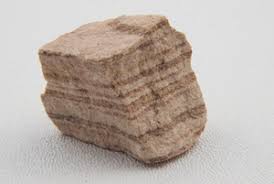
A naturally occurring solid mixture of one or more minerals or organic matter
Rock
Mineral
Glass
Gas
A rock that forms from compressed or cemented layers of sediment/evaporation leaves behind a mixture of hardened minerals
Igneous
Metamorphic
Sedimentary
The rock cycle
Has no beginning or end
Involves rocks never changing
Ends at the Igneous phase
Ends at the metamorphic phase
A process in which something changes completely is
Deposition
Weathering
Erosion
Metamorphosis
The process that move sediment is
Weathering
Erosion
Deposition
Uplift
If a mineral can SCRATCH another one, it is -
harder than the mineral
weaker than the mineral
the same mineral

Calcite can scratch -
Apatite
Fluorite
Talc

Diamond is the hardest mineral.
True
False

What type of property test is a mineralogist conducting when she rubs a mineral over a mirror, tile, or hard surface?
Streak Test
Luster Test
Appearance Test
Cracking Test
How can a Metamorphic rock become an Igneous rock?
Weathering and Erosion
Compaction and Cementation
Heat and Pressurew
Melting and cooling

