
 Worksheets
Genetic factors that affect development
Total questions: 16
Worksheet time: 9mins
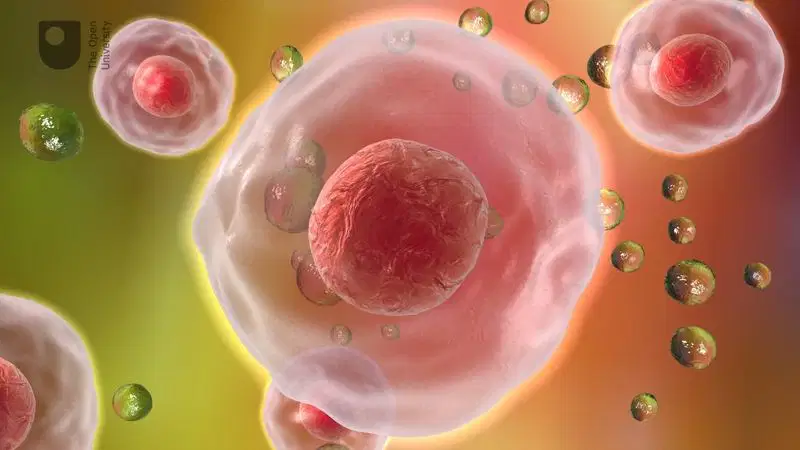
Each living cell in the human body has a nucleus containing - how many pairs of chromosomes?
23
21
16
6
XX combination will mean the baby will be.......
male
female
Down's Syndrome
high risk of cancer

Genes are made of a substance called deoxyribonucleic acid (DNA). What does this carry?
white blood cells for fighting infections
biological instructions to create another life
folic acid to help the baby form in the womb
factors related to nurture

Predisposition diseases are caused by..........
An increased likelihood of acquiring a disease because of an individual’s genetic makeup
The environment inside a mother’s womb can have a dramatic influence on a child’s development. It can affect a child’s long-term development including their attention span and learning abilities.
Inherited genes that determine physical growth, development, health and appearance.
a poor immune system.

Susceptible diseases are......
An increased likelihood of acquiring a disease because of an individual’s genetic makeup
cancer
diabetes
high cholesterol
According to the World Health Organization (WHO), most diseases involve (a) and the complex interaction of many genes.

The environment inside a mother’s womb can have a dramatic influence on a ............................................................ It can affect a child’s long-term development including their attention span and learning abilities.
attachment
disease predisposition
child's social learning
Predisposition diseases include......
Phenylketonuria (PKU)
Colour Blindness
Cystic fibrosis
Foetal alcohol syndrome
Biological factors that affect development. Tick those that are TRUE.
The nicotine inhaled in smoking contains carbon dioxide which gets into the blood stream restricting the amount of oxygen to the foetus.
Children born to mothers who smoke tend to weigh less at birth and are more prone to infections and are twice as likely to die of cot death.
It can affect a child’s long-term development including their attention span and learning abilities.
Taking drugs and getting some types of infection can also damage a child’s development in the womb.
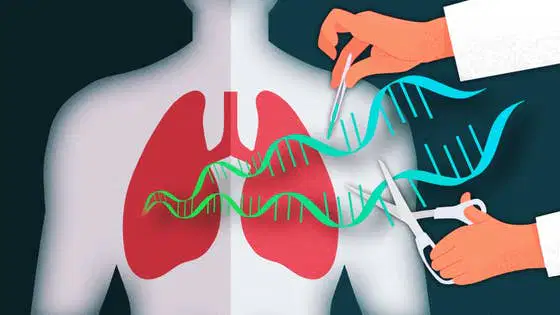
Cystic fibrosis is caused by a ............................................... thought to be carried by as many as 4 per cent of the UK population.
faulty gene
drinking alcohol
smoking during pregnancy
xx formation
In cystic fibrosis the gene is recessive, which means that ...................
only one parent carries it.
both parents must be carriers for their children to develop cystic fibrosis.
it can be altered in the womb
it has a mutation
Cancer is a cell disease that results in them becoming abnormal and dividing to make even more abnormal cells. Most cancers are attributed to ................................................................................... For example, lung cancer is closely linked with tobacco use and skin cancer to over exposure to ultraviolet (UV) light.
genetic factors
biological factors
hereditary factors
environmental and lifestyle factors.
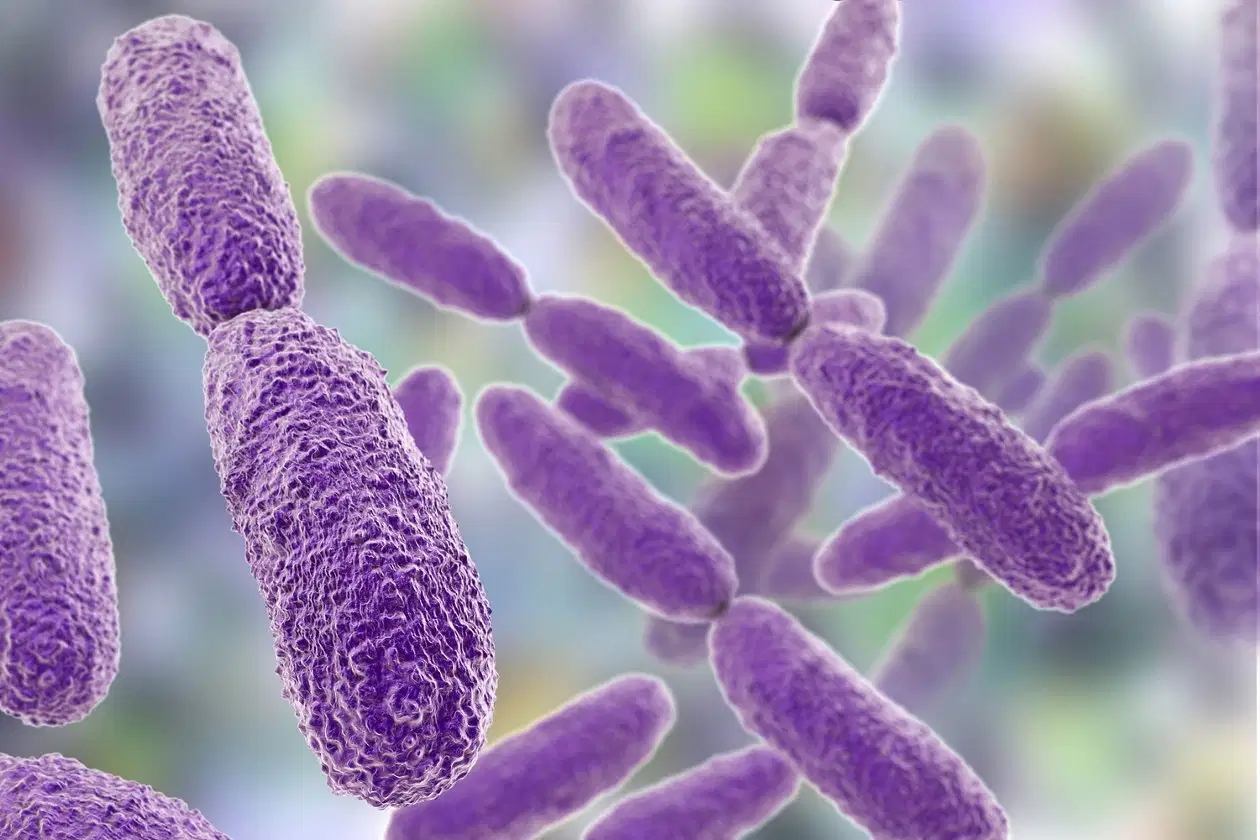
If a pregnant woman is exposed to, or acquires infections such as (a) or cytomegalovirus (a herpes-type virus) the foetus may be adversely affected.
Rubella is particularly dangerous during the first month of pregnancy. If a mother becomes infected in this period her baby may be born with.............................................................. Most women are vaccinated against rubella to prevent this risk.
cleft palate
a virus
impaired hearing or eyesight, or a damaged heart.
predisposition to cancer

.......................................................... are the most common cause of childhood chronic illness, disability and death. About 9 in every 1000 children in the UK are born with these. The most common and severe congenital disorders are heart defects, neural tube defects and Down's Syndrome.
hereditary conditions
cancers
Congenital defects
predisposing factors

Congenital defects may be genetic but other factors can also be responsible.......
socio-economic factors especially lack of access to sufficient nutritious food during pregnancy
environmental factors such as working or living in polluted areas
exposure to chemicals or pesticides, excessive use of tobacco, alcohol and drugs during pregnancy
Infectious diseases (during pregnancy) such as syphilis and rubella.

