
 Worksheets
sound
Total questions: 50
Worksheet time: 1hrs 23mins
Sound is a form of energy produced by ______________.
Vibrations
Distances
Prisms
Forces
Sound waves travel the FASTEST through _____________.
Gases
Liquids
Solids
An object that does not vibrate cannot produce
Sound
Light
Heat
Electricity
A place where no sound exists is...
in the air.
under water.
space.
all of the above
What is Pitch?
How loud or soft a sound is.
Muscle that holds vocal cords.
Movement back and forth.
How high or low a sound is.
When people speak their ________ vibrate.
Ear drums
Vocal chords
Ears
Tongue

____________ is determined by sound's frequency
Compression
Pitch
A sound with a high frequency has a _____ pitch. A sound with a ____ frequency has a low pitch.
high, low
low, high
medium, high
high, medium
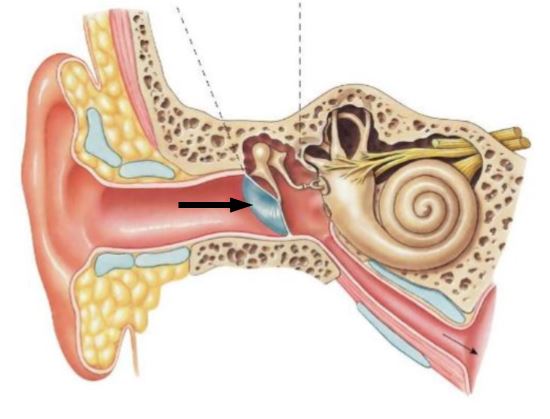
What is this?
Ear Drum
Ear Canal
Nerve
Cochlea
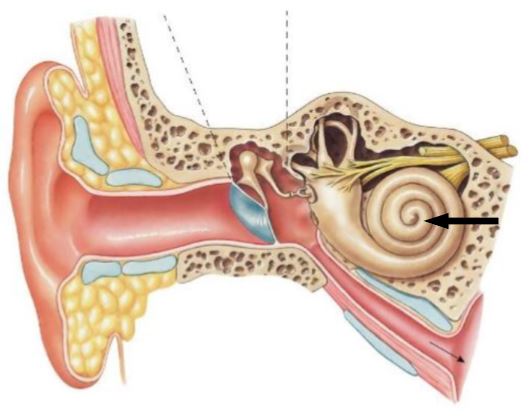
What is this?
Nerve
Ear canal
Cochlea
Ear Drum
What is transported by a wave?
air
energy
matter
particles

A transverse wave is traveling through an unknown medium as shown in the diagram. How are the particles of the medium vibrating?
parallel to the y-axis
parallel to region R
Parallel to the x-axis
Parallel to Region Q
Which type of wave can be a longitudinal wave?
light waves
seismic wave
electromagnetic wave
surface ocean waves
What kind of wave requires the particles of a medium to vibrate and transfer energy?
infrared light wave
Radio Wave
Seismic Wave
Visible light wave
Which list below includes mechanical waves only?
seismic waves, sound waves, and water waves
radio waves, sound waves, waves in a rope
infrared rays, ultraviolet rays, visible light
seismic waves, microwaves and x-rays

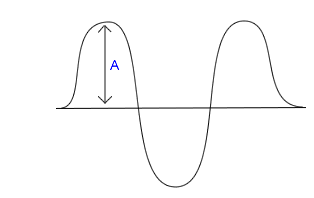
The diagram shows a readout from a device that measures sound waves.
How should these waves be described?
mechanical longitudinal
compressional electromagnetic
compressional transverse
mechanical transverse

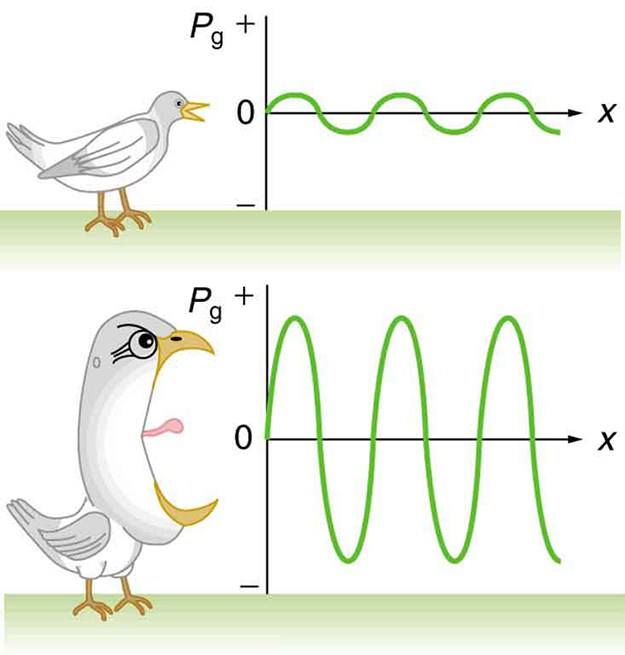
The diagram shows a cartoon of a sound wave produced while a student is speaking.
What happens to the sound wave when the student speaks louder?
The amplitude increases
the wavelength will double
the speed will increase
the amplitude will decrease

Two sound waves of different frequencies interfere and produce a resulting waveform shown with four points (W, X, Y, and Z) marked on the new wave.
At which point will the sound be the loudest ?
W
X
Y
Z

The students in the diagram are communicating with the cans and string.
Which is the most likely explanation of how the students can hear and communicate using the objects?
A Mechanical Wave transfers sound through the string
sound bounces off the can and echoes
sound travels through the string as an electromagnetic wave
Transverse wave transfers sound through rope

The diagram shows a research vessel using sonar to map the ocean floor.
Upon which basic behavior of sound waves does this technology depend?
absorption
compression
reflection
refraction
As any type of wave travels through a medium, what is true about the particles in the medium?
The particles of the medium move in a straight line and are carried with the wave.
the particles of the medium move up and down and are carried with the wave.
The particles of the medium are not carried along with the wave
the particles of the medium move back and forth and are carried with the wave.
A boy has a cork on his fishing line in a lake. His brother throws a rock in the lake near where he is fishing, and the waves created from the rock splashing cause the boy's cork to bob up and down for over a minute. What is the medium for the waves in this scenario?
the cork
the water
the rock
the fishing line
Through which medium is it impossible to transmit sound waves?
space
rock
air
water
Sound waves travel as __________ waves.
transverse
electromagnetic
longitudinal
surface
Loudness of waves is measured in ______________.
hertz
decibels
watts
meters/second
The maximum safe level for loudness is __________.
0 dB
60 dB
85 dB
130 dB
Frequency of waves is measured in __________.
hertz
decibels
watts
meters/second
The highness or lowness of a sound is its ____________.
pitch
volume
amplitude
frequency
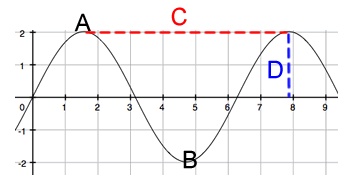




Listen carefully. What sound do you hear?
door knocking
rain falling
bell ringing
Listen carefully. What sound do you hear?
door knocking
hammering
telephone ringing
Listen carefully. What sound do you hear?
rain falling
people laughing
thunder rumbling

