
 Worksheets
Human Geo: Agriculture Review (+ year review)
Total questions: 66
Worksheet time: 36mins
Before the Neolithic Revolution
Very few large farming societies existed
People used slash-and-burn techniques to farm
Food was grown by hand on subsistence farms
Humans were nomadic hunter-gatherers

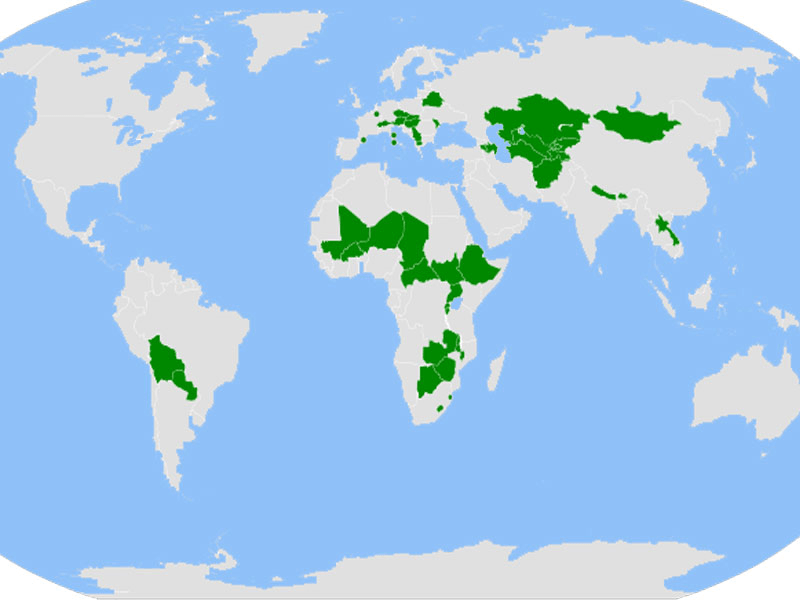
the type of agriculture most likely practiced in the highlighted region is
Mediterranean farming
Pastoral nomadism
Aquaculture
Plantation farming
Farmers who practice mixed crop / livestock earn profits from
Selling grain
Selling animal products (meat / dairy)
Leasing their lands to nomadic herders
Petting zoo entry fees
Profits from plantations usually
End up lost to corrupt governments in developing countries
Plantation owners in developed countries
Fund irrigation projects in Africa
Go directly to workers because owning plantations is now banned in most countries

Grain farming
Ridge tillage
Fallow farming
Tanshumance
According to Johann von Thunen, horticulture should take place
Near the edge of the city because products are easily transported and do not spoil easily
Nearest to the market because products spoil quickly
Outside of grain farming because of the large land requirements
In developed countries
Shifting cultivation takes place in
Developed countries at high latitudes
Arid regions
Mediterranean climates
Developing countries in the tropics / subtropics
The Second Agricultural Revolution began in
Britain
China
Germany
United States
Mediterranean climates are most suitable for
Bananas and pineapples
Olives and grapes
Grain and dairy farming
Rice and barley
The leading source of food energy for people of Central America is
Wheat
Barley
Maize
Rice
Practice of herding animals in mountain pastures during the summer and lowland pastures in the winter
Fallow herding
Transhumance
Shifting nomadism
Pastoral nomadism
In which of the following countries is meat the leading source of protein?
China
Canada
Vietnam
Egypt

Johann von Thunen would use ring 4 for
Grain farming
Dairy and horticulture
Livestock / ranching
Plantation farming
One problem with GMOs is
They tend to spoil faster
African farmers can not benefit from growing them because European markets will not buy them
They often times increase the rate of desertification
They tend to deplete the soil faster than normal crops
The earth area of permanent settlement is called the
hot zone
subpolar region
ecumene
civilized world
A farmer plants corn in a field one year, cotton in the same field the following year, and then corn again. This farmer is practicing ---
subsistence agriculture
commercial farming
crop rotation
slash-and-burn agriculture
shifting cultivation
Which of the following crops is grown on the sides of terraced hills to allow flowing water to run over the plants?
Wheat
Rice
Taro
Soybeans
Millet
All of the following are plantation crops EXCEPT
cotton
tea
sugarcane
rubber
wheat
Which of the following is not an example of Mediterranean agriculture?
Oranges in Florida
Lemons in California
Raisins in Greece
Olives in Italy
Grapes in Southwest Australia
Slash-and-Burn is an example of which agricultural practice?
sustainable farming
pastoral agriculture
collective farming
subsistence farming
plantation agriculture
Feedlots are an example of which kind of farming?
intensive farming
free-range farming
extensive farming
subsistence farming
shifting cultivation
what is relative location?
the position of something in relation to another landmark. For example, you might say you're 50 miles west of Houston.
a fixed position that never changes. It is identified by specific coordinates, such as latitude and longitude

Would you use relative or absolute location to find a location on this map?
relative
absolute

What is infant morality rate?
The number of people in an area that can read or write
The measure infant deaths per 1,000 live births
The number of people living in a particular area
The number of people who are born in a particular area

Is this country Developed or Developing?
Developed
Developing

Predict the future population growth of this country.
Negative Growth (the population will shrink)
Slow/No Growth (the population will stay about the same)
Growth (the population will definitely grow)
Fast Growth (the population will explode)
Which of the following is NOT one of the three primary nutrients needed by plants?
Manganese
Nitrogen
Phosphorus
Potassium
The domestication of plants and animals occurred when?
First Agricultural Revolution
Green Revolution
Industrial Revolution
Columbian Exchange
GDP means ____
Gross Domestic Produce
Growing Domestic Penny
Gross Dominion Power
Gross Domestic Product
To actively seek converts because they view themselves as offering belief systems, universal appropriateness, and appeal. Few in number and of recent origin. EX) Christianity, Buddhism, and Islam
Reincarnation
monotheistic religion
religion
polytheistic religion
universalizing religions
World's first monotheistic religion
Jainism
Hinduism
Judaism
Shintoism
If a Muslim is physically and financially able, they are expected to travel to
Mecca
Palestine
Madrid
Israel
Intensive subsistence agriculture would be found in
South Asia and Latin America
Southeast Asia and sub-Saharan Africa
Latin America and Southeast Asia
East Asia and South Asia
East Asia and Southwest Asia
Rubber, tea, coffee, cocoa, and palm oil is raised in
Mediterranean agricultural areas
areas of shifting cultivation
high latitude zones
market gardens
intensive plantation agriculture

Poland is an example of a ____ state.
elongated
fragmented
compact
prorupted

What is this country an example of?
Perforated
Compact
Elongated
Fragmented
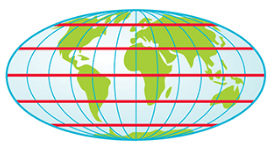
What imaginary line divides our world into Eastern and Western hemispheres?
Equator
Parallel Lines
Map Scale
Prime Meridian
A Muslim worship center is a _________________.
temple
sanctuary
mosque
church
The "Promised Land" is considered to be...
Saudi Arabia
Israel
Iraq
Mesopotamia


How did domestication of plants and animals affect early man?
They could have pets
They could visit distant places
They could hunt and gather
They could stay in one place for a long time


What did the landbridge pictured here allow the hunter-gatherers to do?
establish permanent settlements
set up farms
migrate across continents
have protections from enemies
This dialect, also referred to African American Vernacular English (AAVE), is spoken by some African Americans:
Ebonics
Lingua Franca
Lingua Africanse
Swahili

Identify this highly developed region in northern Europe composed of socialist-leaning countries like Sweden, Norway and Denmark .
Eastern Europe
Siberia
Scandinavia

Identify the major religion of the highlighted region.
Islam
Hinduism
Christianity

Running straight through Greenwich, England, identify this line of longitude located at 0 degrees longitude.
Equator
Prime Meridian
International Date Line
A regional variety of a language with unique features such as vocabulary, grammar, or pronunciation.
Cuture
Custom
Dialect
Religion
Someone who has migrated to another country in the hope of being recognized as a refugee.
Emigrant
Immigrant
Asylum Seeker
Refugee
Land suited for agriculture is called
arable land
arid land
agricultural density
population density


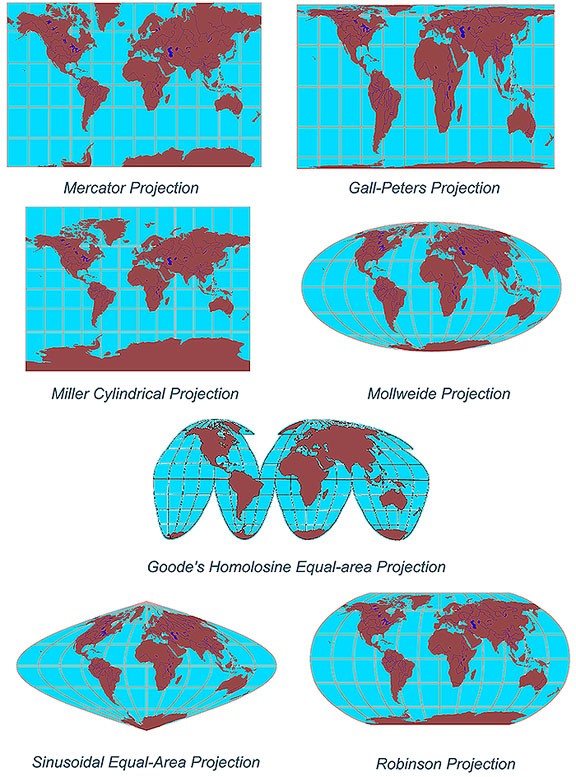
What kind of map is the one pictured here?
Physical
Political
Thematic

Shown in the image this is an informal region in the Southern United States in which socially conservative evangelical Protestantism plays a strong role in society and politics, and Christian church attendance across the denominations is generally higher than the nation's average.
Rust Belt
Church Belt
Bible Belt
Sun Belt

A region that exists as an idea in someone's mind:
formal region
functional region
perceptual (vernacular) region

John Snowden's cholera map is a ______ map:
cartogram
choropleth
dot density
graduated symbol
topographic

Name one of the five oceans.
(a)

Which ocean borders our state, Virginia?
Pacific Ocean
Indian Ocean
Atlantic Ocean
Southern Ocean

What State is Red?
Alaska
Maine
Hawaii
Texas

