
 Worksheets
Biodiversity, P/C Changes, & Dichotomous Key CCA Review
Total questions: 30
Worksheet time: 16mins

Which of the following forms of biodiversity describes all of the different livable spaces in an ecosystem?
Species
Habitat
Genetic
None of the Above

Which do you think has a higher species diversity biodiversity, a food chain or a food web?
Food Chain
Food Web

What has a higher biodiversity: a rain forest or a desert?
Rain forest
Desert
They have a similar biodiversity

In general, as you move from the equator to the poles, what happens to biodiversity>
Increases
Decreases
Remains the same

Why is biodiversity in an ecosystem so important?
Because it can help humans where to determine good places to develop farm land.
Because places that have a healthy biodiversity are unaffected by major disturbances.
Because having a high biodiversity allows ecosystems to withstand major changes.
Because having a high biodiversity allows for fewer opportunities of competition for similar resources.

What is another term for traits that a species helps them survive major changes in an ecosystem?
Resiliency
Adaptation
Disturbances
None of the above

What happened to the biodiversity in Yellowstone national forest with the addition of wolves to that temperate forest ecosystem?
Increased
Decreased
Stayed the same

What is happening to the biodiversity of the aquatic ecosystem as a result of the Great Barrier Reef dying?
Increased
Decreased
Stayed the same
Which of the following terms describes any major changes that may occur to an ecosystem?
Distubance
Resiliency
Adaptations
Biodiversity
Which factor is most likely to cause the number of rabbits living in an area to increase?
less water
fewer predators
lack of shelter
limited food
Which of the following examples provides evidence of a PHYSICAL change?
Wood is burned and releases ash and smoke
Iron rusts over time
When mixed, baking soda and vinegar form gas bubbles
Boiling water bubbles when heated
Which of the following options provides evidence of a CHEMICAL change?
Wood is burned releasing ash and smoke
Rocks separate when soil is sifted
Boiling water bubbles when heated
Salt dissolves in water

A white tablet is dropped into water. The water becomes cloudy and bubbles are produced. What type of change has occurred?
Physical change
Chemical change
No change

Water is boiling on a stove, producing steam. What conclusion can you make about the change that is occurring?
Boiling water bubbles indicate a chemical change
Steam indicates a state of matter change
Heat indicates a chemical change
The clear color indicates a chemical change
Which observations prove a chemical change occurred
Dissolving and expected color change
Mixing and dissolving
State of matter change and boiling water bubbles
Unexpected color change and temperature change
A physical change...
changes the physical properties of an object, but does not create a new substance.
creates a new substance and cannot be undone.
A chemical change
changes the physical properties of an object, but does not create a new substance.
creates a new substance and cannot be undone.

Is this an example of a physical or chemical change?
physical
chemical

Is this an example of a physical or chemical change?
physical
chemical

Is this an example of a physical or chemical change?
physical
chemical

Is this an example of a physical or chemical change?
physical
chemical

Is this an example of a physical or chemical change?
physical
chemical

Which of the following is NOT an example of a physical change?
crumpling paper
sharpening a pencil
clothes shrinking
sour milk
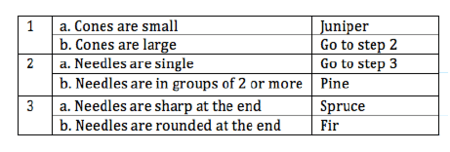

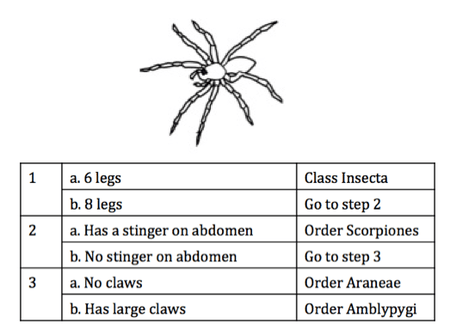

Which leaf is shown in the drawing?
Magnolia
Redbud
Sweetgum
None of the above

Which of the paired statements could be used to tell the difference between the two insects using a dichotomous key?
Has 6 legs
Has 8 legs
Large hind legs
Small hind legs
2 pairs of spots on wing cover
3 pairs of spots on wing cover
Antennae absent
Antennae present

