
 Worksheets
Economics Chapter 1 Review
Total questions: 58
Worksheet time: 3hrs 54mins
If the Pennsylvania state government makes a decision according to the best combination of costs and benefits, they are ___________.
economizing
incentivizing
estimating their utility
setting up a cost-benefit analysis
Shilo is planning a family vacation to the beach. While planning the trip, Shilo is trying to decide if they should go for a long weekend or spend a few extra days and stay for the week. Each additional day they stay will cost money but they will also gain the benefit of being on vacation longer. Which economic concept/tool applies best to this scenario?
incentive
utility
production possibilities curve
cost-benefit analysis
Which of the following is a tool used by economists to show the impact of scarcity on an economy?
production possibilities curve
cost-benefit analysis
opportunity cost
factors of production
The study of how individuals and societies satisfy their unlimited wants with limited resources is known as ____.
economics
choice
factors of production
economize
In economics, the maker of a good or service is known as the ________.
consumer
producer
capital
statistics
A receptionist at a doctor's office.
A carpet installer for a flooring company.
A cyber security expert at a bank.
A police officer.
A garbage collector.
labor
capital
factors of production
marginal cost
A person who buys a good or a service is known as _____.
consumer
producer
entrepreneur
factors of production
Zeb got a raise at work. He is trying to decide if he should invest the extra money or put it towards paying down credit card debt.
The extra money Zeb received is known as _____ in economic terms.
marginal cost
marginal benefit
incentive
utility
The resources used to produce goods and services are known as ______.
factors of production
capital
producer
land

What is being analyzed in this graph?
production possibilities curve
cost-benefit analysis
statistics
marginal benefits

A lawyer
A plumber
A mechanic
Lawn Mowing
Internet
good
service
utility
technology
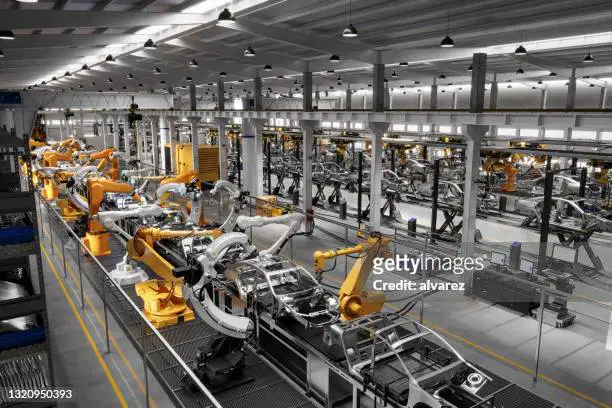
Saw at a sawmill
Mechanic's tools
Laptop
Printer
Pen
X-Ray equipment at hospital
factors of production
capital
services
goods
The normal price of Pop Tarts is $3.50.
This week they are on sale for $2.00.
There are 3 boxes in your shopping cart. You are trying to decide if the 4th box is worth another $2.00.
What is the additional $2.00 for the 4th box called in economic terms?
marginal cost
marginal benefit
opportunity cost
production possibilities curve
Desires that can be satisfied by consuming a good or service are known as ____.
wants
needs
services
benefits
A greenhouse should be able to produce 400 tomato plants and 300 cucumber plants in a season.
This season, the greenhouse produced 200 tomato plants and 100 cucumber plants.
What economic term best applies to this scenario?
underutilization
impossibility
scarcity
law of increasing opportunity cost
Objects such as food, clothing, and furniture that can be bought are known as ____.
good
service
want
capital
A simplified economic representation of an economic concept like a Production Possibilities Curve,
or Cost-Benefit Analysis is known as a(n) ______.
incentive
economic model
trade-off
scarcity
A Production Possibilities Curve has 4 assumptions that must occur for it to be used. Which of the following is not one of them?
Who will have access to the goods and services produced?
All resources are fully employed.
More resources cannot be added to the production process.
Technology cannot change.

Involves the vision, skills, and risk-taking needed to create and run businesses.
Entrepreneur
Producer
Consumer
Normative economics
The value of something given up to get something else that is wanted is known as the ____ in economics.
opportunity cost
trade-off
efficiency
scarcity
This exists when there are not enough resources to satisfy human wants.
It forces consumers, producers, and governments to make choices when utilizing their limited resources.
scarcity
shortage
underutilization
economics
Producing the maximum amount of goods and services possible is known as ____ and is apparent on a PPC on the curve (frontier).
efficiency
underutilization
production possibilities curves
cost benefit analysis
The benefit or satisfaction received from using a good or service; this economic term is one piece of the decision-making process.
utility
marginal benefit
cost-benefit analysis
efficiency
As production switches from one product to another, increasing amounts of resources are needed to increase the production of the second product. This is known as ___.
opportunity cost
the law of increasing opportunity cost
underutilization
positive economics

water
oil
corn
sand
wheat
cows
natural gas
eggs
goods
services
land
capital
The study of economic behaviors of individuals, families, and businesses as well as prices, costs, competition, and profits.
microeconomics
macroeconomics
positive economics
normative economics
The study of the economy as a whole and large-scale economic activities like tax policy.
microeconomics
macroeconomics
positive economics
normative economics
Economic behavior as it is without judgement or opinion.
"The national unemployment rate is currently 3.8%."
microeconomics
macroeconomics
normative economics
positive economics
Economic statement that involves judgments of what economic behavior ought to be.
"The government should raise taxes. They have run up the national debt and there's no other way they can pay it off."
microeconomics
macroeconomics
positive economics
normative economics
A good that is provided by nature or a government is known as a ____.
Examples of this would include national parks, the post office, education, and prisons.
private good
need
public good
exclusionary good
Why must societies answer the 3 economic questions?
Their citizens will vote them out of office if they don't meet the needs of the people.
They have to determine which goods will be public goods and which goods will be private goods.
Both exclusionary and non-exclusionary goods are necessary for a stable economy.
Scarcity forces societies to make a determination in how they are going to utilize their resources.
A government has to decide if they are going to use their resources to provide education, aid the development of manufacturing, and encourage advancement in technology.
Which of the "3 Economic Questions" does this statement apply to?
What will be produced?
How will it be produced?
Who will have access to it?
What type of labor do we want to have, highly skilled or agrarian?
________________ is the basis for everything in Economics.
Scarcity
Choice
Opportunity Cost
Shortages
Which of the following is NOT an example of the Factors of Production?
Land
Labor
Capital
Law of Increasing Costs

Economics can be described as the study of
money
choices
graphing
price ceilings and price floors

The condition of scarcity can be described as one that
afflicts only poor people and nations
exists when our unlimited needs/wants exceed our limited resources
exists when the opportunity costs of a decision have equal value
only applies to luxury items

Which description is most correct about opportunity cost (OC)?
Impacts small businesses more often than large businesses.
Can be avoided if you have enough money.
Is inherent in all decisions/choices.
Can only be expressed in financial terms.

The difference between scarcity and shortage is
Scarcity is a natural & re-occurring condition; shortage is a man-made, fixable condition.
Shortage only happens with new products.
Shortage is a natural & re-occurring condition; scarcity is a man-made condition.
Shortage is the fundamental, universal economic problem.
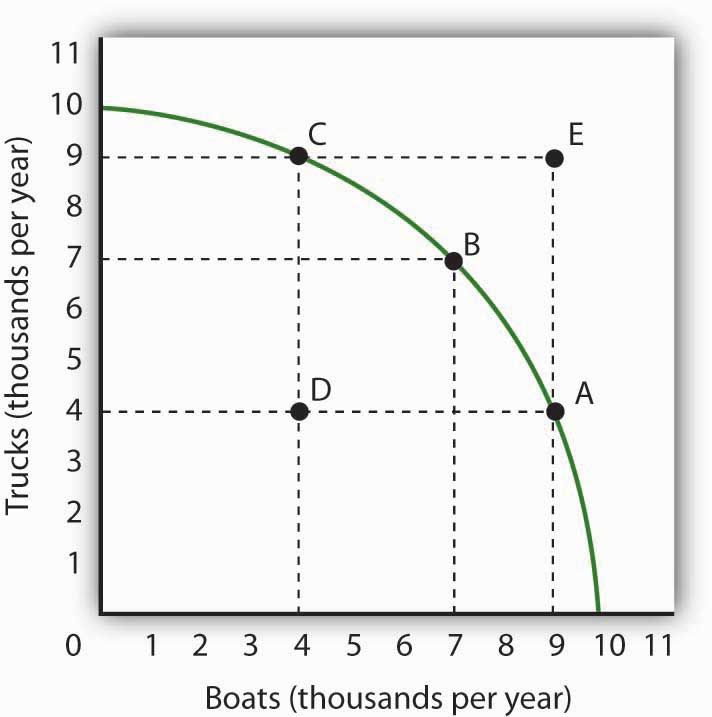
a new invention increases the speed of production
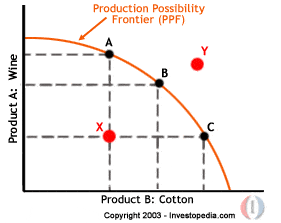
What does point Y represent on the PPC?
Efficiency
Impossibility
Inefficiency
Underutilization
Which of the following is NOT a question that results from scarcity?
What will be produced?
Where will it be produced?
How will it be produced?
For whom will it be produced?
_ is a way of describing and explaining economics as it is, not as it should be.
_ is a way of describing and explaining what economic behavior ought to be, not what it actually is.
Macroeconomics; Microeconomics
Microeconomics; Macroeconomics
Positive Economics; Normative Economics
Normative Economics; Positive Economics

Businesses purchase the factors of production from households.
In what market do businesses sell goods and services to households?
Product Market
Factor Market
Resource Market
In what market are the factors of production bought and sold?
Product Market
Factor Market
In a free market economy, who owns the resources?
businesses
the federal government
households
local governments
A person stocks shelves at a grocery store and receives a wage. They have completed an exchange in which part of the circular flow model?
Individuals
Businesses
Factor Market
Product Market
Someone buys a car in exchange for a large amount of money. They have completed an exchange in which part of the circular flow model?
Product Market
Factor Market
Firms/Businesses
Individuals
What is a public good?
A good that cannot be used up; it is available to all
A good supplied by a business
A good that is consumed by one consumer and then is used up
What households provide to the government
What is a private good?
A good provided by the government
A good that can not be used up
A good that is consumed by one consumer then used up
A good given by households to the government
Governments provide businesses with public goods and in return businesses give____________ to the government.
Goods/services
Money
Labor
Taxes

flow of goods and services

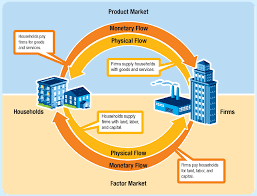
This diagram is called a:
Production Possibilities Curve
Supply and Demand Curve
Circular Flow Model
Circular Motion Equation
Public Goods Store
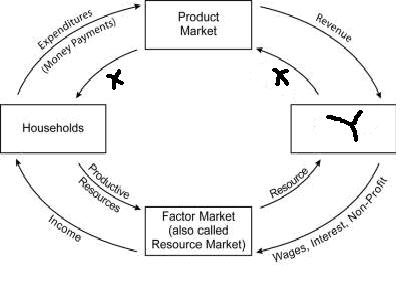
Firms/Businesses

