wayground logo

Free Printable Worksheets

Font size

S
M
L
XL
Worksheets

QUIZ Personal Finance Loris

Total questions: 40

Worksheet time: 35mins

Name
Class
Date
1.
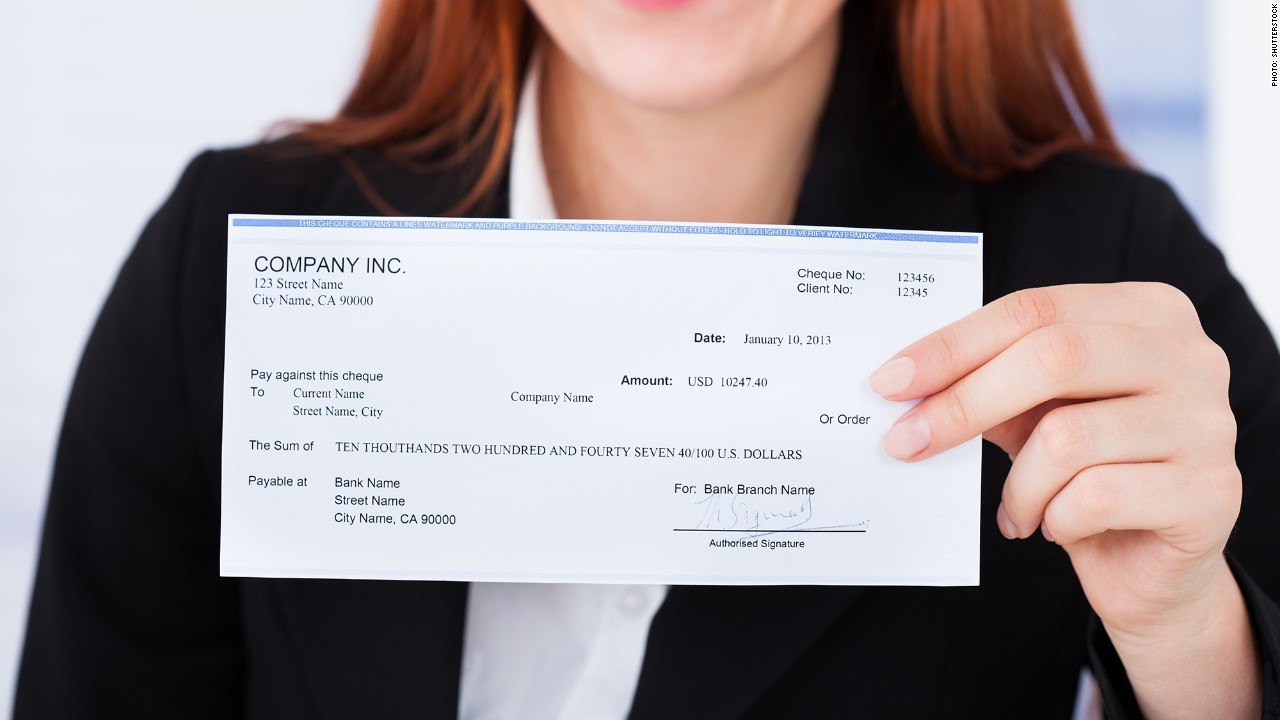
This is a written request to your bank to take money from your account & pay it to someone else.
a)
Check
b)
Telephone Call
c)
Text
d)
Email
2.
This allows you to withdraw cash from your account or make payments electronically.
a)
Debit Card
b)
Loan Account
c)
Signature Card
d)
Payday card
3.
The action enters money into an account.
a)
Deposit
b)
Withdrawal
c)
Loan
d)
Deduction
4.
This action allows movement of funds from one account to another.
a)
Transfer
b)
Debit
c)
Credit
d)
Loan
5.
Orrin had $541.06 in his checking account, and a check that he wrote to his landlord for $560.00 was just deposited.
This will result in which of the following fees?
a)
overdraft fees
b)
service fees
c)
atm fees
d)
over spending fee
6.
Sherwood Bennett, who has a checking account at Big Bucks Bank, is writing a check to Cassie Porter, who has a checking account at Lots a Loot Bank.
What should be written on the "Pay to the order of" line of the check?
a)
Big Bucks Bank
b)
Cassie Porter
c)
Lots a Loot Bank
d)
Sherwood Bennett
7.
The number of a checking account is also known as the:
a)
Pin Number
b)
Social Security Number
c)
Routing number
d)
Account Number
8.
The number in the bottom middle of the check is called:
a)
Account number
b)
Check number
c)
Routing number
d)
Memo line
9.
The number in the bottom left corner of the check is called:
a)
Account number
b)
Check number
c)
Routing number
d)
Memo line
10.
What is one advantage of having a credit card?
a)
It prevents you from spending more than you earn.
b)
It allows you to make purchases without carrying lots of cash.
c)
It encourages you to budget your money wisely.
d)
It helps you pay off debts that you may have.
11.
When you make a credit card purchase at a store, who do you agree to pay?
a)
The store.
b)
The bank where the store keeps its money.
c)
Your credit provider.
12.
How do credit card companies make money?
a)
By charging late fees and interest to their customers.
b)
By making you pay an extra dollar on every purchase.
c)
By charging late fees and interest to stores and other businesses.
d)
By earning interest on the money they have saved up.
13.
The cost of credit expressed as a yearly interest rate is known as:
a)
Annual Percentage Rate (APR)
b)
Annual Fee
c)
Penalty APR
d)
Introductory Rate
14.
Examples of penalty fees include:
a)
over-the-limit fee
b)
late payment fee
c)
returned payment fee
d)
all of these
15.
Having a high credit score will allow lenders to give you lower interest rates.
a)
True
b)
False
16.
The maximum amount you may borrow on a credit card is known as:
a)
creditworthiness
b)
credit report
c)
credit limit
d)
variable rate of credit
17.
What is an annual fee? 
a)
The act of transferring money 
b)
A fee charged by a card issuer for being a card holder. 
c)
The days between the last statement and the current statement. 
d)
A fee charged to a cardholder's account once a payment is late. 
18.

Unearned income is reported on your tax form and taxes must be paid on them.

a)

True

b)

False

19.

Tax deductions are calculated as a percentage of net pay.

a)

True

b)

False

20.

Social security is the tax that pays for medical insurance for older adults.

a)

True

b)

False

21.

Which form is used to report an employees earnings and taxes paid in a year?

a)

W-2

b)

W-4

c)

I-9

d)

1040

22.

By what date must employers provide, or place in the mail, a wage earner's W-2 statement?

a)

January 1

b)

January 31

c)

April 1

d)

April 15

23.

What is the deadline for filing personal income tax?

a)

March 15th

b)

April 15th

c)

June 15th

d)

December 15th

24.

What are the four most common taxes that come out of a person’s payroll check?

a)

Federal Income Tax

b)

State Income Tax

c)

City/Local Income Tax

d)

Medicare Tax

e)

Social Security

25.

Wages, salary and tips

a)

unearned income

b)

earned income

c)

disposable income

26.

Jess is 21, a part-time college student, & has a job that provides 65% of her support. Is she a dependent?

a)

Yes

b)

No

27.

The more allowances you claim on your W-4...

a)

The more money is withheld from your paycheck

b)

The less money is withheld from your paycheck

c)

The # of allowances doesn't impact how much $ is withheld

d)

You claim allowances on a W-2, not the W-4

28.

In which category should you have to make the most cuts in the budget?

a)

Savings

b)

Variable/Flexible Expenses

c)

Fixed Expenses

d)

Emergency Fund

29.

What is the study of economics?

a)

How people satisfy their wants in a world of scarcity.

b)

The best way to run a society.

c)

Wealthy nations waste their resources

d)

Production of new technology

30.

Personal & Family Budget is.

a)

A detail list of income

b)

A detail list of expenses

c)

A detail list of expected income and expenses

31.
When getting a loan for a car, the ____ is an additional fee you will have to pay back.
a)
Fixed Expense
b)
Discretionary Expense
c)
Inflation
d)
Interest
32.

Chapter 7 Bankruptcy eliminated all debt except (student loans, government taxes, child support and alimony). True or False

a)

True

b)

False

33.
To pay for the costs of health care, most people rely on ...?
a)
Health Departments
b)
Health Insurance Plans
c)
Healthy eating
d)
HIPPA
34.
Requires that specific percentages of expenses are shared by the patient and insurance company. 
a)
Co-insurance
b)
Deductible
c)
Co-payment
d)
Medigap
35.
One disadvantage of this type of insurance is the insured is required to use only in network affiliated health care providers for health care. If a non-affiliated health care provider is used the insured must pay for the care. 
a)
Tricare
b)
Health Maintenance Organization (HMO)
c)
Managed Care
d)
Preferred Provider Organization (PPO)
36.

Identify the types of Private Insurance of healthcare.

a)

Medicare

b)

HMO

c)

Medicaid

d)

PPO

37.

Which of the following are government-funded health insurance?

a)

PPO

b)

Medicare

c)

Medicaid

d)

HMO

38.

Which insurance typically requires the patient to visit their primary care physician before seeing a specialist?

a)

HMO

b)

PPO

c)

Medicare

d)

Medicaid

39.

The ACA did all of the following EXCEPT

a)

Extend the age through which children can stay on their parents' plans

b)

Provided guaranteed coverage for pre-existing conditions

c)

Established price controls for medications

d)

Made dental and vision coverages mandatory.

e)

Capped the profits allowed by private insurance companies

40.

HIPAA stands for _______________________

a)

Hospital Insurance Privacy and Accountability Act

b)

Health Insurance Portability and Accountability Act

c)

Heavy Industry Problem and Accountability Act

d)

None of these