
 Worksheets
Genetics and heredity Unit 6
Total questions: 24
Worksheet time: 30mins

THis technique is called
chromatography
amino acid sequence
gel electrophoresis
DNA sequencing
THis technique is used to separate fragments of DNA based on
sequence
size: large at top, small go to bottom
size: large go to bottom, small stay at the top
weight

This technique is called _______ and is used to separate _______
chromatography / DNA fragments
electrophoresis/ pigment molecules
chromatography / pigment molecules
electrophoresis/ DNA fragments
Genetic Diversity is important for which of the following reasons?
disrupts the stability of ecosystems
having identical organisms ensures a healthy ecosystem
having many alleles present in a population increases survival chances
cloning organisms is the best way to sustain a population
In the double stranded DNA molecule, which bases pair together?
T:A and C:U
T:A and C:G
T:U and C:G
C:T and A:U
In protein synthesis, DNA must first be copied into which molecule? (transcription)
DNA is replicated before division in the nucleus
DNA is copied into amino acids in the ribosome
DNA is copied into mRNA in the nucleus
mRNA is copied into amino acids at the ribosomes
In protein synthesis, the mRNA is then used as
a template in the nucleus
a template to make more DNA
mRNA is used to assemble amino acids at the ribosome
mRNA is used as a template for DNA copying
Which of the following shows the relationship correctly
Genes are a segment of DNA that are transcribed to mRNA and translated into amino acids to make a protein
Genes are a segment of DNA that are transcribed to amino acids and translated into mRNA to make a protein
chromosomes are segments of DNA that code for proteins
there are several chromosomes on one gene
Which of the following is correct?
genes are made of DNA. There are several genes on one chromosome, there are several chromosomes in the nucleus
proteins are made of DNA. There are several proteins on one chromosome, there are several chromosomes in the nucleus
DNA is made of proteins that make up chromosomes
genes are proteins that code for DNA sequences

Which of the two organisms likely have the most similar amino acid sequence?
Tuatara and bird
snake and crocodile
bird and crocodile
crocodile and lizard
Which chemical is responsible for passing hereditary information on to the next generation?
proteins
nucleic acids
carbohydrates
lipids
If 15% of a double stranded DNA genome is composed of "C" molecular bases, then what must also be true?
15% is A
15% is T
15% is U
15% is G

These diagrams indicate what about the evolutionary relationship among three organisms
A, B and C are all mammals
A and B evolved from C
A and B share a more recent common ancestor with each other than they do with C
B and C evolved from A

scientists spliced a gene coding for a toxin into crop plants. THis kills pest insects that destroy crops. Which statement best explains one potential concern regarding this technology?
stem cells must be harvested from embryos
cloning humans is not approved by many countries
genetically modified crops might be harmful if eaten in large quantities
genetically modified insects can outcompete native pests.
5'-ATGCCAT-3'

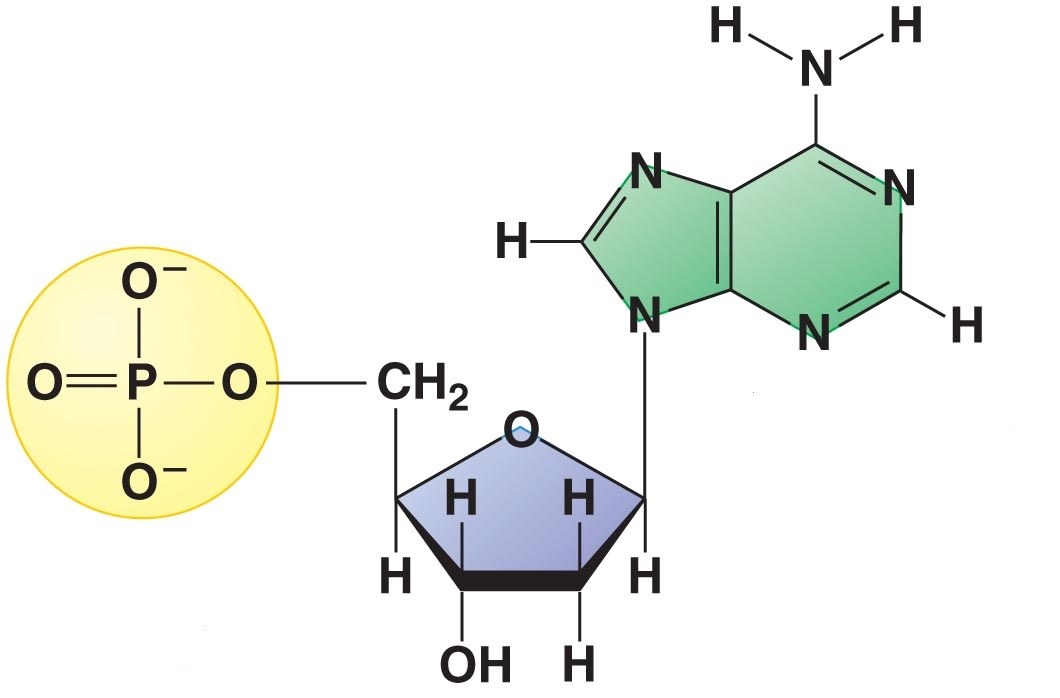
Which of the following is a base pair?
Adenine - Cytosine
Cytosine - Thymine
Deoxyribose - Cytosine
Cytosine - Guanine
How is the instructions for your traits carried on a DNA molecule?
Sequence of the nitrogen bases
In the Deoxyribose Sugar
In the bond between the phosphate and the sugar
In the phosphate group

