
Font size
 Worksheets
Solar System Info
Total questions: 71
Worksheet time: 52mins
Which is the closest planet to the Sun?
Earth
Mars
Mercury
Venus
Which is the farthest planet to the Sun?
Uranus
Neptune
Saturn
Jupiter
Which is the smallest planet?
Mars
Venus
Neptune
Mercury
Which is the biggest planet?
Jupiter
Neptune
Saturn
Uranus
Which is the hottest planet?
Mars
Venus
Mercury
Jupiter
Which planet has a big red spot on its surface?
Mars
Neptune
Uranus
Jupiter
Which planet is mainly composed of gas?
Jupiter
Venus
Earth
Mars
Which planet is the brightest planet?
Mars
Saturn
Venus
Jupiter

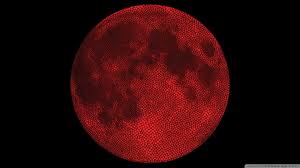
What´s the red planet ?
Mars
Saturn
Venus
Earth is colder than Mars.
True
False
How big is Mercury?
Mercury is one-fourth the size of Earth.
Mercury is one-third the size of Earth.
Mercury is about as big as Earth.
You would weigh the same on Mercury that you weigh on Earth.
TRUE
FALSE
Is gravity the same on Mercury as it is on Earth?
No, because Mercury is smaller than Earth.
Yes, because the Earth and Mercury are the same size.
Yes, gravity is the same everywhere.
8. How long is a year on Mercury?
59 days
88 days
365 days; just like Earth
Why was Mercury given its name?
because it has wings
because it moved quickly
because it was small


Mars's atmosphere contains what percentage of carbon dioxide?
70%
27%
95%
10%
Olympus Mons is the solar systems largest
Moon
Volcano
Valley
Supermarket
A year on Mars is how many days?
687 days
365 days
88 days
6 days
What are the names of Mars's moons?
Phobos and Deimos
Titan and lo
Moon and Nix
Miranda and Phoebe

Ganymede is the largest ___ in the solar system and orbits Jupiter.
moon
planet
dwarf planet
asteroid

Jupiter is composed mostly of _____ & _____.
gases, liquids
hydrogen, helium
clouds, lightning
argon, nitrogen

This cloud feature (storm) is about 3 times the size of Earth.
Great Dark Spot
Great Red Spot
sprites & jets
cloud banding

Jupiter has a solid surface that is located just below its outer most cloud layers.
True
False

The atmosphere of Saturn is very similar to that of Jupiter because
the two planets are about the same size.
they both have a single giant storm system.
it contains mostly hydrogen & helium.
it has traces of methane which gives it cloud bands.

Since Saturn is just over twice as far as Jupiter is from the Sun - it takes about
8 earth-years to orbit once.
29 earth-years to orbit once.
four times as long to complete one orbit.
10 hours to spin once on its axis.

Saturn's largest moon Titan is also the largest in the solar system.
True
False

A year on Uranus is ______.
the same as a year on Earth
27 Earth-years
84 Earth-years
19 Earth-years
What is unusual about Uranus' rings?
They go from side to side on the planet.
They are dark.
They go around the top and bottom of the planet.
What is Neptune's atmosphere made out of?
Air
Everything on this except air
Helium
Methane
Hydrogen
A day on Neptune is much longer than a day on Earth.
TRUE
FALSE
A year on Neptune is much longer than a year on Earth.
FALSE
TRUE
This planet is named after the God of War because of its red color.
Neptune
Pluto
Jupiter
Mars
This blue planet which has lots of water is named after the God of the sea.
Mars
Neptune
Earth
Mercury
It is the largest planet, and it is named after the King of the gods.
Pluto
Mercury
Jupiter
Venus
Uranus is colder than Neptune
False
True
Which Roman god was earth named after
Goddess of spring
None
Which is the only planet not named after a god or goddess?
Uranus
Earth
Mercury
Jupiter
Which planet was named after a Greek god?
Uranus
Earth
Venus
Mercury
What do the first four planets have in common?
They all have volcanos
They all have moons
They're all solid planets
They all contain Nitrogen
What do the planets after the Asteroid Belt have in common?
They all have Hydrogen in their atmospheres
They all have longer revolutions than Earth
They all have moons
All of the above
On which planet would you be the oldest?
Mercury
Neptune
Mars
Venus
On which planet would you be the youngest?
Mercury
Venus
Mars
Neptune
On which planet would you be closest in age to how old you are on Earth?
Mars
Venus
Jupiter
Saturn
BONUS
There is a moon in our solar system that scientists believe has the potential for life to exist. They have discovered water vapor on this moon, named Europa. Which planet does Europa orbit?
(a)

