
 Worksheets
Atomic Structure, The Periodic Table and Chemical Bonding
Total questions: 45
Worksheet time: 59mins
Subatomic particles with a negative charge
Electrons
Neutrons
Protons
Quarks

Look at this picture of Argon off the periodic table. Which of the following is true for this element?
18 protons
40 protons
22 protons
21.9 protons
Which part of an atom is used to identify it?
number of protons
number of neutrons
number of electrons


On the periodic table, Groups are
Horizontal rows
Vertical columns
where are the metaloids found
far left, vertical
stair step/diagonal
far right horizontal
at the bottom
Metals (select all that apply)
are found on the right side of the periodic table.
are found on the left side of the periodic table.
are good conductors of heat and electricity.
are brittle.
are malleable and ductile.
Ionic bonding is between a
nonmetal and nonmetal
metal and nonmetal
metal and metal
Depends on the situation
Covalent bonding is between a
nonmetal and nonmetal
metal and nonmetal
metal and metal
It depends on the situation
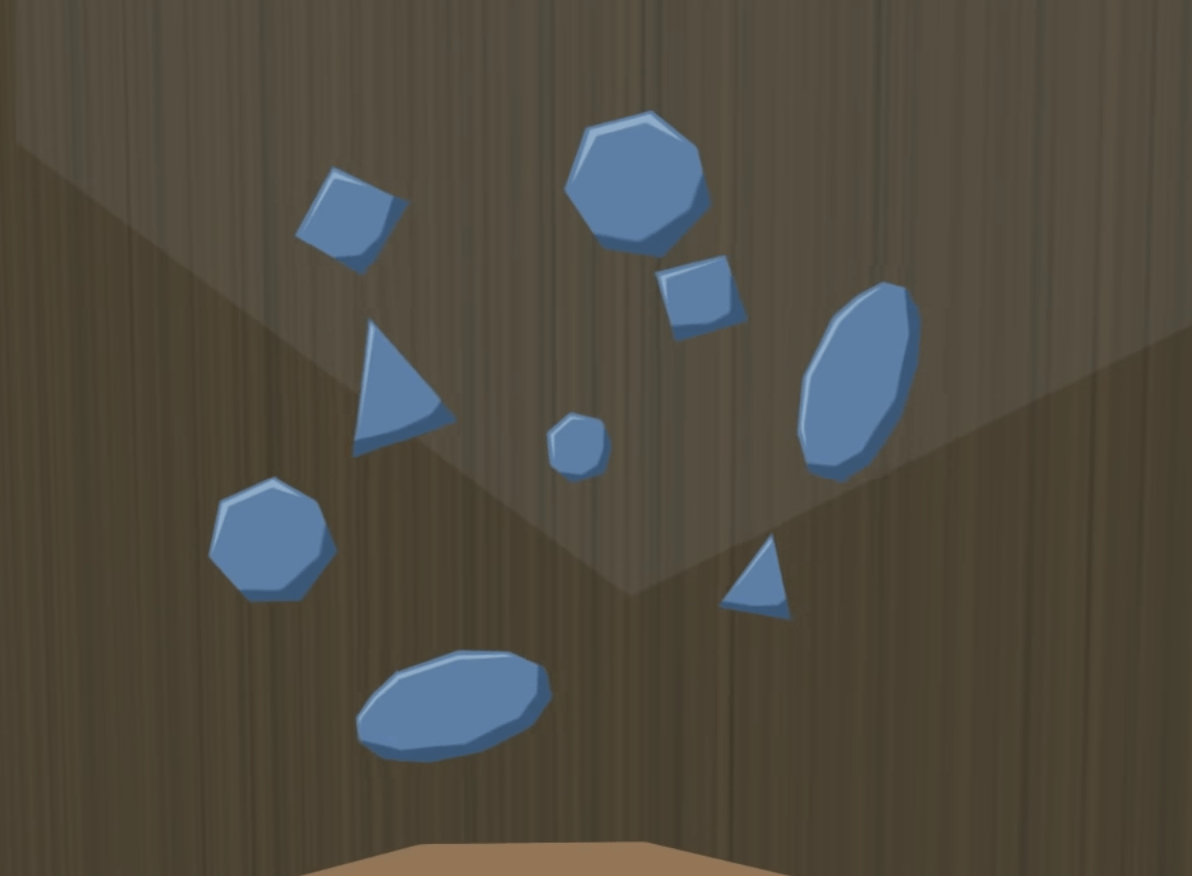
This was the first model of the atom ever proposed.
Democritus's model of the atom
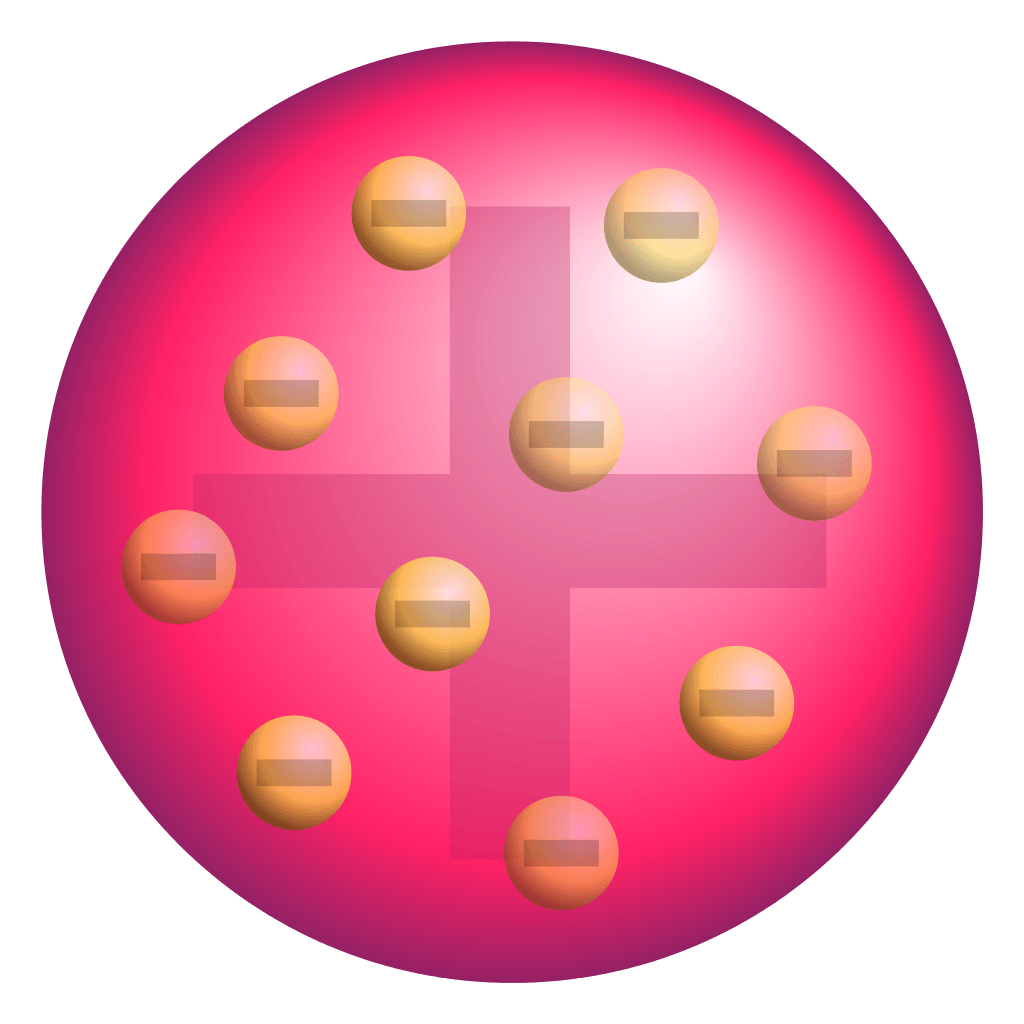
The "Plum Pudding Model" of the atom
The "Rutherford Model" of the atom
The "Quantum Mechanical Model" of the atom

The Periodic Table is organized by increasing
charges
atomic number
mass number
electronegativity
The elements in the middle of the table are called the _____________ metals because their properties change from metallic to nonmetallic.
positive
negative
magnetic
transition
Which of the following elements is an alkali metal?
calcium
magnesium
mercury
sodium
Most elements are
metals.
nonmetals.
metalloids.
semiconductors.
Which statement about the alkali metals is correct?
They are located in the left-most column of the periodic table.
They are extremely nonreactive.
They are usually gases.
They form negative ions with a 1- charge.
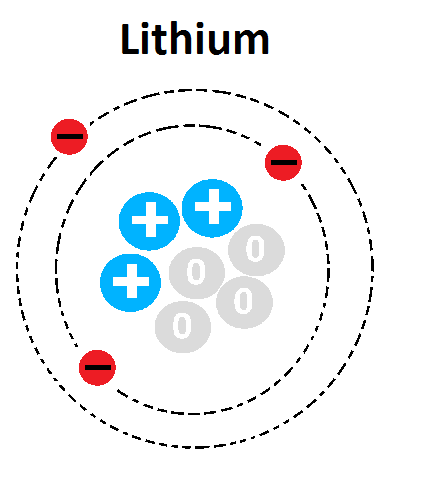
What is the atomic number of this atom?
1
3
4
7
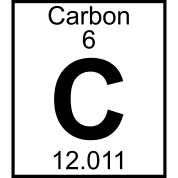
An atom has 10 protons, 15 neutrons and 10 electrons what is its mass number.
20
10
35
25

How many electrons can fit on the 1st energy level (orbital) for any Bohr Model?
2
6
8
10

Which element does this Bohr model represent?
Aluminum
Silicon
Magnesium
Cobalt

