
 Worksheets
CBA 7 REVIEW
Total questions: 35
Worksheet time: 35mins


The following image is an example of a(n) ____________.
organism
population
community
ecosystem
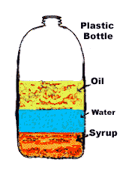
What happens to an object that is denser (more dense) than the liquid it is in?
floats
sinks

What is the Density?
44
11
20
24
Is a deer an abiotic or biotic factor?
abiotic
biotic

The following image is an example of a(n) _____________.
organism
population
community
ecosystem

FORMULA
D=m/v
REMEMBER:
*ONLY GO 2 PLACES PAST THE DECIMAL POINT
*YOUR ROUNDING RULES
84 g/cm3
0.09 g/cm3
11.5 g/cm3
736 g/cm3
Which of the following is NOT a biotic factor?
coyote
elephant
air
All living things or organisms in an ecosystem are
abiotic factors
biotic factors
none

What is the volume?
95
25
5
11
All the members of one species living in the same area.
community
family
population
heterotroph
Is sunlight an abiotic or biotic factor?
abiotic
biotic
What is the difference between the biotic
and abiotic factors?
Biotic are the living things and abiotic are nonliving things.
Biotic are the nonliving things and abiotic are living things.

FORMULA
D=m/v
REMEMBER:
YOU HAVE TO FIND YOUR VOLUME THEN YOUR DENSITY!
*ONLY GO 2 PLACES PAST THE DECIMAL POINT
*YOUR ROUNDING RULES
1 g/cm3
0.875 g/cm3
4 g/cm3
16 g/cm3
Abiotic means ____________.
life/ living
not-living
Deserts, mountains, and rivers are all examples of ________.
vacation spots
tundra
ecosystems
wetlands
Temperature, light, air, water, and soil are all _____ parts of the environment
alive
biotic
abiotic
living
What happens to an object that is less dense than the liquid it is in?
floats
sinks
A group of similar organisms is called a(n)...
flock
species
community
friends
Which of the following correctly lists the levels of organization from least complex to most complex?
Community, Organism, Population, Ecosystem
Population, Community, Ecosystem, Organism
Organism, Population, Community, Ecosystem
Ecosystem, Population, Organism, Community
Is a tree considered abiotic or biotic?
biotic
abiotic
neither
An organism is...
all the members of one species living in the same area
made of a single cell
an alien species
a living thing
All the different populations living together in a particular area.
population
hangout
autotroph
community
The community of organisms that live in a particular area, along with their non-living environment.
habitat
community
ecosystem
popuation
A duck, a dragonfly, a morel mushroom and a bobcat are all examples of...
organisms
populations
communities
ecosystems

Which DOES NOT represent an Ecosystem?
A
B
C
D

The following image is an example of a(n) ___________.
organism
population
community
ecosystem

The following image is an example of a(n) ____________.
organism
population
community
ecosystem

The table lists levels of organization in an ecosystem from least complex to most complex. Which of the following belongs in the table where the question mark is?
class
society
species
population

