
 Worksheets
Land Biomes
Total questions: 44
Worksheet time: 1hrs 2mins
Which biome is characterized by low temperatures and low amounts of rainfall (and other precipitation)?
tundra
desert
temperate deciduous forest
tropical rain forest
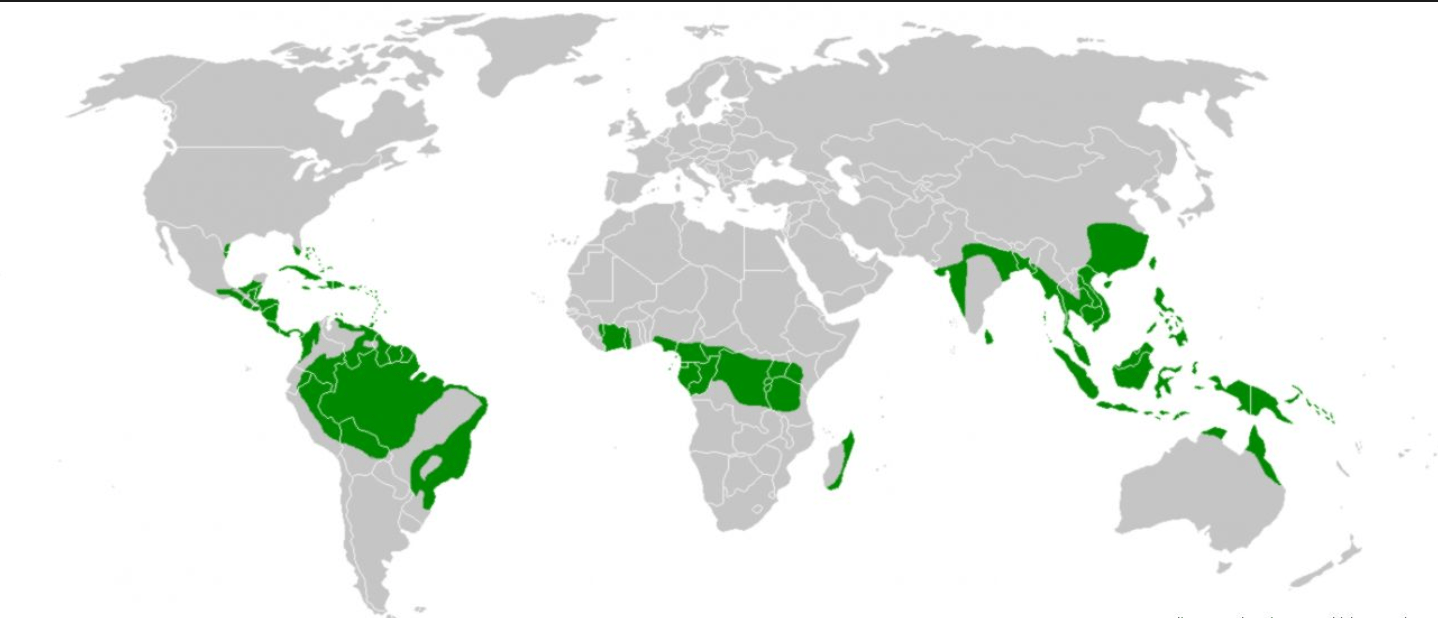
Which biome covers most of the land mass near Earth's equator?
tundra
desert
grassland
tropical rainforest
Which biome has the largest number of species of plants and animals (highest biodiversity)?
tundra
desert
tropical rainforest
pine forest

Which biome contains large populations of grazing herbivores, few species of birds, and deep, rich soil?
taiga
tundra
deciduous forest
grassland
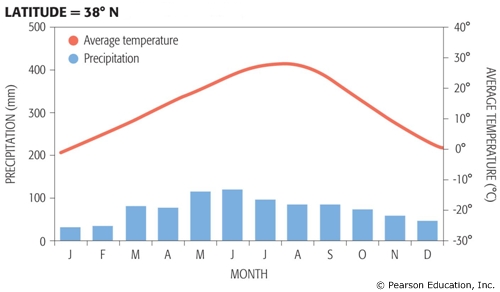
The most important abiotic factors when studying biomes are...
Soil and Freshwater
Producers and Consumers
Native Plants and Animals
Precipitation and Temperature

Which biome has deciduous trees (that lose their leaves in the fall)?
Temperate Forest
Rainforest
Grasslands
Taiga

Which biome has 4 seasons?
Taiga
Tundra
Tropical Rainforest
Temperate Forest

Which biome is home to cacti, scorpions, coyotes, kangaroo rats, and lizards?
Desert
Grasslands
Temperate Forest
Taiga

Lichens, mosses, grasses, and other low-growing plants are common vegetation in this biome due to the permafrost, low rainfall, and very cold temperatures.
Desert
Taiga
Tundra
Grasslands
What term describes the living parts of an ecosystem?
Biotic Factors
Abiotic Factors
Terrestrial (land) biomes cover roughly how much of the Earth's surface?
10%
25%
50%
75%

A desert is very hot during the day and receives very little rain.
Which plants have an adaptation that would help them survive?
plants with waxy coatings
plants with deep roots
plants with large leaves
plants with soft stems

This animal has thick white fur, a bushy tail, and short ears. It often burrows holes and curls into a ball for warmth and is best adapted to live in the __________.
Grassland
Tundra
Taigia
Desert

Which biome is highlighted in the picture?
Taiga
Temperate Deciduous Forest
Grasslands
Tundra

Which biome is highlighted in the picture?
Desert
Taiga
Temperate Forest
Tropical Rainforest

This biome, also called a boreal forest, has dense forests of conifers (cone-bearing evergreen trees). Temperatures are cold, but soil is not completely frozen.
Tundra
Taiga
Temperate Forest
Grasslands
Which biome has less than 25cm of rain each year?
Grasslands (Savanna)
Temperate Deciduous Forest
Desert
Rainforest

The three-toed sloth is adapted to living in a hot, humid climate with lush vegetation and no seasons. What biome would you most liked find this organism?
Temperate Deciduous Forest
Tropical Rainforest
Grasslands
Taiga (Boreal Forest)

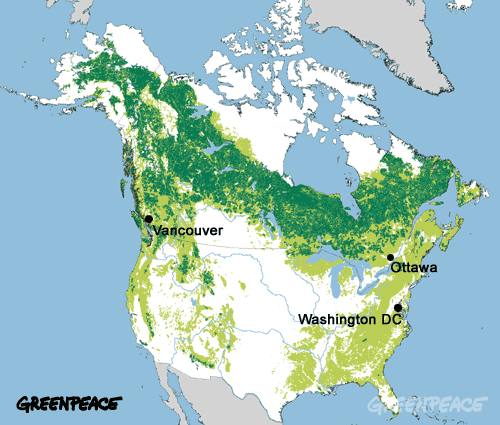

The taiga is .....

long cool summers, short dark winters, migrating animals

Which biome is characterized by low temperatures and low amounts of rainfall (and other precipitation)?
tundra
desert
temperate deciduous forest
tropical rain forest
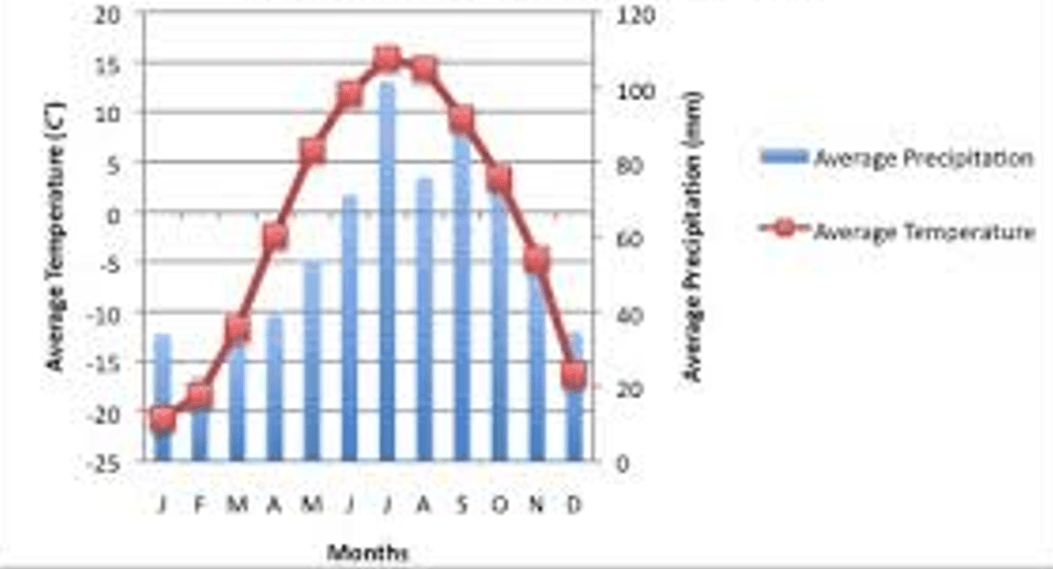
Climate
Climate
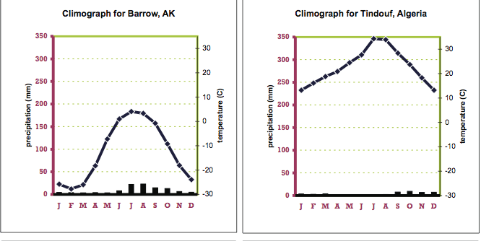
Which of the following is a similarity between the tundra and the desert?
low temperatures
high temperatures
low precipitation levels
permanently frozen ground
There are _____Rainforest layers known as
3 : emergent, understory, and floor
2: canopy and floor
5: emergent, canopy, understory, floor, and underground
4: emergent, canopy, understory, and floor

What can you infer about animals that live in the desert?
Most of them are quite large
Most of them are warm-blooded
Most are unable to withstand temperatures below 90 degrees Fahrenheit
Most can survive on very little water
Which biome has deciduous trees (that lose their leaves in the fall)?
Temperate Forest
Rainforest
Grasslands
Taiga
Which land biome is the ground frozen all year round?
Grassland
Taiga
Tundra
Deciduous Forest
Which land biome is covered mainly with conifer trees?
Tropical Rain Forest
Deciduous Forest
Tundra
Taiga
Lichens, mosses, grasses, and other low-growing plants are common vegetation in this biome due to the permafrost, low rainfall, and very cold temperatures.
Desert
Taiga
Tundra
Grasslands
Why do few large plants grow beneath conifers?
It is too cold
Animals eat them
Little light reaches the ground
The ground is too bare

In a tropical rain forest, the layer which forms an umbrella effect with trees is called the ____________ and the layer of shorter trees and vines underneath that layer is called the ____________.
canopy; understory
understory; canopy
top; middle
green; brown

What biome is located on the map?
tropical rainforest
taiga
temperate rainforest
desert
________ are large regions of the world with specific types of plants, animals, and climate patterns.
Communities
Ecosystems
Biomes
Cities
These biomes are open, fairly flat areas that cover one fourth of the world's land. They can be found on every continent except Antarctica
Tundra
Desert
Grassland
Tropical Rainforest

