
 Worksheets
CH301 - Unit 4 Exam 2 Review
Total questions: 71
Worksheet time: 6hrs 55mins

How do you calculate enthalpy change of a reaction?
ΔH = ΔHproducts - ΔHreactants
ΔT = q / mC
ΔG = ΔH -TΔS
E = mc2
What does the circle mean in ΔH°?
Standard Conditions (T=298.15 K P=1 atm)
Standard Temperature and Pressure (T=273.15 K P=1 atm)
Degree K
Degree C
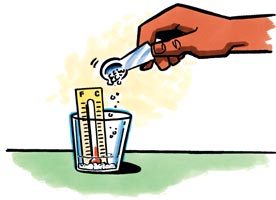
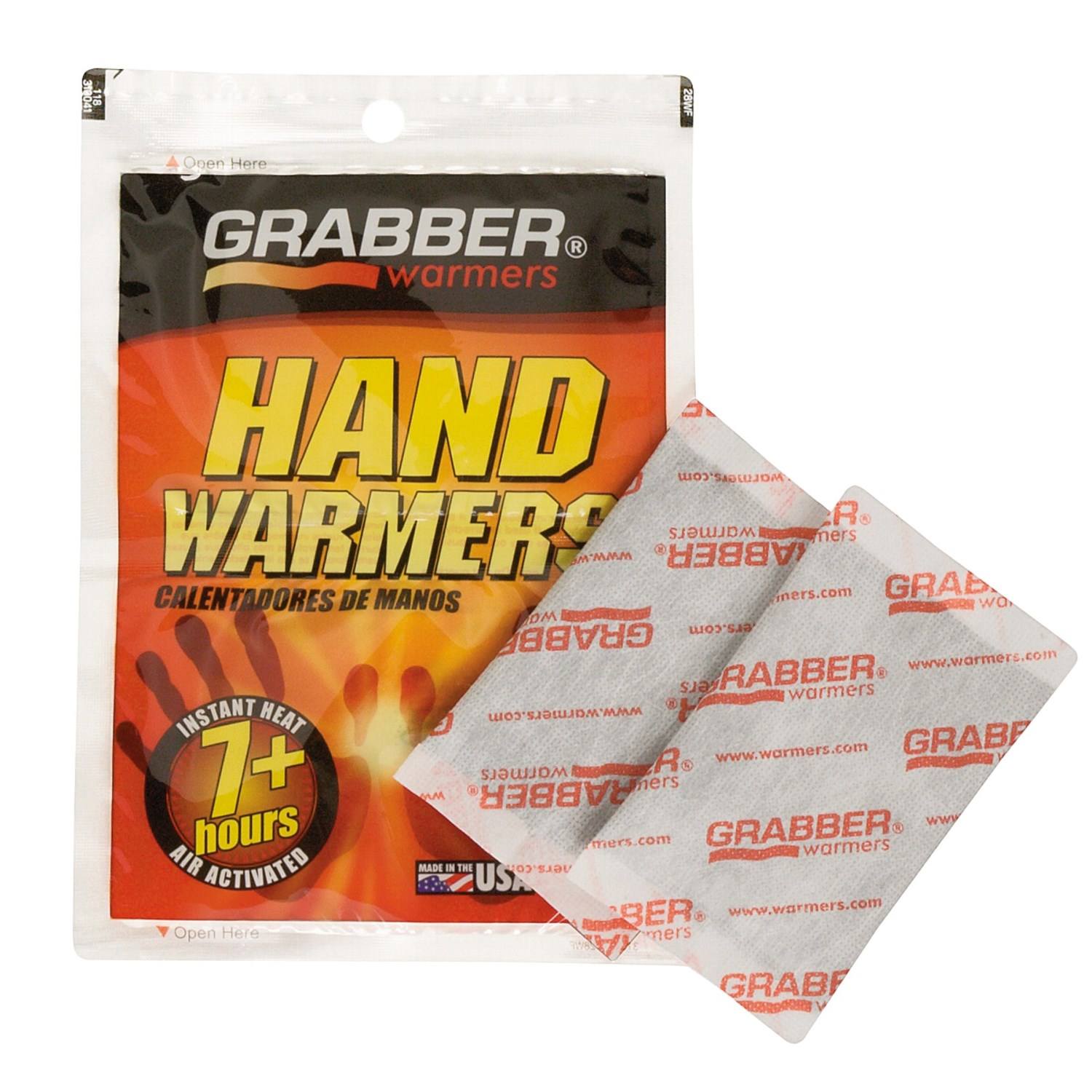
A reaction that causes the temperature of the surroundings to drop is
endothermic
exothermic
displacement
oxidation
The enthalpy change when 1 mole of a compound is formed from its elements in their standard states under standard conditions. This is the enthalpy of.....
Combustion
Formation
Lattice breaking
Ionisation

The same amount of heat is given to all 3 substances. Which will have the smallest increase in temperature?


The entropy will usually increase when
a molecule is broken into two or more smaller molecules
a reaction occurs that results in an increase in the number of moles of gas
a solid changes to a liquid
all of these
Identify whether the following result in an increase or decrease in entropy:
Gas --> Liquid --> solid
increase
decrease
Given the change of phase:
CO2(g) —> CO2(s)
As CO2(g) changes to CO2(s), the entropy of the system
decreases
increases
remains the same
Which phase change represents a decrease in entropy?
solid to liquid
gas to liquid
liquid to gas
solid to gas
What phase of matter has the most entropy?
solid
liquid
gas
What is the symbol for entropy?
H
G
S
E
Which represents a decrease in entropy?
sublimation of CO2
boiling water
condensation of steam on cold glass
NaCl dissolving in water
Which represents a negative ΔS?
ice melting
salt dissolving
water heating up
none of these
Which of the following scenarios describes a process with a negative entropy change?
Building a skyscraper
A clean room becomes cluttered
An igloo melting
Osmosis (I hope you know your Biology!)
Which of these have a DECREASE in entropy?
CaCO3(s) → CaO(s) + CO2(g)
2NO2(g) → N2O4(g)
2NH3(g) → 3H2(g) + N2(g)
C6H6(l) → C6H6(g)
Which combination of ΔH and ΔS NEVER has a spontaneous reaction?
+ΔH and +ΔS
+ΔH and -ΔS
-ΔH and -ΔS
-ΔH and +ΔS
Ammonium nitrate dissolves in water. It is a spontaneous endothermic process because the system undergoes....
a decrease in enthalpy
an increase in entropy
an increase in enthalpy
a decrease in entropy
Which has a +ΔS (system)?
AgNO3(aq) + NaCl(aq) → AgCl(s) + NaNO3(aq)
H2O(g) + CO2(g) → H2CO3(aq)
H2(g) + I2(g) → 2Hl(g)
C2H2O2(g) → 2CO(g) + H2(g)
Systems in nature tend to undergo changes toward
lower energy and less disorder
lower energy and more disorder
higher energy and less disorder
higher energy and more disorder
Which sample has the lowest entropy?
1 mole of KNO3(l)
1 mole of KNO3(s)
1 mole of H2O(l)
1 mole of H2O(g)
What is a spontaneous process ?
slow process
fast process
process that needs an external intervention to occur
process that does not need external intervention to occur / keep happening
A reaction that releases energy is
Exothermic
Endothermic
Could be either
A reaction that absorbs energy is
Exothermic
Endothermic
Could be either
A reaction that is not spontaneous at low temperature can become spontaneous at high temperature if ΔH is __________ and ΔS is __________.
+, +
-, -
+, -
-, +
ΔS will be positive for the reaction
2H2 (g) + O2 (g) -> 2H2O (g)
2NO2 (g) -> N2O4 (g)
BaF2 (s) ->Ba2+ (aq) + 2F- (aq)
2Hg (l) + O2 (g) ->2HgO (s)
What is a spontaneous process ?
slow process
fast process
process that needs an external intervention to occur.
process that does not need external intervention to occur
dissolving sugar ________
decreases the entropy
increases the entropy
When ammonium nitrate dissolves in water, the solution gets cold. Which is true?
Reaction is ENDOTHERMIC with positive ΔS
Reaction is ENDOTHERMIC with -ΔH
Reaction is EXOTHERMIC with a -ΔH
Reaction is EXOTHERMIC with +ΔS
The measure of disorder in a system is
entropy
enthalpy
exothermic
endothermic
I2(s) + energy → I2(g)
As I2(s) sublimes to I2(g), the entropy
increases: particles are less randomly arranged
increases: particles are more randomly arranged
decreases: particles are less randomly arranged
decreases: particles are more randomly arranged
As NaCl dissolves according to the equation
NaCl(s) → Na+(aq) + Cl-(aq), the entropy of the system
Increases
Decreases
Remains the same
Which of the following produces a decrease in the entropy of the system?
dissolving solid KCl
mixing 2 gases into one container
melting ice to make water
freezing water to form ice
Which of the following would have the highest entropy?
A cold solid
A hot liquid
A hot gas
A cold gas
True/False: The rate of a chemical reaction is related to the spontaneity of the reaction.
True
False
1. The temperature increases when calcium chloride dissolves in water.
2. Steam condenses to liquid water
3. Water boils
4. Dry ice sublimates
Which reaction has the greatest increase in entropy?
2H20 (l) --> 2H2 (g) + O2 (g)
2H2O(g)--> 2H2(g) + O2(g)
H2O(g) --> H2O(l)
H2O(l) H2O(s)
Identify whether the following result in an increase or decrease in entropy:
SUBLIMATION
increase
decrease
Identify whether the following result in an increase or decrease in entropy:
Vaporization
increase
decrease
Identify whether the following result in an increase or decrease in entropy:
3 moles of gas (on reactant side) --> 6 moles of gas (product)
increase
decrease
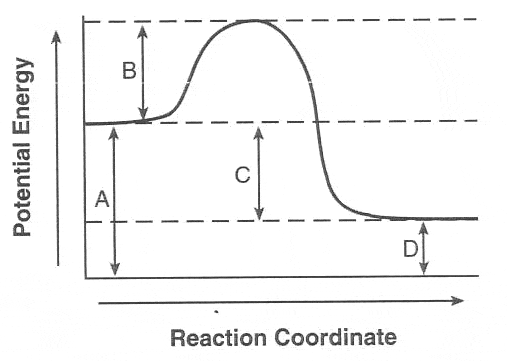
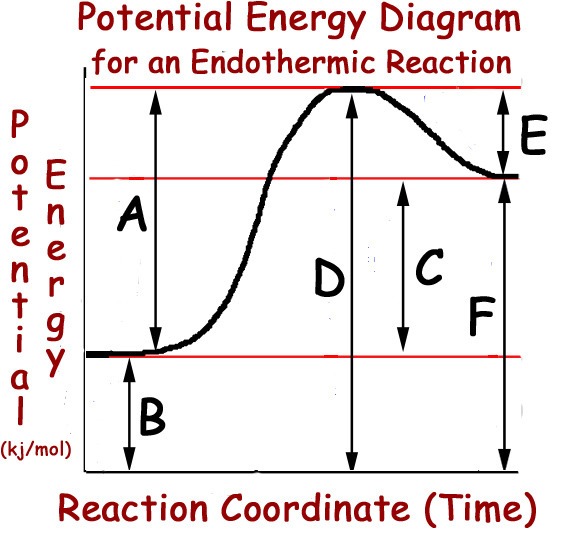
Your enthalpy is high and negative but your entropy is also negative. What type of temperature would you want to get a spontaneous reaction?
low
high
If a process is exothermic and not spontaneous, then what must be true?
ΔS > 0
ΔH > 0
ΔG = 0
ΔS < 0
1. Calculate the standard entropy change for the following reaction: Cu(s)+1/2 O2(g) → CuO(s). Given that
S0 (Cu(s)) = 33.15 J/K*mol
S0 (O2(g)) = 205.14 J/K*mol
S0 (CuO(s)) = 42.5 J/K*mol
195.66 J/K.mol
93.09 J/K.mol
-93.09 J/K.mol
+195.66 J/K.mol

