
 Worksheets
GaMS Review Quiz
Total questions: 65
Worksheet time: 2hrs 3mins

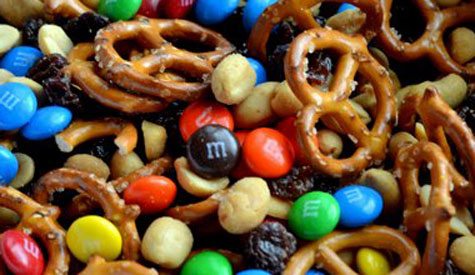

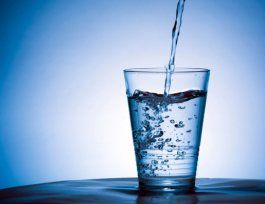
All of the following are elements EXCEPT:
carbon
nitrogen
oxygen
water
All of the following are compounds EXCEPT:
hydrogen
sodium chloride
water
carbon dioxide

The particle diagram shown is a:
pure substance
mixture
An element is?
Chemically combined
Pure substances that can be broken down
Pure substances that cannot be broken down into simplier substances
One or more elements chemically combined.
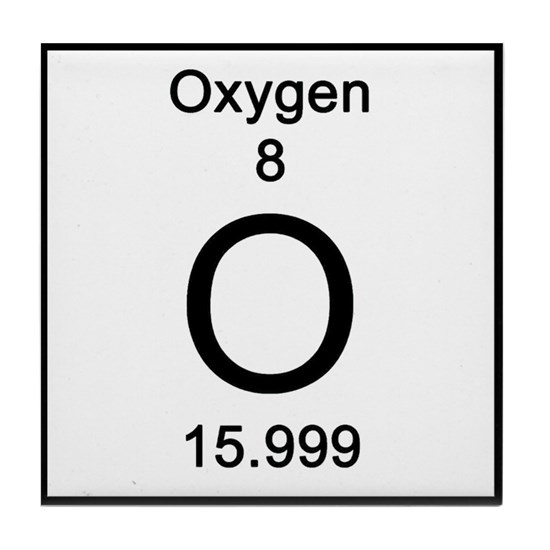
Oxygen is a
Element
Compound
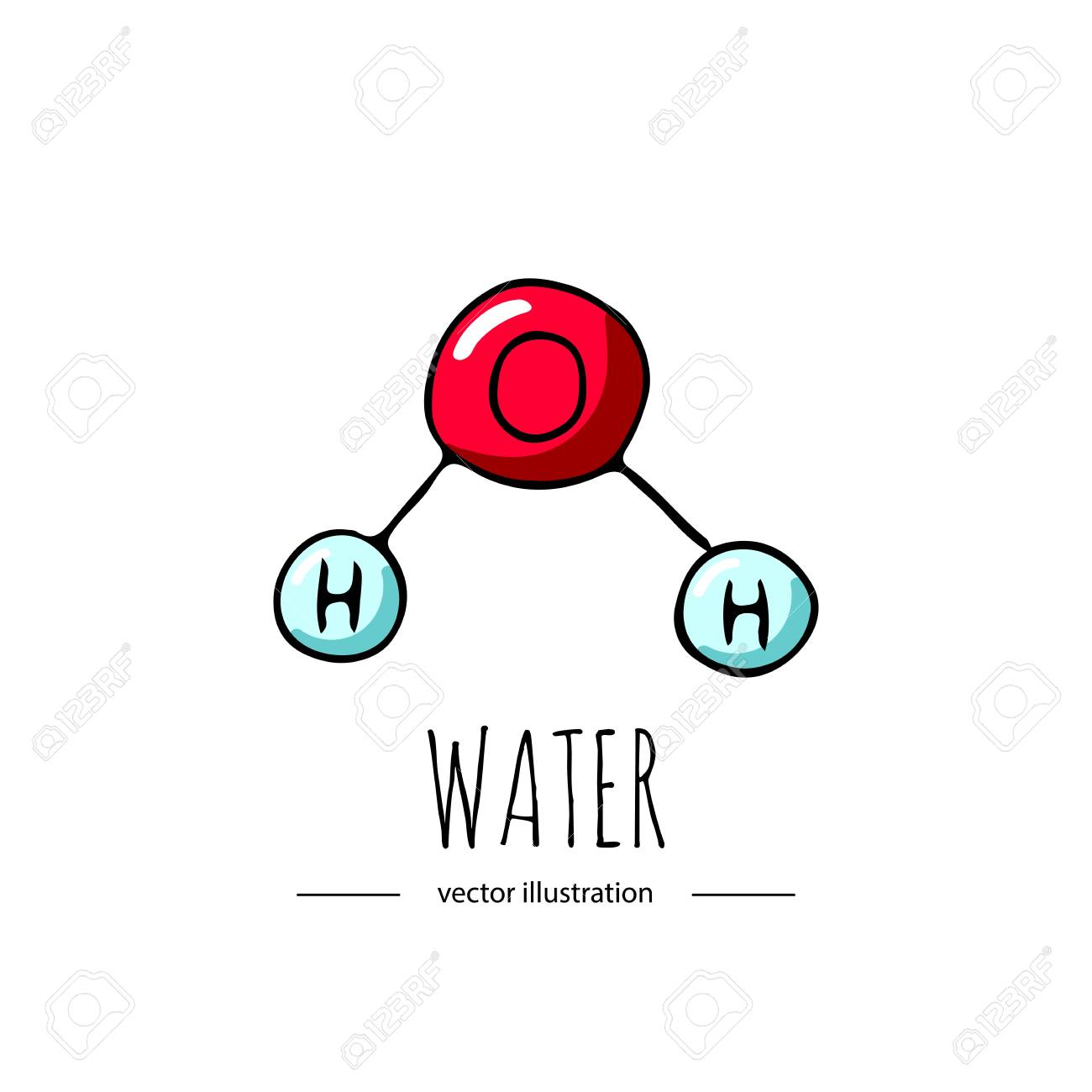
Water (H2O) is a
Element
Compound
[check all that apply] Mixtures are
chemically combined
composed of two or more types of matter that can be present in varying amounts
One or more elements chemically combined
can be separated by physical changes
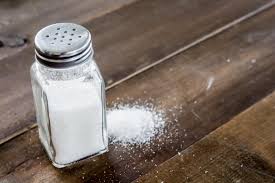
Salt (NaCl) is
Mixture
Compound
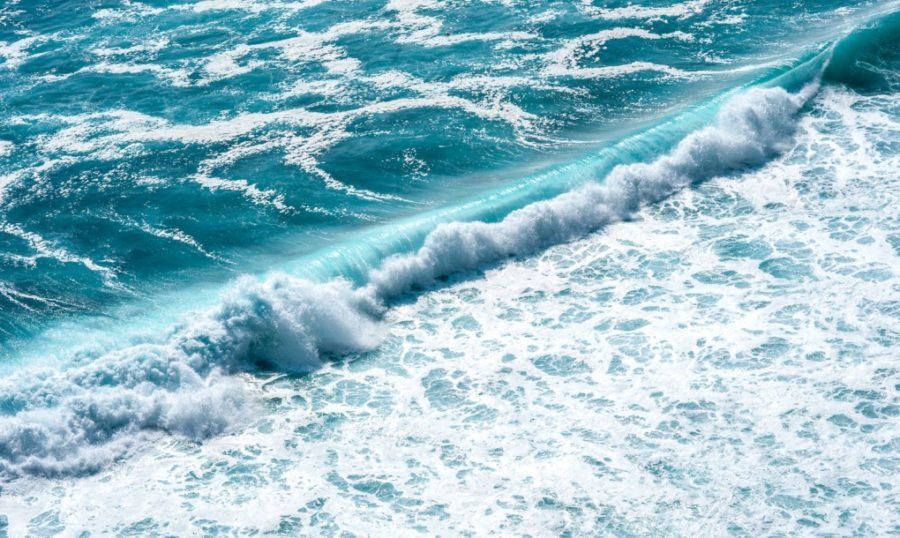
Saltwater is
Mixture
Compound
You mix 44 grams of potassium (K) with 106 grams of chlorine gas (Cl). How much potassim chloride is expected to be produced in a closed system?
71 g
149 f
150 N
150 g
number of electrons
number of protons
number of neutrons
both neutrons and protons in a stable atom.

(rust) made up of?
3 oxygen
I can be drawn into wires
Malleable
Ductile
Luster
Conductor


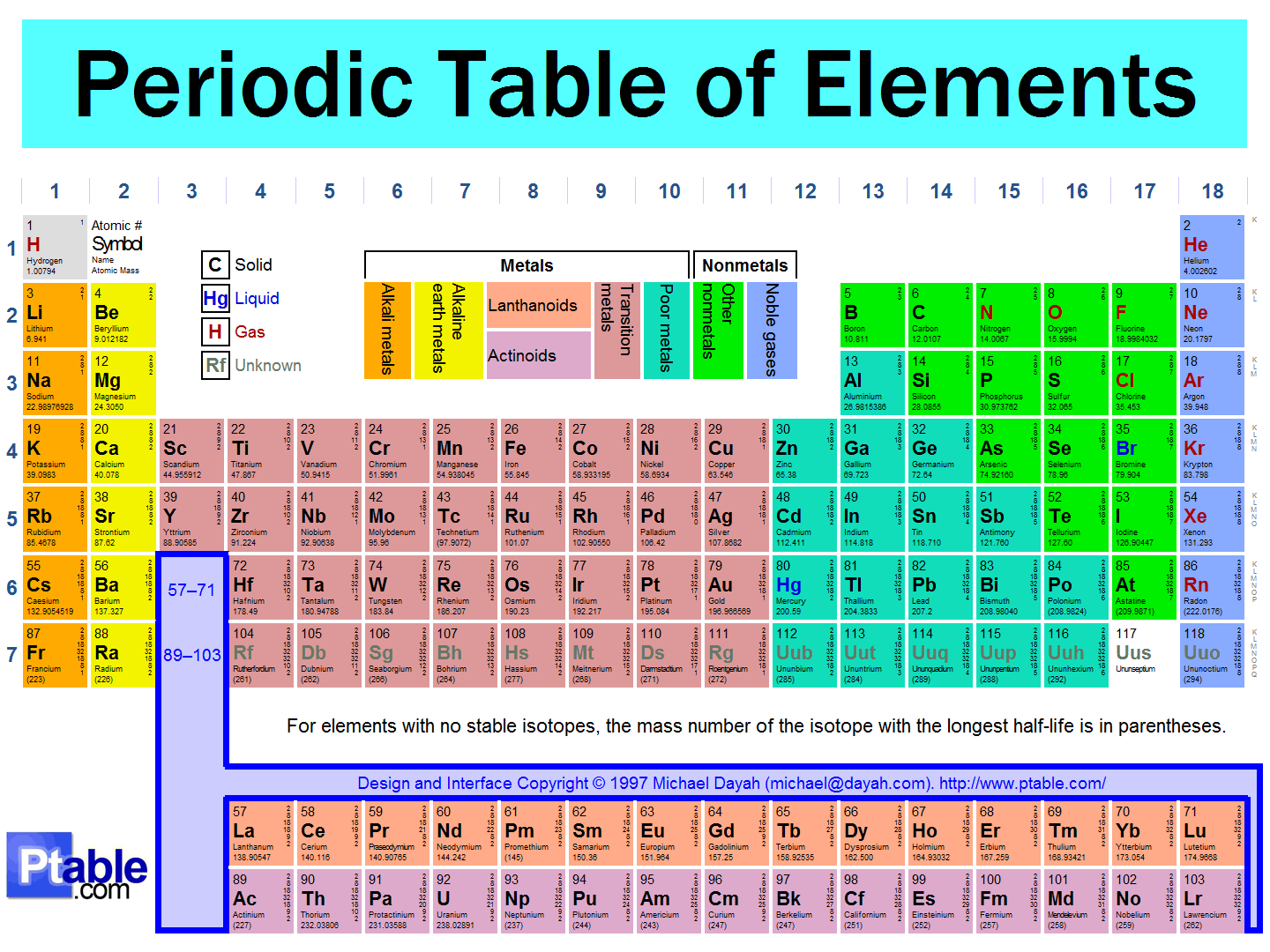
what is the name of group number 1
halogens
noble gases
alkali
alkaline earth
what is the big group of metals called found within the metals
transition metals
nonmetals
noble gases
halogens
what group number are the halogens
18
1
2
17
what group number are the noble gases
17
18
14
15
what is the small group of elements called that include C,N,O
metals
nonmetals
metaloids
noble gases
It stacks the elements in columns according to the number of valence electrons in an atom of the element. Valence electrons are those in the outermost shell of the atom and the ones that participate in reactions. The number of valence electrons is associated with the element’s reactivity. Elements with the same number of valence electrons behave in a similar way in reactions and so are grouped together in the same column on the periodic table.
What does the amount of valance electrons determine about an element?
Its row in the table.
Its atomic number.
Its atomic mass.
Its reactivity with other elements.
All _________ share properties that include luster, conductivity, malleability, and ductility.
gases
nonmetals
metalloids
metals
_____ waves NEED a medium to travel.
Seismic
Light
Mechanical
Radio Waves are an example of _________ waves.
mechanical
electromagnetic
light
The distance in between two waves.
wave speed
frequency
wavelength
the number of waves that pass a certain point.
wave speed
frequency
What determines what color of light your eyes perceive?
The frequency of the wave
The amplitude of the wave
The intensity of the wave
The type of wave it is
A wave is traveling in one medium. Then it begins traveling through another medium and changes direction. What happened?
The wave was absorbed
The wave was transmitted
The wave was refracted
The wave was reflected

Which wave has the most energy?
Wave 1
Wave 2
Wave 3
Wave 4

Which of these waves would be the dimmest?
Wave 1
Wave 2
Wave 3
Wave 4

When a student runs and kicks a ball, they have applied an ___________ force to move the ball.
Balanced
Magnetic
Spring
Unbalanced
When the teacher rearranges the desks in the classroom, she must apply ____________ to push and pull the desks around.
acceleration
force
weight
magnets
Which law of motion says that you must push or pull objects harder if they have more mass?
1st
2nd
3rd
4th
Letting go of a balloon full of air is demonstrating Newton's ______ _______ ________ _________ because the air comes out of the back and the balloon moves forward.
1st law of motion
2nd law of motion
3rd law of motion
13th law of motion
What law is best described by inertia?
1st
2nd
3rd
law of conservation of mass

A person not paying attention while skateboarding hits a rock. The skateboard stops...they don't.
The Law of Inertia (1st law)
The Law of Acceleration (2nd law)
The Law of Conservation of Momentum
Action Reaction Law (3rd law)
What Unit do we Measure Force in?
Newtons
Joules
Force
Kilograms
What is Newton's First Law
F=ma
Every action has an equal and opposite reaction
An object at rest stays at rest, an object in motion stays in motion.
Friction
Newton's third law states that any action will have a(n) _______ and ______ reaction
Equal and similar
Equal and opposite
Equal and different
Greater and opposite

What is this graph representing?
Constant Speed
Acceleration (speeding up)
Deceleration (slowing down)
No motion

