
 Worksheets
Gr 7 Science Topic #7 Review
Total questions: 71
Worksheet time: 3hrs 21mins

Termites are tiny insects that can cause severe damage to homes and other structures that consist of wood. Termites are an example of what type of factor.
Biotic
Abiotic

Water is a compound that consists of 2 hydrogen atoms and 1 oxygen atom. Up to 60% of an adult human is made up of water. Water is an example of what type of factor?
Biotic
Abiotic

An arctic blast pushed its way through several of the Northern state in the United State. The temperatures dropped below freezing for several days. Temperature is an example of which type of factor?
Biotic
Abiotic
Which of these is a biotic factor in a river ecosystem?
the types of microorganisms that live in the river water
the amount of soil and other particles carried by the river
the speed at which the river water flows toward the ocean
the amount of rain that flows off the land and into the river
Which of the following is a biotic factor in an ocean ecosystem?
the salt content of the water
the temperature of the water
the fish in the water
the oxygen in the water
Biotic can be defined as
the living parts of an environment
non-living parts of an environment
rocks and water
snakes and water
What is the difference between the biotic and abiotic factors?
Biotic factors are living things and abiotic factors are nonliving things.
Biotic factors are nonliving things and abiotic factors are living things.
A single living thing
organism
population
community
ecosystem
Coyote, sand, 102 degrees, cactus, and snake.
ecosystem
biomes
niche
community
Which choice shows the correct order of the levels of environmental organization?
organism, population, community, ecosystem, biosphere
organism, population, ecosystem, biosphere, community
organism, community, population, ecosystem, biosphere
population, ecosystem, biosphere, organism, community

All the individuals of one species in a given area is called a ______________. A herd of zebras would be an example.
Population
Community
Non-living
Organism

The total sum of all the populations of living things within an area that interact with one another is called_________. Zebra, elephants, and giraffes would be an example
Biosphere
Population
Community
Organism
An _____________ is an interwoven system of biotic and abiotic factors.
Species
Ecosystem
Microscope
Zoo
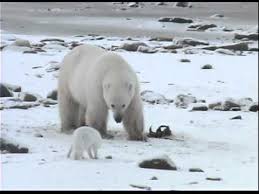
Two arctic fox are fighting with a polar bear for a sea lion carcass. One fox distracts the bear while the other eats. What type of limiting factor is the polar bear?
Predator-Prey Relationships
Competition
Herbivory Effect
Weather

A group of elephants gets stuck in mud at the edge of the river from a recent mud slide. A lion waits for an elephant to get tired before it attacks. What is the limiting factor to the elephant population?
Predator-Prey Relationships
Natural Disaster
Herbivory Effect
Competition

A duck population normally begin migrating south right after the last rain of the late summer season. Suddenly, they’re migrating much earlier. The climate has been changing far too often which is altering the effects of their magnetite.
Predator-Prey Relationships
Weather
Herbivory Effect
Competition

A honey-badger digs the ground tunnels in search for snakes. In one occasion, the badger finds a snake and competes with it. The badger leaves scratches and bite marks on the snake before it escapes. After twenty-four hours the snake dies. What is the limiting factor to the snake?
Predator-Prey Relationships
Competition
Disease
Predation

A student brings home a bull toad from the Amazon in Brazil. It gets fat and ugly so he tosses it in the river. This toad starts competing with local toads for their food, shelter, and space. What kind of limiting factor best represents what happened to the local toads?
Competition
Overcrowding
Natural Disaster
Human Impact
What is a limiting factor?
Factors that always increase a population
Factors that always decrease a population
Resources that are unlimited
Factors/resources that limit how many organisms can live in an area at the same time
All food chains/webs start with
producers
consumers
decomposers
scavengers
____________________ is the process by which light energy from the sun is converted to food.
osmosis
inertia
photosynthesis
decomposition
What is the primary source of energy used by producers during photosynthesis?
dirt
light energy from the sun
chemical energy from food and oxygen
chemical energy from carbon dioxide and water
Which of these organisms can be classified as a decomposer?


Which of the following is a biotic factor in an ecosystem?
wind
tree leaves
small rocks
light from the sun

Organisms that eat other organisms are called...
Consumers
Producers
Decomposers
Which level of consumer is responsible for eating the producer in a food chain/web?
Tertiary consumer
Secondary consumer
Primary consumer

Which organism is NOT a primary consumer?
Caterpillar
Blue jay
Grasshopper
Rabbit
What is the pattern of overlapping food chains in an ecosystem?
food chain
food web
carbon cycle
water cycle
What is a diagram that shows how each living thing gets food, and how nutrients and energy are passed from organism to organism? This process begins with the sun
food chain
food web
water cycle
carbon cycle
What is an organism at the third trophic level that eats the primary consumers making them carnivores or omnivores?
Secondary consumer
Tertiary consumer
Carnivore
Producer

What would happen to the bird if the green fish died out?
the bird population would grow
the bird population would die out
the smaller fish will die out
the top layer of an energy pyramid a primary consumer?
true
false
What does an energy pyramid show?
Energy flow in a community
Longest lifespans
The stronger animal the higher it is on the pyramid
What would happen if their were no producers?
Every population would grow larger
Everything would die out
The animals would make their own food


What amount of percentage does the energy decrease as it goes up the pyramid?
100%
1000%
10%
1%
Which example is a form of precipitation?
Dew
Fog
Frost
Hail
As a part of the water cycle, water from Earth's surface enters the clouds and finally falls back to the ground in the form of rain. What is the correct sequence of processes water undergoes?
Evaporation, Condensation, Precipitation
Precipitation, Condensation, Evaporation
Condensation, Evaporation, Precipitation
Evaporation, Precipitation, Condensation
What would happen if the Sun is removed from the water cycle?
The water cycle would not include precipitation but would continue with groundwater flow.
The water cycle would no longer occur because the Sun provides the energy for evaporation and transpiration.
The water cycle would no longer occur because the Sun provides energy for the formation of clouds.
The water cycle would not include evaporation and transpiration but would continue with condensation.
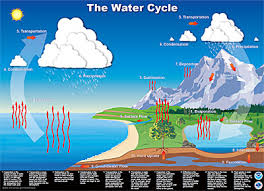
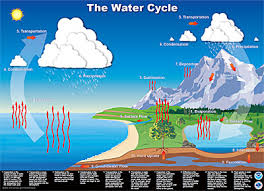
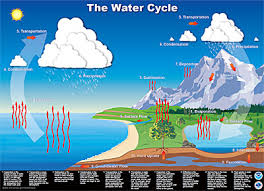
A gas produced by animals during respiration that plants use for photosynthesis.
Oxygen
Toots
Carbon dioxide
Water vapor
Plants and animals are interdependent of each other.
True
False
________________ could increase the amount of oxygen in the air.
Building more houses
Burning more oil
Paving more streets
Planting more trees

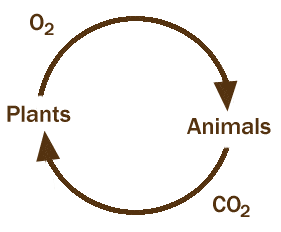
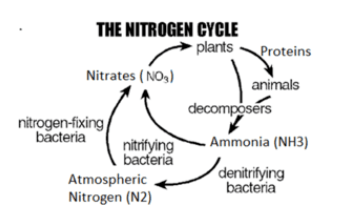
According to this diagram, plants use nitrogen to make _________________________
carbohydrates
cellulose
proteins
unsaturated fats
True or False. The nitrogen in the atmosphere is in the right form for living things to use.
True
False
This can transform nitrogen in the atmosphere into a usable form of nitrogen
rain
ice
lightning
sun
What is the role of decomposing bacteria in the nitrogen cycle?
change Nitrogen gas into Nitrate
Return the nitrogen compounds to the soil
Turn nitrogen into water
Turn nitrate into nitrogen gas
We need nitrogen to make
proteins
enzymes
cells
all of these
How does fertilizer affect the nitrogen cycle
the bacteria reproduce quicker
cause nitrous oxide, a greenhouse gas, to enter the atmosphere and trap heat
create large algae blooms in the water
cause the nitrogen fixing bacteria in the soil to be less productive
Where can nitrogen fixing bacteria be found
Free living in the soil
under the leaves of flowering plants
in the atmosphere
living on the nodules of certain plants

