
 Worksheets
1st Biology STATE test review 4/21/2022
Total questions: 51
Worksheet time: 51mins
Blood moves through the blood vessels to all parts of the body due to contractions of which tissue?
Connective
Muscle
Nervous
Epithelial
A scientist discovers a group of unicellular organisms whose cell walls lack peptidoglycan. These organisms thrive in tempeatures above 80C (176 F) and may be found in sulfur-rich hot springs.
Which Kingdom would this organism be found in?
Archaebacteria
Eubacteria
Fungi
Protist
Which of the following provides evidence for the endosymbiotic theory?
The amino acid structure of eukaryotic organelles is identical to bacteria
Both mitochondria and chloroplast contain DNA this is different from the nucleus
Both mitochondria and chloroplast are composed of the same type of protein
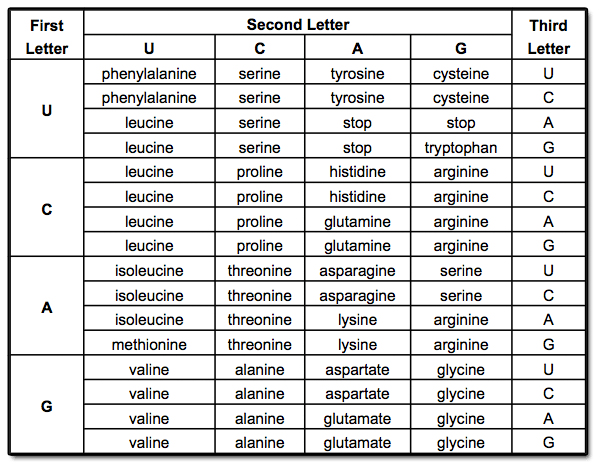
When using your codon chart, what sequence can you use to find the correct amino acid?
DNA
mRNA
tRNA
Any of these will do
How many nucleotides make up a codon?
1
3
5
15
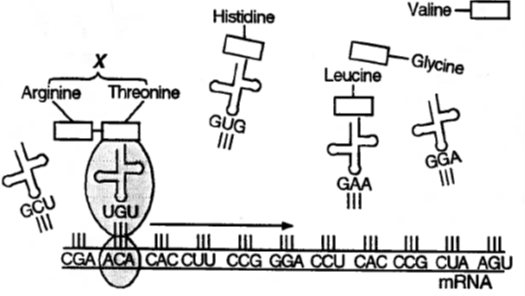
What is the order for Protein Synthesis?
Transcription -> Translation -> Protein
Translation - > Transcription -> Protein
Protein -> Transcription -> Translation
Translation -> Protein -> Transcription


Identify the stage of mitosis.
interphase
prophase
anaphase
telophase and cytokinesis
Choose the correct pairing
Lactose - Lipid
Collagen - Protein
Hemoglobin - Carbohydrate
Hydrochloric Acid - Nucleic Acid
Flowers aid in the survival of plant species because they contain structures with what function?
Gravitropism
Photosynthesis
Reproduction
Respiration
The fennec is a small fox-like creature native to North Africa. It lives in a very dry climate and has large ears that help rid its body of excess heat. The size and body structure is a a result of what process
Succesion
Genetic Engineering
Selective Breeding
Natural Selection
A common ancestor gave rise to fourteen species of Darwin's finches, which live on the Galapagos Island. The finches that colonized different habitats on the islands diverged into different species. Why?
Through gene isolation, the finches were unable to adapt due to limited gene pool
Through natural selection, the finches adapted to different food sources in their habitats
Through natural fragmentation, the finches were unable to interbreed in different habitats

Clownfish- home & protection
Sea anemone- Clownfish lures prey into the sea anemone and the sea anemone gets food.
Parasitism
Mutualism
Commensalism

nitrogen-fixing bacteria- Get a home in the roots of the plants
Legume- Get nitrogen
Commensalism
Mutualism
Parasitism
What piece of equipment did Pasteur use in his experiment which allowed air to enter but trapped the dust particles in the air?
microscope
Erlynmeyer flask
Swan-neck flask
Wide mouth beaker
One criticism of Spallanzani's experiment was
he didn't boil the broth long enough
he had a poorly controlled experiment
all of the options listed
air could not get to the broth
Which of the following explains the role enzymes play in the process of digestion?
They assure that digestion occurs within hours instead of days
They increase the amount of acid released from the stomach
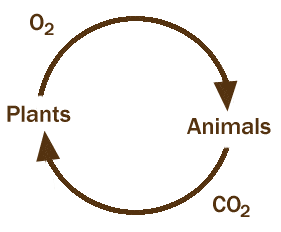
7) Which part of the carbon cycle occurs when plants, trees, or fossil fuels are burned?
Photosynthesis
The oceans
Respiration
Decay
Combustion
An un mutated segment of DNA containing 40 molecules of adenine will contain an equal number of
Cytosine
Uracil
Thymine
Guaniane
A DNA strand has 20% Thymine will have
30% Adenine
30% Cytosine
20% Guanine
30% Uracil
30% Cytosine
20% Guanine
20% Uracil
30% Cytosine
30% Guanine
20% Adenine
30% Cytosine
30% Guanine
Which of the following identifies the levels of classification in the correct order?
domain, kingdom, phylum, class, order, family, genus, species
genus, species, domain, kingdom, phylum, class, order, family
domain, kingdom, genus, species, phylum, class, order, family
genus, species, phylum, class, order, family, domain, kingdom
What is the most specific level of classification?
Family
Genus
Species
Phylum
This cell organelle is responsible for extracting energy from carbohydrates to form ATP
Lysosome
Ribosome
Chloroplast
Mitochondrion
This cell organelle does not contain DNA
(a) Nucleus
(b) Mitochondria
(c) Lysosomes
(d) Chloroplast

Who looked at cork and named what he saw cells?
Anton van Leeuwenhoek
Robert Hooke
Rudolph Virchow
Matthias Schleiden
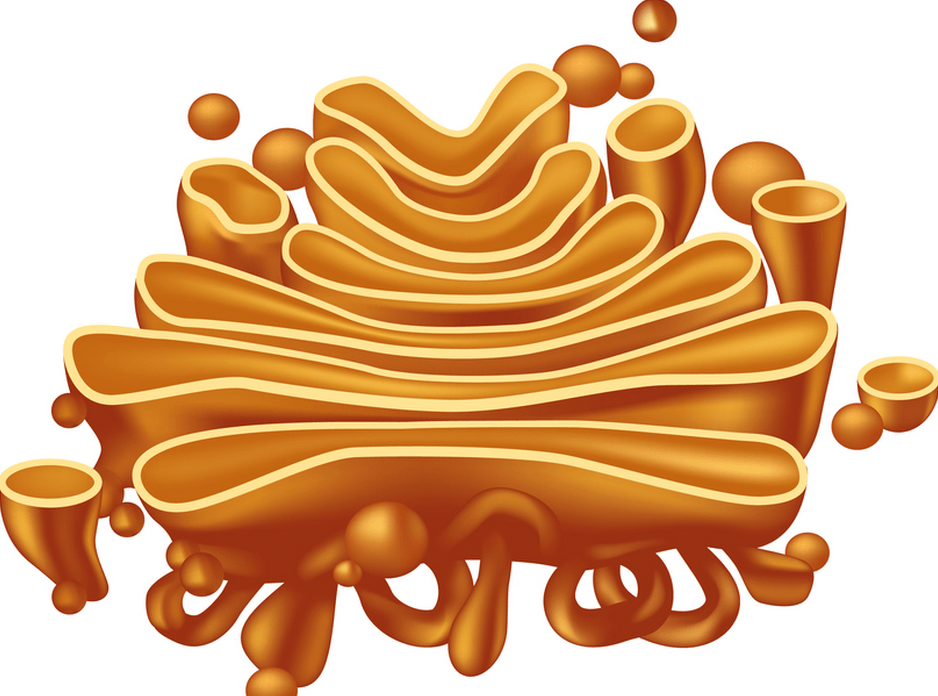
Which sequence correctly traces the path of a protein in the cell?
ribosome, Golgi body, rough ER
ER, lysosome, Golgi body
ribosome, rough ER, chloroplast
ribosome, rough ER, Golgi body

Elodea is a freshwater plant. When it is placed in saltwater what will happen to its cells?
They will become turgid because water is entering the cell, making them firm
They will become flaccid because water is entering and leaving the cell at equal rates, making them a little soft
They will be plasmolyzed because water is leaving the cell, making them shrink significantly
When it has rained for one week straight the plant cells will have _______ pressure from all the water
Flaccid
Bust open like an animal cell
Turgor (Turgid)
No pressure the cell membrane will stop the water

Which of the following is the enzyme?
A, only
E, only
A and E
B,C,D
Which of the following is the subtrate?
A, only
E, only
A and E
B,C,D
What is the monomer of a fat?
Steroid
Glycerol and 3 Fatty acids
3 Glycerol and 1 Fatty acid
Amino Acid


Where DNA is housed in a bacteria cell
Nucleoid
Plasma Membrane
Pilus
Ribosomes

Choose the correct term
Binary Fission = unique bacteria
Budding
Regeneration
Binary Fission = identical bacteria
Scientists implant genetic information from one species into another to create a customized strain of mice for research. What are these scientists creating?
transgenic microorganisms
transgenic animals
genetic mutations
pharmaceutical modifications
The accumulation of different species that result in speciation
vestigial
divergent evolution
convergent evolution
analogous

