
 Worksheets
DNA, Symbiosis, Succession, Plants, Evolution, Clads/DiKeys
Total questions: 55
Worksheet time: 38mins

I will use the DNA cheat sheet and notes to do my best on this review.
True
False
I do this because I care
<3 Mrs.G
(not the answer)
DNA function?
store genetic information (code)
make energy
use information
Where in the cell is DNA found?
nucleus
mitochondria
cell membrane

DNA structure?
double helix
double twist
double chocolate
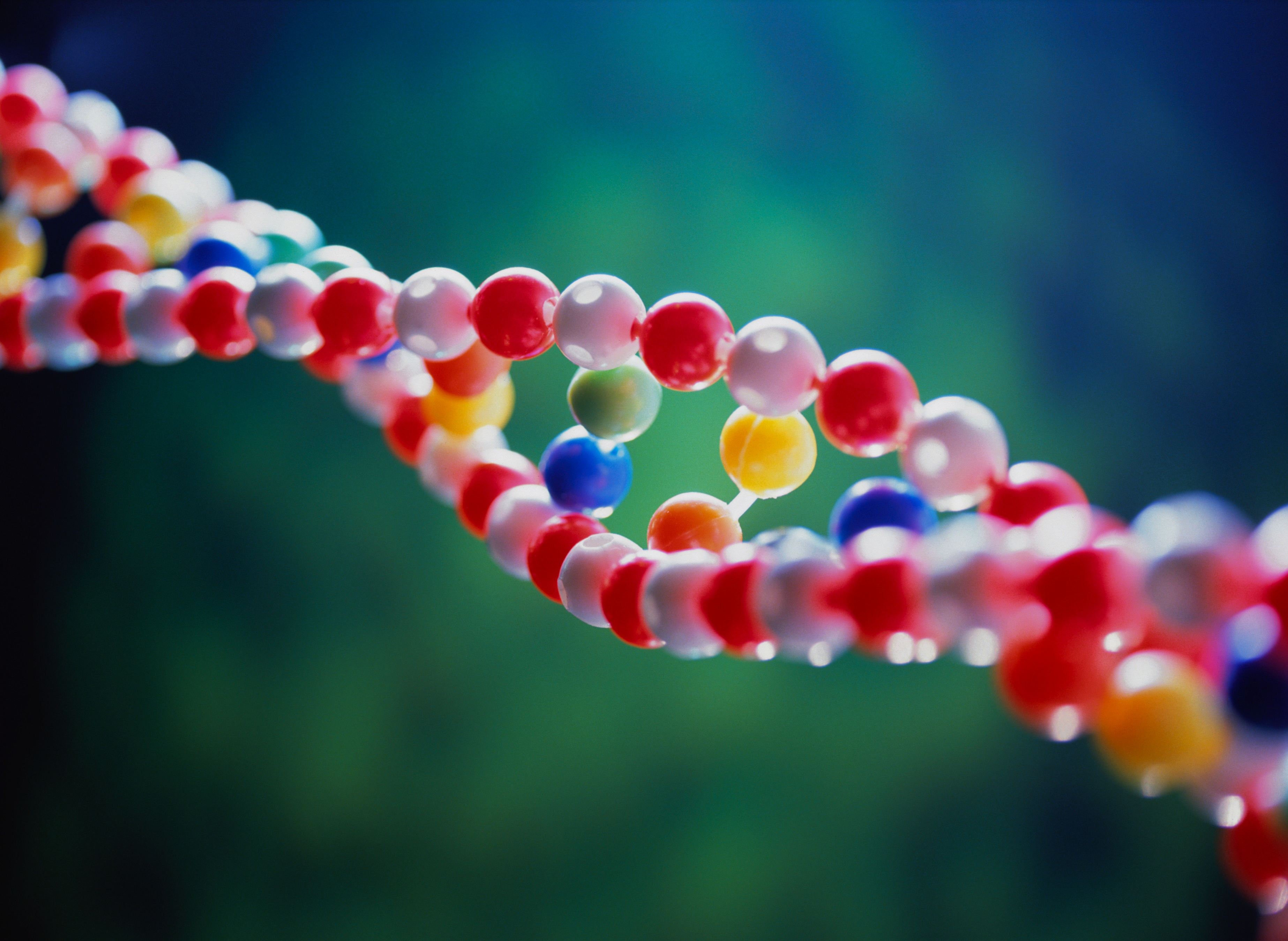

What are the nucleotides made of?
Sugar, Phosphate, nitrogen base
Phosphate, Adenine, nitrogen base
Phosphate, Nitrogen, Adenine

the most important part of the nucleotide?
base
phosphate
sugar

What determines the genetic difference between 2 organisms? (look at the word in parentheses)
the shape (structure) of the nitrogen bases
the order (sequence) of the nitrogen bases
the frequency (number) of nitrogen bases

The two strands of nitrogenous bases in DNA are joined by which type of bond?
polar bonds
hydrogen bonds

the process of making a copy of DNA
(MORE DNA)
Transcription
DNA replication
Which shows the correct complementary base pairing for REPLICATING DNA?
A-U , C-G
A-T , C-G
Replicate the following DNA
CCT
GGA
CCT
Replicate the following DNA
TAC
AUG
ATG
Replicate the following DNA
CAT
GTA
CGA
Replicate the following DNA
GTA
CAT
TAG
Which of these is the correct complementary DNA strand?
TGA - GAA
ACT - CTT
ACT - CTA
Which of these is the correct complementary DNA strand?
CAT - TAC - GAC
GTA - ATG - CTG
GTA - ATG - CCG
Which of these is the correct complementary DNA strand?
ACC - TGA - GAA
TGG - ACT - CTT
TGG - ACT - CTT
TGG - GAC - TTT
What is symbiosis?
a relationship between 2 species that live closely together
how animals consume plants and other animals
how plants make their own food
When both organisms benefit?
Mutualism
Commensalism
Predation
Parasitism
When one organism benefits and the other is harmed or hurt?
Mutualism
Commensalism
Predation
Parasitism
When one organism benefits and the other is unaffected?
Mutualism
Commensalism
Predation
Parasitism
When one organism benefits and the other is dead or consumed?
Mutualism
Commensalism
Predation
Parasitism


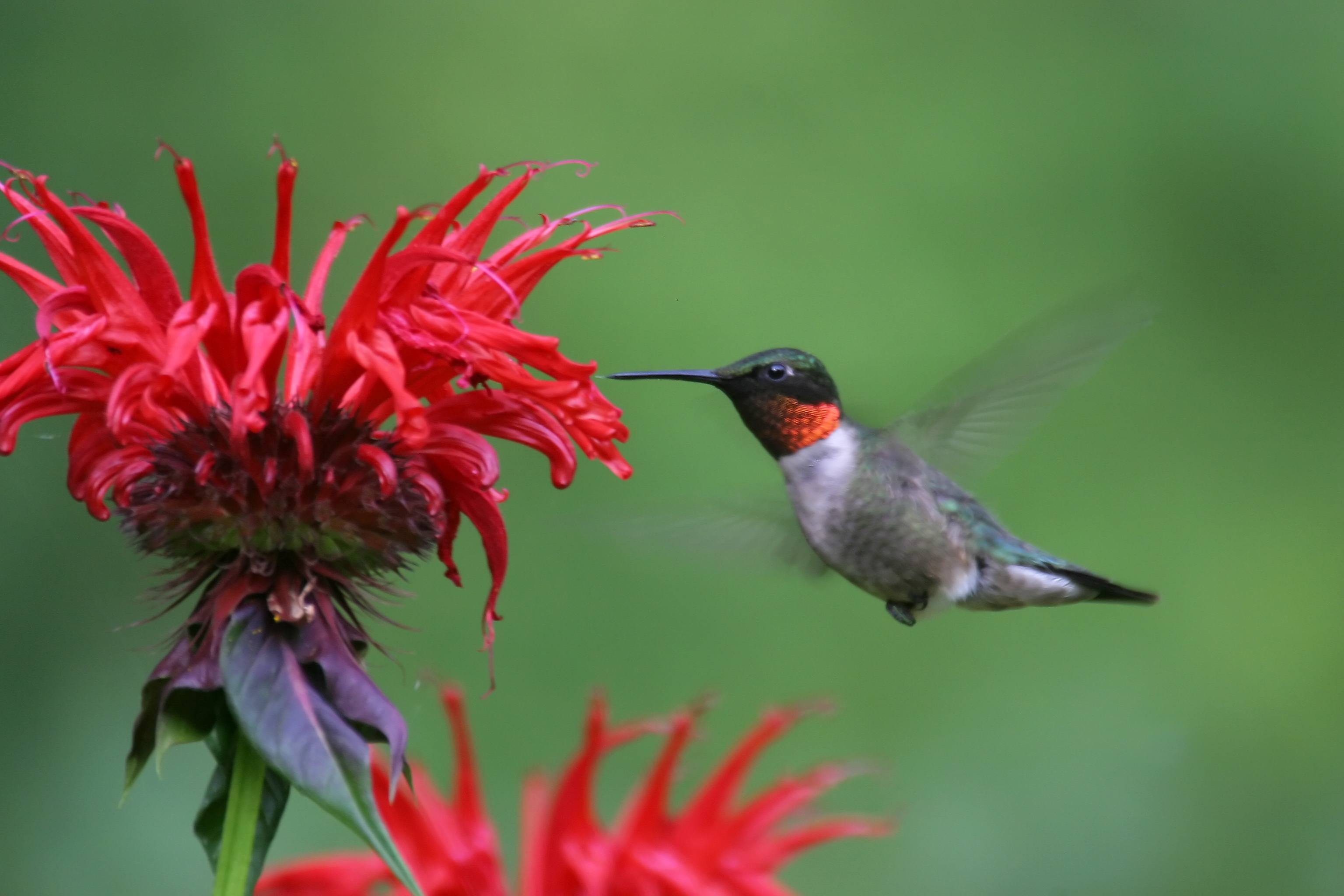
How is commensalism different from mutualism?
In commensalism, one species benefits while the other is unharmed; in mutualism, both species benefit
In commensalism, one species is harmed while the other benefits; in mutualism, both species benefit
In commensalism, neither species is harmed; in mutualism, one species is harmed
In commensalism, both species benefit; in mutualism, one species is harmed
Which would result in primary succession?
volcano destroying habitat leaving only soil and ash
Tornado destroying a crop leaving very little soil
Glacier retreating exposing bare rock
limiting factors

The final and most stable stage of succession.
primary succession
secondary succession
pioneer species
climax community

You're almost done!
Keep going!
I got this!
I don't got this.
makes pollen?
stigma
style
anther
roots
Pollinators must transfer pollen from the _____ to the ____.
anther to style
anther to stigma
stigma to anther
anther to filament
Pollen from the ___ must travel to the ___, travel down the ___, into to the ___ where it will fertilize to make a ___ or ___
anther
stigma
style
ovary
seed
fruit
stigma
anther
style
ovary
seed
fruit
filament
anther
stigma
style
ovary
seed
anther
stigma
filament
style
seed
fruit
carries water up the plant?
xylum
pholem
stomata
root
carries sugar around/down the plant?
xylum
pholem
stomata
root
anchors the plant to the ground?
stem
primary root
root hairs
leaves
What is the purpose of root hairs?
To grow leaves
To grow more seeds
To absorb water an mineral from the soil

What is the function of the stomata?
controls gas exchange
absorbs water
transfers pollen
becomes a seed or fruit
A plant's response to touch
thigmotropism
geotropism
hydrotropism
dormancy
The movements in a plant in response to light
phototropism
geotropism
hydrotropism
thigmotropism

The diagram shows a plant growing while lying on its side. What type of tropism is occurring?
phototropism
gravitropism
hydrotropism
thigmotropism
Which of the following shows the correct energy conversion for photosynthesis?
solar --> chemical
chemical --> solar
light --> energy
What is evolution?
a change in the heritable characteristic of a population over time
a change the plant life community over time
a change in the relationship between two species
Main evidence to prove evolution?
(always the answer for evolution questions)
common ancestor
common link
common energy source

Scientific name of organisms is made of which two parts?
Genus and Species
Domain and Kingdom
Why did scientist agreed to use a scientific name?
to avoid confusion
to keep everything the same

Based on the cladogram the common ancestor most likely had-
vertebral colum
ability to purr
four limbs

Which shark is the picture of?
Cow Shark
Great White Shark
Hammerhead Shark
Saw Shark

