wayground logo

Free Printable Worksheets

Font size

S
M
L
XL
Worksheets

EES Biosphere and Sustainability

Total questions: 70

Worksheet time: 1hrs 10mins

Name
Class
Date
1.

Raleigh is found in the __________ region.

a)

Coastal Plains

b)

Piedmont

c)

Mountain

2.

Christmas trees are grown in the ________ region.

a)

Coastal Plains

b)

Piedmont

c)

Mountain

3.

This region's economy depends on fishing.

a)

Coastal Plains

b)

Piedmont

c)

Mountain

4.

The purple area on the NC map is the ____________ region.

a)

Coastal Plains

b)

Piedmont

c)

Mountain

5.

The yellow area on the NC map is the __________ region.

a)

Coastal Plains

b)

Piedmont

c)

Mountain

6.

The green area on the NC map is the __________ region.

a)

Coastal Plains

b)

Piedmont

c)

Mountain

7.
Where can you find red clay?
a)
Mountains
b)
Piedmont
c)
Coastal Plains
8.

Which NC region contains the Applachians?

a)

Mountain

b)

Piedmont

c)

Coastal Plains

9.

The ____________ region has flat, high land and gently rolling hills.

a)

Coastal Plains

b)

Piedmont

c)

Mountain

10.

An area where the features of the land, the elevation, and people's habits are similar is called a ___________.

a)

Mountains

b)

Sound

c)

Region

d)

Inlet

11.
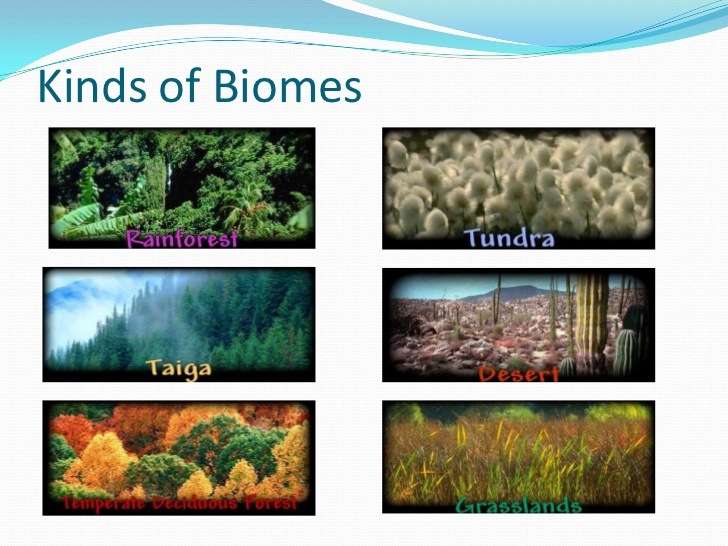
a treeless biome that has permafrost
a)
Tundra
b)
Desert
c)
Taiga
d)
Deciduous
12.
Plants in this biome are adapted to poor soil, extreme temperatures and less than 25 centimeters of rainfall per year.
a)
Tundra
b)
Taiga
c)
Desert
d)
Grasslands
13.
this biome has rich, fertile soil and much of the crop production in the U.S. is from this biome
a)
Grasslands
b)
Tundra
c)
Desert
d)
Tropical Rainforest
14.
this biome has the largest diversity (largest number of different kinds) of plant and animal species
a)
Desert
b)
Tundra
c)
Deciduous Forest
d)
Tropical Rainforest
15.
This biome gets the highest percentage of rain yearly
a)
Taiga
b)
Temperate Deciduous Forest
c)
Tropical Rainforest
d)
Grasslands
16.
Biome with many scattered shrubs, tall grasses and small trees.
a)
Savannah
b)
Grassland
c)
Desert
d)
Taiga
17.
A group of ecosystems with similar organisms and climates.
a)
desert
b)
deciduous
c)
canopy
d)
Biome
18.

Which two are the main factors that separate the biosphere into biomes?

a)

Land

b)

Water

c)

Climate

d)

Latitude

19.

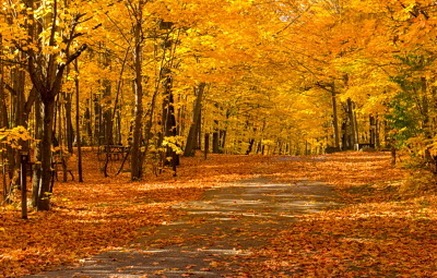
Which biome has deciduous trees (trees that lose their leaves)?

a)

Temperate Forest

b)

Rainforest

c)

Grasslands

d)

Taiga

20.
Which biome has the most variety of plants and animals?
a)
Temperate Forest
b)
Rainforest
c)
Tundra
d)
Grasslands
21.

Which land biome do we live in?

a)

Grassland

b)

Tundra

c)

Deciduous Forest

d)

Taiga

22.

Biodiversity, aka biological diversity, usually refers to

a)

the same species in a general location

b)

the number of different species in a given area

c)

the number of animal species in a given area

d)

the number of plant species in a given area

23.

A species that is likely to become extinct if protective measures are not taken immediately is known as

a)

threatened species

b)

endemic species

c)

keystone species

d)

endangered species

24.

A population is

a)

a group of similar species in different areas

b)

a group of the same species in the same geographic area.

c)

a group of several species in the same geographic area

d)

a group of several species along with their abiotic factors in a small area.

25.

A community is

a)

Several different populations scattered across several states.

b)

Several different organisms in the same geographic area

c)

One type of organism in the same geographic area

d)

Several different populations in the same geographic area

26.
When there is higher biodiversity
a)
more organisms are likely to die because they can't adapt to environmental changes.
b)
there is less diversity.
c)
there is more diversity and higher sustainability of life.
d)
there is more diversity and lower sustainability of life
27.
How do biodiversity and sustainability work together?
a)
The lower the biodiversity the greater the sustainability.
b)
The higher the biodiversity, the less sustainable the ecosystem
c)
The higher the biodiversity, the greater the sustainability.
d)
Biodiversity has nothing to do with sustainability.
28.
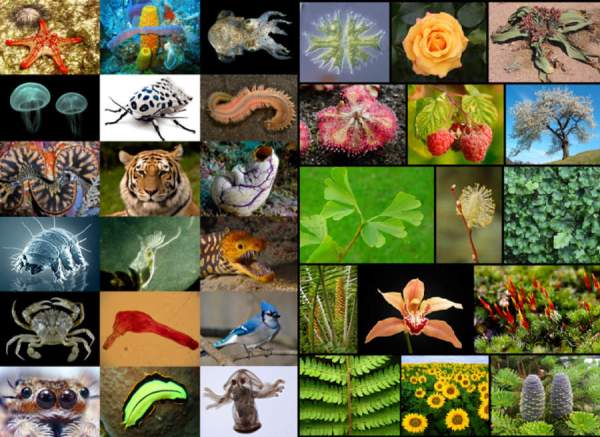
This picture is a great example of ____________ biodiversity.
a)
high
b)
moderate
c)
low
d)
hhhmmmm there is no way to know without counting.
29.
This picture is a great example of ____________ biodiversity.
a)
high
b)
moderate
c)
low
d)
hhhmmmm there is no way to know without counting.
30.
Different biomes support different varieties of organisms.  Think of a desert biome.  In this environment you will see organisms that have adapted to the heat and low availability of water, such as a cacti, mouse or rattle snake.  In which biome would you find an animal that has padding on its feet, white fur?
a)
Desert
b)
Tundra
c)
Forest 
d)
Savannah
31.

Which of the following forms of biodiversity describes all of the different types of biotic factors in an ecosystem?

a)

Species

b)

Habitat

c)

Genetic

d)

None of the Above

32.

Which of the following forms of biodiversity describes the differences between individuals within the same species?

a)

Species

b)

Habitat

c)

Genetic

d)

None of the Above

33.

In general, as you move from the equator to the poles, what happens to biodiversity>

a)

Increases

b)

Decreases

c)

Remains the same

34.

Why is biodiversity in an ecosystem so important?

a)

Because it can help humans where to determine good places to develop farm land.

b)

Because places that have a healthy biodiversity are unaffected by major disturbances.

c)

Because having a high biodiversity allows ecosystems to withstand major changes.

d)

Because having a high biodiversity allows for fewer opportunities of competition for similar resources.

35.

Great Biodiversity = Great Sustainability

a)

True

b)

False

36.
What is a consequence of negative human interactions with the environment?
a)
degradation of soils
b)
destruction of animal habitats
c)
depleted population of certain fish
d)
all of the above
37.
Which of the following examples best describes an abiotic factor that could impact biodiversity in an ecosystem?
a)
 An increase in prey can impact the number of predators in an ecosystem
b)
The competition for food can impact survival rates between members of the same species in an ecosystem
c)
 The increase in the amount of acid rain in an ecosystem can change the pH of the soil
d)
 The introduction of an invasive species can change available resources in an ecosystem
38.
What is a second way you could save energy?
a)
Charge your phone as much as you can
b)
Always turn off the lights when you leave you house
c)
Always keep your computer or other electronics on
d)
Buy lots of things on line
39.
How does global warming affect polar bears?
a)
It could drive polar bears to warmer climates
b)
It could cause wildfires in polar bears' habitats
c)
It could cause severe weather patterns in the Arctic
d)
It could melt the sea ice which would impact their food supply
40.

Two farmers decide to plant fewer types of corn in their fields. How will changing the biodiversity of the corn crop affect the fields?

a)

Predator species that eat corn will lose their food source.

b)

Planting fewer types of corn will add more nutrients to the soil.

c)

The introduction of invasive plant pathogens will increase the crop yield.

d)

Planting fewer types of corn will make the corn more vulnerable to plant pathogens.

41.

Nonnative flathead catfish that prey on smaller fish were accidentally introduced into the Yadkin River in North Carolina. What is the MOST likely effect these catfish could have on the ecology of the Yadkin River?

a)

They could increase pollution in the water.

b)

They could damage streambeds and shoreline.

c)

They could decrease water flow in the river.

d)

They could reduce native fish populations.

42.

Kudzu is an example of what?

a)

Pioneer species

b)

Invasive species

c)

Chloroflurocarbons

d)

All of the above

43.

Choose all the answers below that are negative effects of non-sustainable aquaculture. (There are 2)

a)

Diseases that break out among fish.

b)

Escaped fish becoming an invasive species.

c)

Overfishing in areas with few fish farms.

d)

Fish being eaten by predators.

44.

Select all the benefits of crop rotation. (There are 2)

a)

Replenishes soil nutrients.

b)

Allows the land to be used for a long time.

c)

Keeps bugs and animals from getting to the crops.

d)

Have to re-plant a new layout each year.

45.

Select all the benefits of intercropping. (There are 3)

a)

Able to use planting space efficently.

b)

Able to grow a variety of crops.

c)

No need to rotate crops because the soil will already be fertilized.

d)

Keeps bugs and animals off the crops.

46.

Industrial agriculture maximizes production and profits by using excessive amounts of chemicals pesticides, herbicides and hormones.

a)

True

b)

False

47.

__________ farmers protect the environment by managing their farms in a responsible manner, respecting the earth

a)

Sustainable

b)

Industrial

48.

_________ agriculture causes massive topsoil erosion and aquifer depletion

a)

Sustainable

b)

Industrial

49.

Which farming practice is better for the environment?

a)

Sustainable

b)

Industrial

50.

Monoculture crop systems means...

a)

One crop is grown

b)

Many crops are grown

51.

the simple planting of seed starts a chain of events that help the farmer, community, and eventually the world

a)

market

b)

population density

c)

ripple effect

d)

riparian area

52.
Which of the following is NOT an alternative energy source?
a)
fossil fuels
b)
geothermal energy
c)
hydroelectric energy
d)
wind energy
53.
Based on the data collected, which source of alternative energy is most efficient?
a)
Coal
b)
Wind
c)
Natural gas
d)
Solar
54.
Biofuel is...
a)
 Energy that comes from harnessing the movement of the air
b)
Energy that comes from the Sun
c)
A source of renewable energy, such as solar, wind, or geothermal energy
d)
Fuel from plant material
55.
Solar Energy is... 
a)
Energy that comes from harnessing the movement of the air
b)
Energy that comes from the Sun
c)
A source of renewable energy, such as solar, wind, or geothermal energy
d)
Fuel from plant material
56.
Hot water is pumped up from deep inside Earth and is used to heat homes or to generate electricity. This describes...
a)
biofuels
b)
hydroelectric energy
c)
geothermal energy
57.
Why are not American's roofs crammed with more solar panels? 
a)
They are ugly.
b)
They are uninformed.
c)
Expensive start-up cost
d)
People enjoy paying bills. 
58.
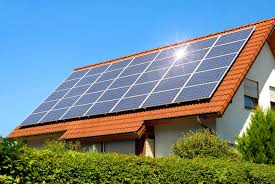
This Picture Represents Which Type of Alternative Energy?
a)
Wind
b)
Solar
c)
Hydroelectric
d)
Geothermal
59.
All of the following are considered alternative energy sources EXCEPT –
a)
Wind
b)
Coal
c)
Biofuel
d)
Solar
60.
Which list shows only non renewable energy source?
a)
Petroleum,oil, natural gas , coal
b)
corn, solar, wind
c)
geothermal, oil, gas
61.
What type of growth model is this?
a)
exponential growth model
b)
logistic growth model
c)
Type I curve
d)
Type III curve
62.
An environmental factor such as predation, disease, and competition that depends on the number of members in a population per unit
a)
dispersion
b)
density- independent factor
c)
density- dependent factor
d)
population growth rate
63.
The largest number of individuals in a species that an environment can support long term
a)
carrying capacity
b)
emigration
c)
immigration
d)
population density
64.
An environmental factor such as storms and extreme heat or cold that affects population regardless of their density
a)
density- dependent factor
b)
population density
c)
dispersion
d)
density- independent factor
65.
Biotic or abiotic things that control the size of a population
a)
Limiting factor
b)
density- dependent factor
c)
density- independent factot
d)
tolerance
66.
If a population grows larger than its environmental carrying capacity, then
a)
death rate may rise.
b)
death rate may fall significantly.
c)
birth rate may rise significantly.
d)
immigration rate may increase.
67.
The carrying capacity of an environment for a particular species at a particular time is determined by the
a)
number of individuals in the species.
b)
distribution of the population.
c)
reproductive potential of the species.
d)
supply of the most limited resources
68.
Which of the following is likely to be affected by a population of 7 billion?
a)
amount of land for agriculture
b)
amount of clean water
c)
number of people who are unemployed
d)
all of the above
69.

s curve- The population reaches carrying capacity and levels out.

a)

exponential growth

b)

growth rate

c)

bioaccumulation

d)

logistic growth

70.

A population's growth rate is equivalent to

a)

birth rate + death rate

b)

birth rate - death rate

c)

current population - death rate

d)

current population + birth rate